Preparing a generator before storm season is not something to rush through. Start by checking the basics: startup performance, oil, filters, battery condition, and visible wear. Your goal is simple. The unit needs to be ready before the lights go out. Fuel should be stored safely, ventilation needs to be handled correctly, and carbon monoxide and fire risks should be taken seriously. It is also smart to have the generator professionally installed and grounded, keep the transfer switch area clear, and store manuals, spare parts, and service notes where you can find them fast during an outage.
Assessing generator capacity and fuel needs
Begin by making a list of the circuits and appliances you truly need during an outage. Then write down both the running watts and the startup watts for each one. A refrigerator may use about 600 to 800 watts while running, but it can need 1,200 to 2,000 watts when it first starts. A 3-ton air conditioner can surge into the 3,000 to 5,000 watt range. A sump pump may need 800 to 1,500 watts just to kick on. Add those numbers carefully, then choose a generator with roughly 20% to 30% more capacity than your highest starting load. Many portable units fall between 3,000 and 7,500 watts, while whole-home standby generators often range from 10,000 to 22,000 watts. Fuel use matters too. A 5 kW generator may burn around 0.5 to 1 gallon per hour at partial load, so plan your fuel supply around realistic runtime.
Selecting the right generator type and sizing the electrical load
Your best option depends on what you need to power, how much noise you can tolerate, and how automatic you want the system to be. Inverter generators, often between 1,000 and 4,000 watts, are a good fit for smaller loads and sensitive electronics. Conventional portable generators, usually around 3,000 to 8,500 watts, are more flexible and budget-friendly. Standby systems, which can range from 7,000 to 22,000 watts, turn on automatically and can support much larger household loads. Go circuit by circuit. Total the running watts, add the starting demand for appliances with motors or compressors, and size the generator to handle the higher surge number with about 25% to 30% extra capacity.
Choosing fuel type and planning safe storage
Gasoline, diesel, propane, and natural gas each come with tradeoffs. Gasoline is easy to find and works well for portable units, but it breaks down faster than other fuels. Diesel generally stores longer, although moisture can lead to microbial growth inside tanks. Propane can remain stable for a very long time when stored in sealed tanks. Natural gas is convenient because it can provide a continuous supply, but only if utility service stays active during the storm. Store fuel only in approved containers, keep it outdoors in a well-ventilated area, and never place gasoline inside living spaces. Use stabilizers and a rotation schedule so your fuel is still usable when you need it.
Gasoline should usually be treated if it will sit for more than a short period. Use an EPA-approved stabilizer and rotate your supply every 6 to 12 months, unless the stabilizer label allows longer storage. Diesel should be kept in clean, sealed tanks and treated with biocide and stabilizer to reduce bacterial growth and water-related problems. A sediment and water filter should also be used before the fuel reaches the generator. Propane cylinders and ASME tanks can hold fuel almost indefinitely when maintained correctly, but regulators, valves, and hoses should be inspected at least once a year. If your standby system depends on natural gas, ask your utility how resilient the gas supply is during major storms and have a backup plan in case service is interrupted. No matter which fuel you use, label containers, keep them away from sparks and heat, use approved funnels or pumps, and follow local fire-code limits for how much fuel you can store on-site.
Inspection and maintenance checklist
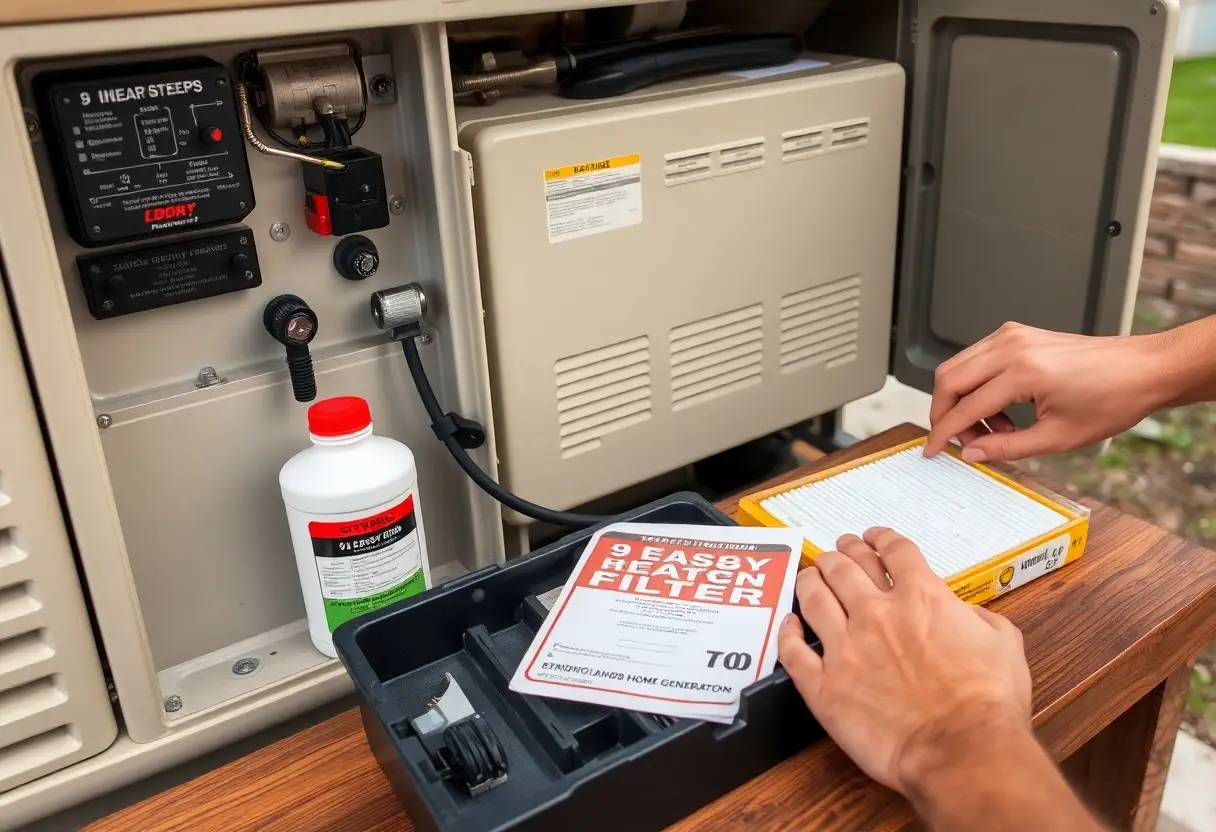
Look over fuel lines, the battery, mounting points, exhaust components, and the transfer switch. Check for leaks, corrosion, loose hardware, and damaged wiring. Verify the oil level, inspect coolant concentration when applicable, and confirm that the battery has a resting voltage of at least 12.6 volts. A monthly 30-minute run under load can help reveal problems before a real outage. Keep a simple log with dates, run hours, service notes, and anything unusual you notice. Oil may need to be changed every 100 to 200 hours or once a year. Air filters often need service around 500 hours, and belts may need replacement every 3 to 5 years. Never service a hot generator, and always isolate fuel and electrical sources before working on the unit.
Pre-season visual and mechanical inspection
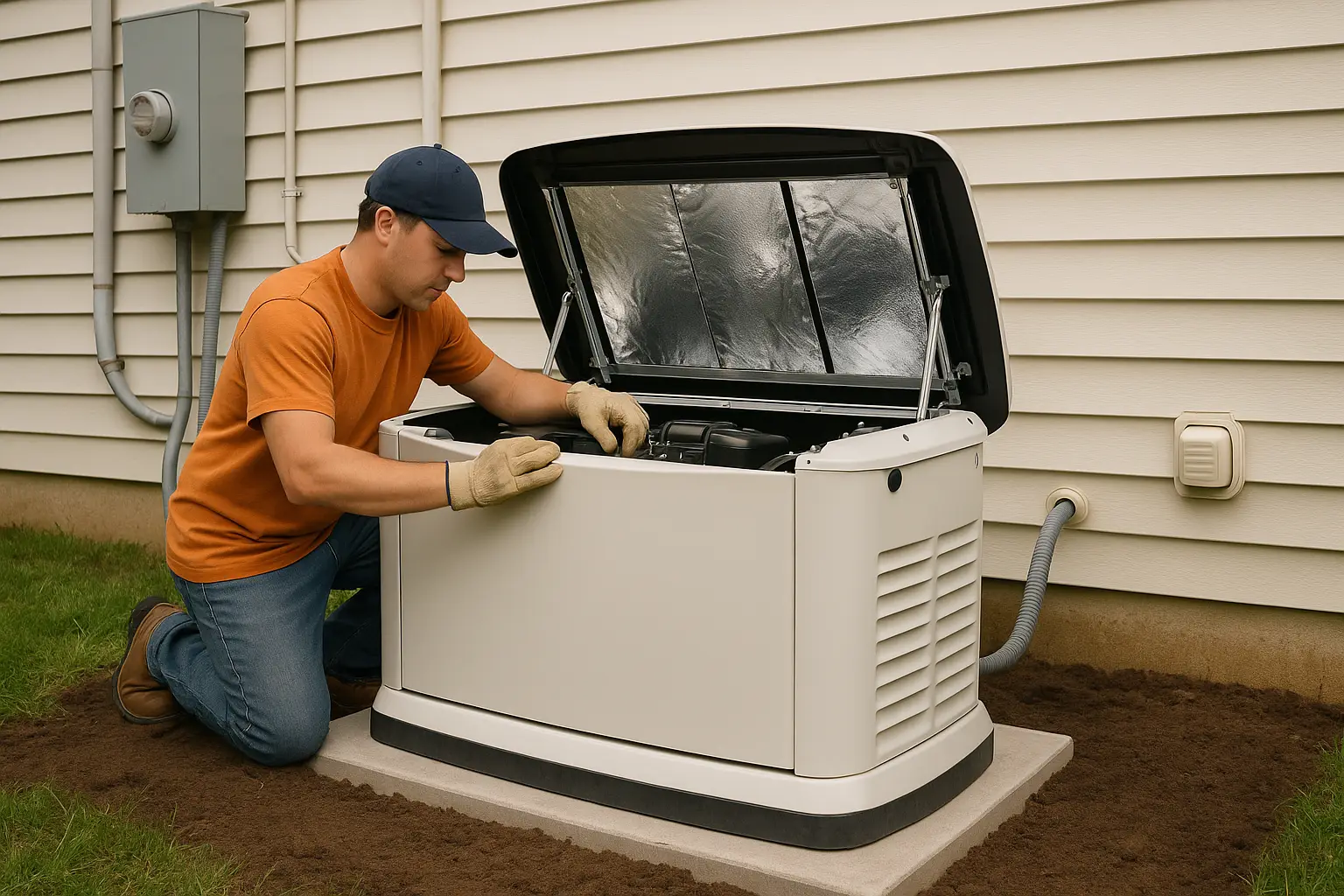
Walk around the unit and look for leaves, debris, rodent nests, standing water, and storm-related damage. Check hoses, clamps, and fuel fittings for cracking, seepage, or soft spots. Battery terminals and electrical lugs should be tightened to manufacturer specifications, and any frayed or brittle wiring should be addressed before the season starts. Test the transfer switch by simulating a utility outage, then confirm that the generator starts, transfers power safely, and returns to utility power correctly. If you notice soot around the exhaust, repeated low-oil pressure alerts, or hard starting, schedule professional diagnostics before severe weather arrives.
Routine servicing, parts replacement, and spares
Follow a regular service schedule instead of waiting for something to fail. Change the oil every 100 to 200 hours or once per year. Replace fuel filters every 200 to 300 hours. Swap air filters around 500 hours, and replace spark plugs every 100 to 200 hours when required by the manufacturer. Keep OEM part numbers in your records so you are not searching for the right parts during a storm. A small spares kit can save a lot of stress. Keep extra oil, one oil filter, two fuel filters, a belt, fuses, and spark plugs on hand so a minor issue does not turn into a long outage.
Build a labeled emergency maintenance kit. Include the correct oil grade, one OEM oil filter, two fuel filters, one spare belt, spare fuses, two spark plugs, a multimeter, a socket set, and a battery charger. Test the battery with a load tester and replace it if capacity drops below 70% of its rated cold-cranking amps. Treat stored fuel with stabilizer, and remember that treated fuel life depends on the product used and storage conditions. Store spare parts in dry, sealed bins, then rotate items after each use so the kit stays complete.
Safe installation and siting
Place the generator on a level, well-drained pad outside flood-prone areas whenever possible. In locations where water is a concern, the pad should often sit 12 to 18 inches above grade. Follow manufacturer clearance requirements and local building codes, including permits and inspections. A licensed installer should handle permanent systems, grounding, transfer equipment, and fuel routing. Poor placement can create serious risks, including carbon monoxide exposure, fire hazards, flooding damage, and overheating. Location matters just as much as the generator itself.
Proper outdoor placement, ventilation, and exhaust routing
Portable generators should only run outdoors and should be kept at least 20 feet from doors, windows, vents, and other openings. Standby generator exhaust must be routed according to manufacturer instructions and local code. Exhaust outlets should always point away from occupied spaces. Maintain required clearances around air intakes and service areas. Three feet is common, but the exact clearance depends on the unit. Do not place a generator under eaves, in garages, in crawlspaces, or in partially enclosed areas. Carbon monoxide buildup is one of the biggest dangers, and it must be avoided completely.
Mounting, anchoring, and weatherproofing
A permanent generator should sit on a reinforced concrete pad sized for the base of the unit. Many pads are 4 to 6 inches thick and rated at 3,000 psi or higher, but the manufacturer’s specs should guide the final design. Stainless anchor bolts and vibration isolators help reduce movement, noise, and mechanical stress. In high-wind or seismic regions, engineered anchors or straps may be required. Outdoor enclosures should be properly rated, such as NEMA 3R or 4X, and all wall or slab penetrations should be sealed with weather-resistant materials to keep water out.
Use stainless or hot-dipped galvanized anchors, commonly 1/2 inch to 3/4 inch in diameter, and tighten them to the manufacturer’s torque specs. Anchors should be installed into cured concrete, typically after 24 to 48 hours or as recommended. Confirm the pad is level before final tightening, while still allowing a slight slope for drainage. Electrical and fuel connections should be protected with weatherproof conduit, fittings, and sealant. Inspect seals at least once a year. Good mounting and corrosion control can extend equipment life and help prevent fuel leaks, electrical shorts, and structural damage.
Electrical connections and transfer options
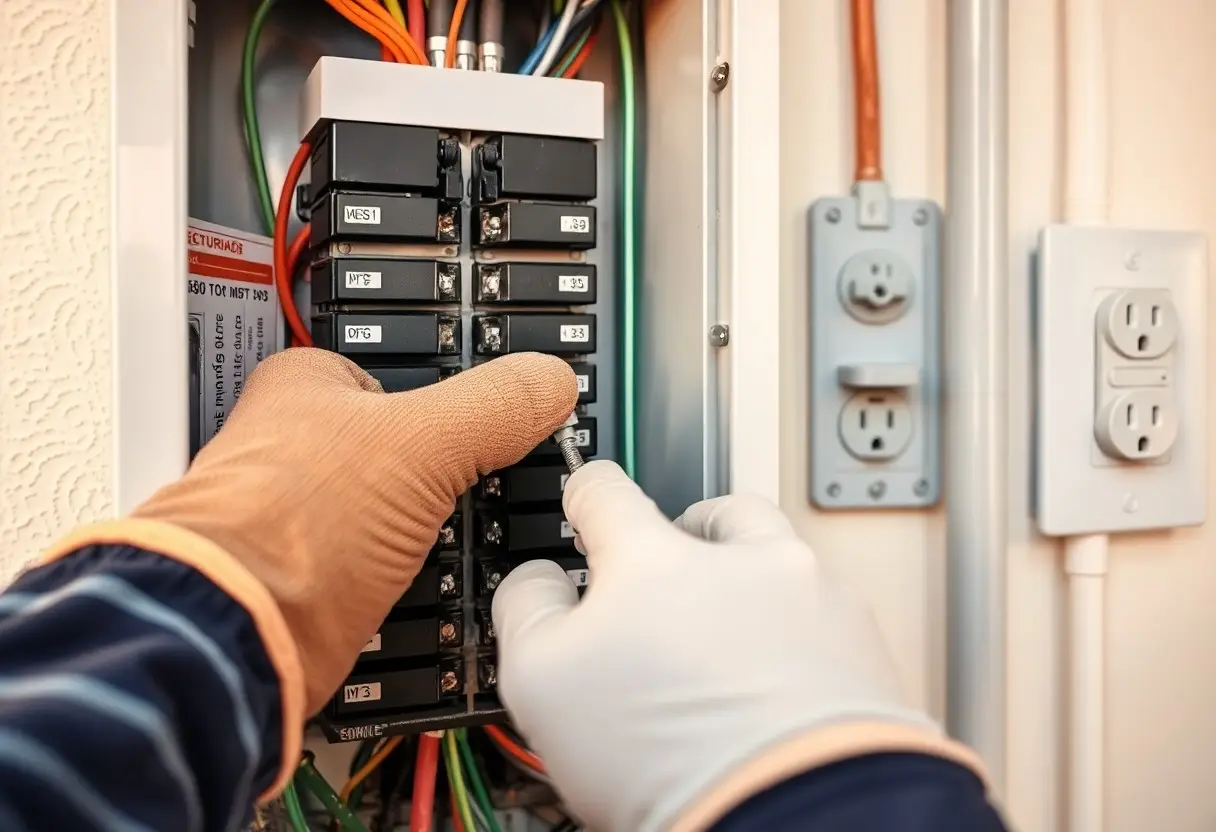
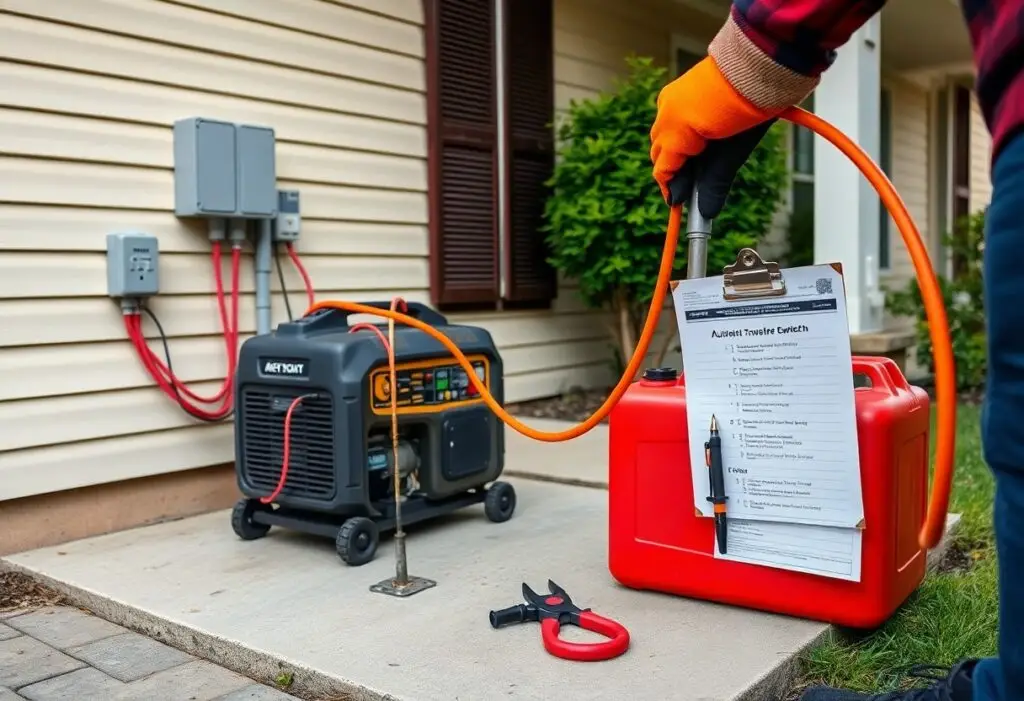
When connecting a generator to a home, you need a safe transfer method. Options include a dedicated inlet with an interlock kit, a manual transfer switch, or a permanent standby setup with an automatic transfer switch. Portable generator inlets are often 30 amps with 10 AWG wire or 50 amps with 6 AWG wire. Whole-home standby systems commonly use 100-amp to 200-amp transfer equipment. A proper transfer device prevents backfeeding power onto utility lines, which can seriously injure or kill line workers and may violate electrical code.
Manual transfer procedures and circuit prioritization
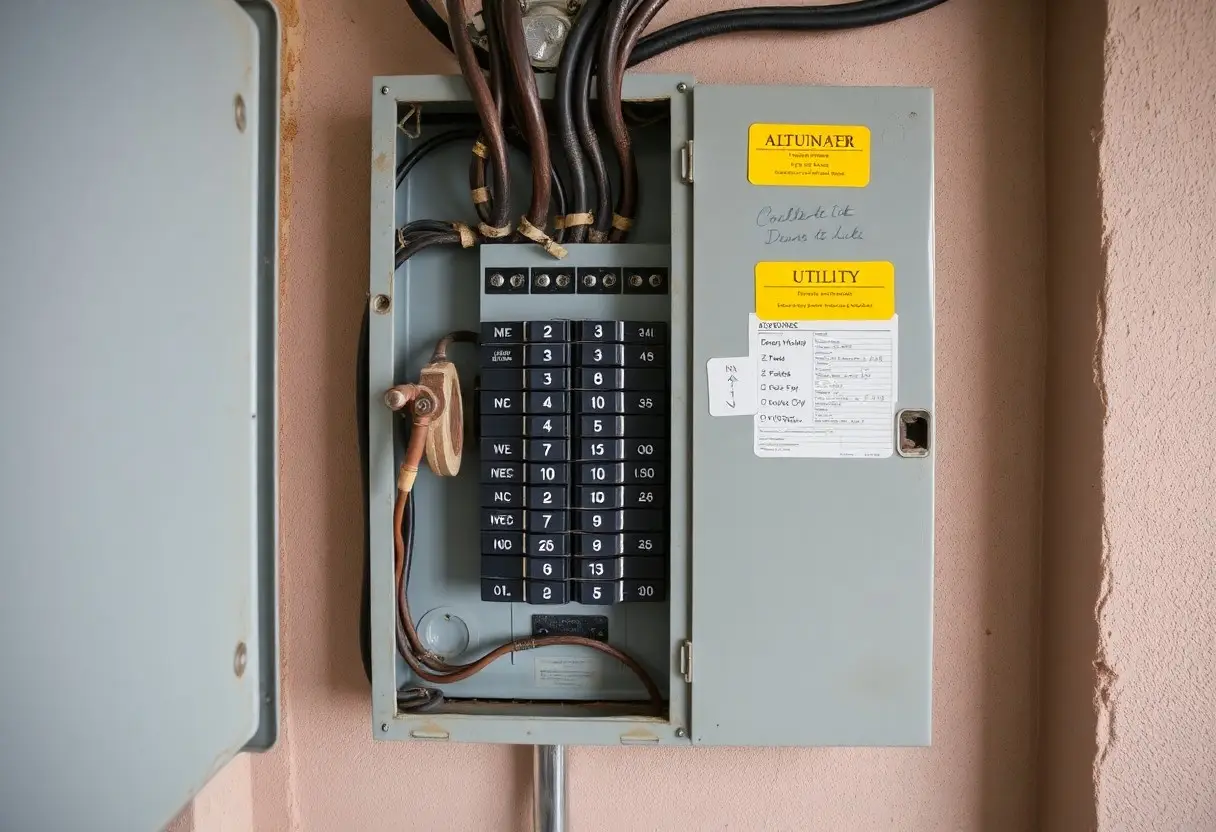
Before using a manual transfer setup, shut off the main breaker and identify the circuits you need most. Common priority loads include the refrigerator, sump pump, well pump, lighting, and a few outlets for charging devices. A refrigerator may surge around 700 to 1,200 watts, while a pump may need 1,000 to 2,000 watts to start. Start the generator first, let it stabilize, then energize important circuits one at a time. This helps prevent overloads. Use an approved interlock kit or manual transfer switch so utility power and generator power remain safely isolated. Keep a breaker-load chart nearby so no one exceeds the generator’s rated output.
Automatic transfer switches and when to call a professional
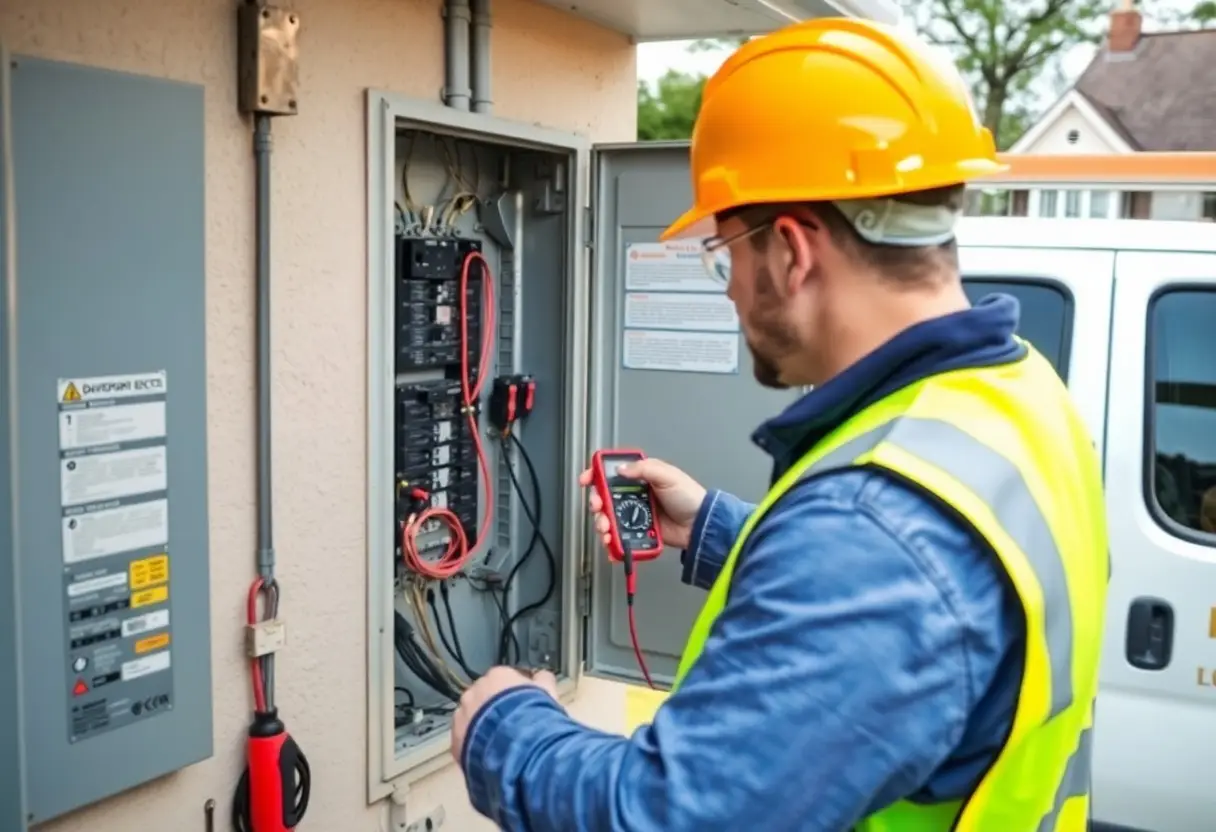
An automatic transfer switch senses a power outage and moves the home to generator power, often within 5 to 30 seconds. This is especially useful for sump pumps, refrigeration, HVAC, and homes where fast backup power matters. ATS units can be rated from 30 amps up to 200 amps and are commonly paired with standby generators in the 7 kW to 22 kW range. Hire a licensed electrician for whole-home coverage, service upgrades, larger generator installations, or any setup that requires bonding, metering, permits, or code-specific wiring.
Installation details are critical. An ATS may need to connect at the meter/main, handle neutral switching correctly, and, in some closed-transition systems, synchronize generator and utility power to avoid equipment trips. The hardware alone can range from a few hundred dollars to several thousand dollars, and professional installation can vary widely depending on site conditions. Full standby systems with site prep, transfer equipment, and electrical work often cost much more. A qualified installer helps ensure proper load calculations, safe grounding, correct bonding, and code compliance.
Fuel handling, storage, and safety practices
Fuel should be handled with care every time. Use approved, clearly labeled containers and store them outside living spaces in a ventilated shed or detached garage. Keep different fuel types separated and away from exhaust, heat, flames, and electrical equipment. Untreated gasoline may only last 3 to 6 months, while diesel often holds for 6 to 12 months under good conditions. Propane is far more stable for long-term storage. Follow manufacturer rules and local limits for on-site fuel storage, and get system-specific guidance from Blackhawk Electric & Generators Inc. when needed.
Safe refueling, storage containers, and spill prevention
Always shut the generator off before refueling and let it cool for at least 15 minutes. Refuel outdoors using a grounded pump or funnel and UL-approved containers. Do not overfill the tank. Fuel expands, and spills create serious fire and vapor risks. Keep a Class B fire extinguisher close by, store containers off the floor when possible, and keep fuel away from direct heat. Absorbent pads and a small spill kit should be nearby so you can clean leaks quickly and safely.
Fuel stabilizers, rotation schedule, and cold-weather care
Use stabilizers at the dosage listed on the label. Some products can extend gasoline storage life to 12 to 24 months, depending on conditions. Diesel should be treated with biocide and anti-gel additives when needed, especially before cold weather. Run the generator under load for 20 to 30 minutes each month to circulate fuel, warm the engine, and exercise the system. In colder climates, use winterized diesel or anti-gel treatment when temperatures drop near or below 20°F. Tank heaters, block heaters, and insulated enclosures can also help prevent hard starts and fuel gelling.
Many gasoline stabilizers use a dose around 1 ounce per 2.5 gallons, though the product label should always control. Diesel fuel should be checked every 6 months and treated if water or microbial contamination appears. Label every container with the fill date, rotate old fuel, and replace untreated gasoline that has been sitting too long. A simple rotation plan can prevent stale fuel from becoming the reason your generator fails during an outage.
Testing, drills, and emergency preparedness
A generator should be tested before there is an emergency. Run it weekly for 10 to 15 minutes to keep the battery charged and fuel moving. Then perform a longer load test monthly or quarterly for 30 to 60 minutes at around 50% to 75% of rated capacity. During these tests, watch oil pressure, temperature, voltage, and fuel use. Always run the generator outdoors on a level surface, far from openings, and never run it inside a garage or enclosed space. Keep a written log with the date, runtime, load level, and any faults or odd noises.
Regular run tests and load testing
Short weekly starts help keep the system ready, but they are not enough by themselves. A controlled load test is what shows whether the generator can actually support the circuits you plan to use. Test monthly or after about every 100 hours of use. You can use large appliances or a load bank to bring the generator to half or three-quarters capacity. Check oil pressure and temperature during the first 10 minutes. Verify voltage stability at outlets and note fuel consumption. A 7 kW generator, for example, may use around 0.5 to 1 gallon per hour at medium load. Never backfeed the grid. Use a proper transfer switch every time.
Family and household drills, documentation, and supplier contacts
Run a household outage drill twice a year. Pretend the power will be out for 72 hours and assign clear roles. One person can handle startup, another can monitor fuel, and another can contact suppliers or check on important devices. Keep a printed binder and a cloud backup with the generator model, serial number, warranty, maintenance log, electrician contact, fuel vendors, permits, and receipts. Store spare parts, filters, and battery information in the same system. Practice manual transfer steps and load shedding so your household knows which circuits come first: refrigeration, lighting, sump pump, medical devices, and a few essential outlets.
A practical drill should follow a checklist. Confirm fuel and oil levels. Start the unit. Switch critical circuits on one at a time. Log voltage, runtime, and any unusual behavior. Shut everything down properly and write down anything that needs attention. Keep supplier phone numbers in your binder and on your phone. Rotate gasoline every 3 to 6 months unless it has been properly stabilized. During real use, refuel only when the generator is off and cool, keep fuel away from structures, and have an ABC fire extinguisher within reach.
Summing up
A storm-ready generator depends on more than simply owning the equipment. Reliable backup power comes from proper siting, safe fuel management, regular service, load testing, transfer-switch safety, weather protection, and emergency supplies. When those pieces are handled before storm season, you reduce downtime, lower safety risks, protect your home, and extend the life of the generator. Schedule inspections, follow the manufacturer’s guidance, and make sure everyone in the household knows the basic safety steps before the next outage happens.