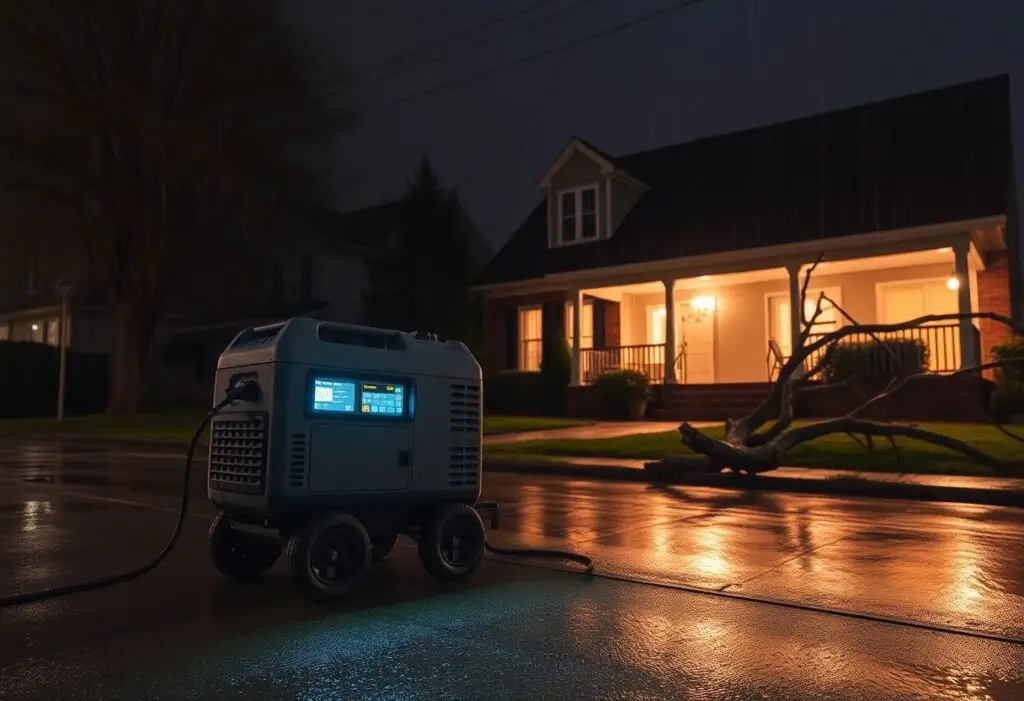
Over stormy nights, you rely on backup generators to prevent dangerous power outages, keep life-saving medical equipment running, maintain heat and refrigeration, and reduce risk to property by powering sump pumps and security systems, providing continuous protection for your family and home.
Key Takeaways:
- Backup generators supply continuous power during outages to keep lights, refrigerators, sump pumps, and medical equipment operating.
- Automatic transfer switches detect outages and start the generator within seconds to prevent damage from power interruptions and food spoilage.
- Proper sizing, fuel storage, and professional installation reduce fire risk, maintain safe indoor air quality, and ensure reliable operation throughout a storm.
Assessing Generator Technologies for Storm Resilience
You should evaluate generator reliability, runtime, and installation needs so your home keeps power during storms. Prioritize automatic start and an automatic transfer switch, and assess fuel availability and carbon monoxide risks to ensure safe, continuous operation when outages last.
Permanent Standby Systems vs. Portable Units
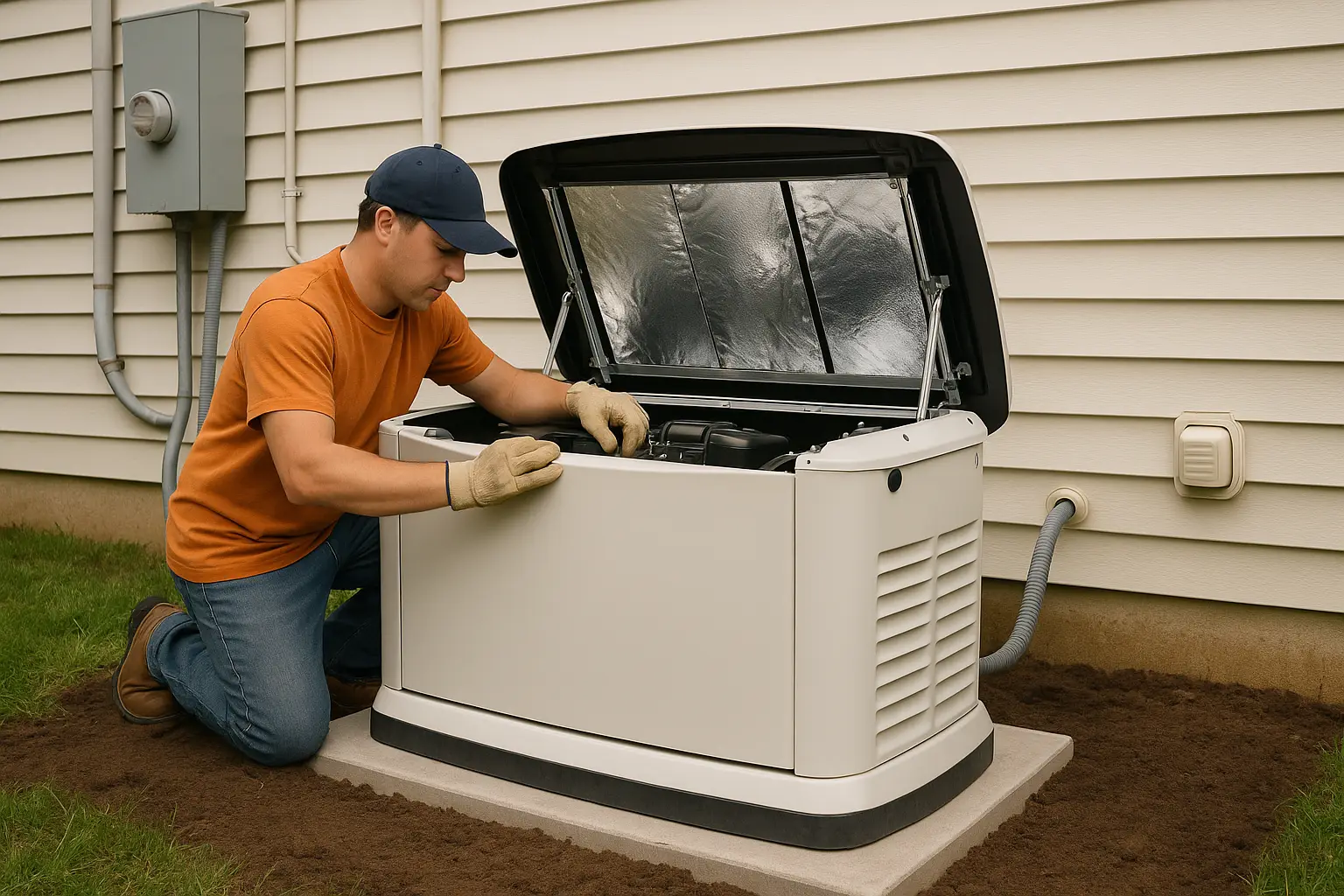
Compare permanent standby systems, which auto-start and power your whole house, with portable units you must move and connect manually. You should weigh installation cost against capacity; watch for backfeed hazards and carbon monoxide with portables, while standbys offer hands-off protection during long outages.
Evaluating Fuel Sources: Natural Gas, Propane, and Gasoline
Evaluate fuel types: natural gas often supplies continuous power if lines remain intact, propane stores long-term fuel safely on-site, and gasoline gives short-term portability but poses fire and carbon monoxide risks and needs careful storage.
Consider how runtime, refueling access, and storage limits affect your choice: natural gas reduces refueling needs, propane offers stable storage but requires tank capacity planning, and gasoline demands frequent refills and brings increased fire and spill hazards you must mitigate.
Maintaining Critical Home Infrastructure
Keeping your vital systems online during outages protects appliances, prevents pipes from freezing, and maintains safety. A backup generator keeps power to alarms, well pumps, and refrigeration so you can avoid costly repairs and health hazards. Ensure proper sizing and fuel storage to support sustained operation.
Preventing HVAC Failure and Pipe Damage in Extreme Weather
You can run your HVAC fans and heaters during outages to prevent frozen pipes and indoor temperature swings. A generator helps maintain consistent heat or cooling so you avoid busted pipes and expensive repairs when storms hit.
Powering Sump Pumps to Prevent Basement Flooding
Powering your sump pump prevents your basement from filling, protecting your foundation and belongings. Generators keep pumps running through prolonged storms, reducing the risk of major water damage and mold growth.
Ensure your generator has enough wattage and an automatic transfer switch so your sump pump starts instantly during outages. You should test the pump under load, keep the battery backup maintained if present, and clear discharge lines. Continuous power prevents catastrophic basement flooding, protects structural elements, and limits mold and long-term moisture damage.
Safety and Continuity for Household Residents
Ensuring Uninterrupted Power for Essential Medical Equipment
Medical devices like oxygen concentrators and CPAPs need continuous power; you should keep your backup generator ready to prevent life-threatening interruptions.
Maintaining Security Systems and Exterior Lighting
Security cameras, alarms, and lights deter theft and accidents during outages; you rely on a backup generator to keep them active and protect your property.
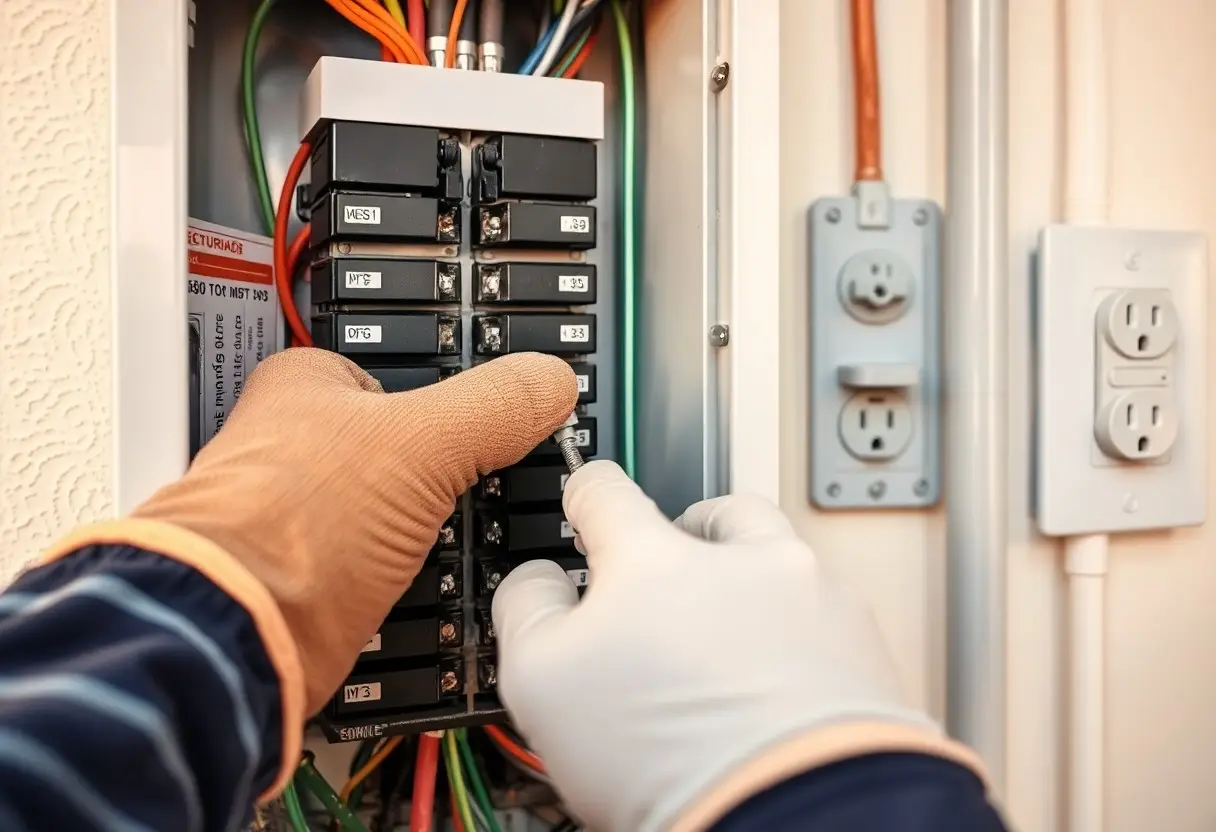
You can prioritize security circuits with a manual or automatic transfer switch so lights, cameras, and smart locks stay powered while nonnecessary loads are off; this reduces fuel use and extends runtime. Keep the generator ventilated, test monthly, and have a licensed installer wire it to avoid backfeed hazards and carbon monoxide risk while ensuring continuous surveillance.
Food Safety and Economic Loss Mitigation
Power outages during storms threaten your perishable supplies and wallet; a backup generator keeps your fridge and freezer at safe temperatures, so you avoid food spoilage and economic loss from discarded groceries and spoiled inventory.
Preserving Refrigerated and Frozen Goods During Extended Outages
When you run a generator, your refrigerator and freezer maintain safe temperatures, preventing bacterial growth and costly spoilage; you keep prepared meals and medication cold until power is restored.
Calculating the Return on Investment through Asset Protection
Keep track of replaced groceries, appliance repairs, and lost workdays to compare with generator cost; protecting high-value items like freezers yields a rapid payback by avoiding repeated replacement expenses.
You can quantify savings by listing typical grocery and appliance values, estimating spoilage frequency, and comparing that to generator cost and maintenance; include insurance deductibles and potential lost wages to see the full financial benefit of asset protection.
Professional Installation and Regulatory Compliance
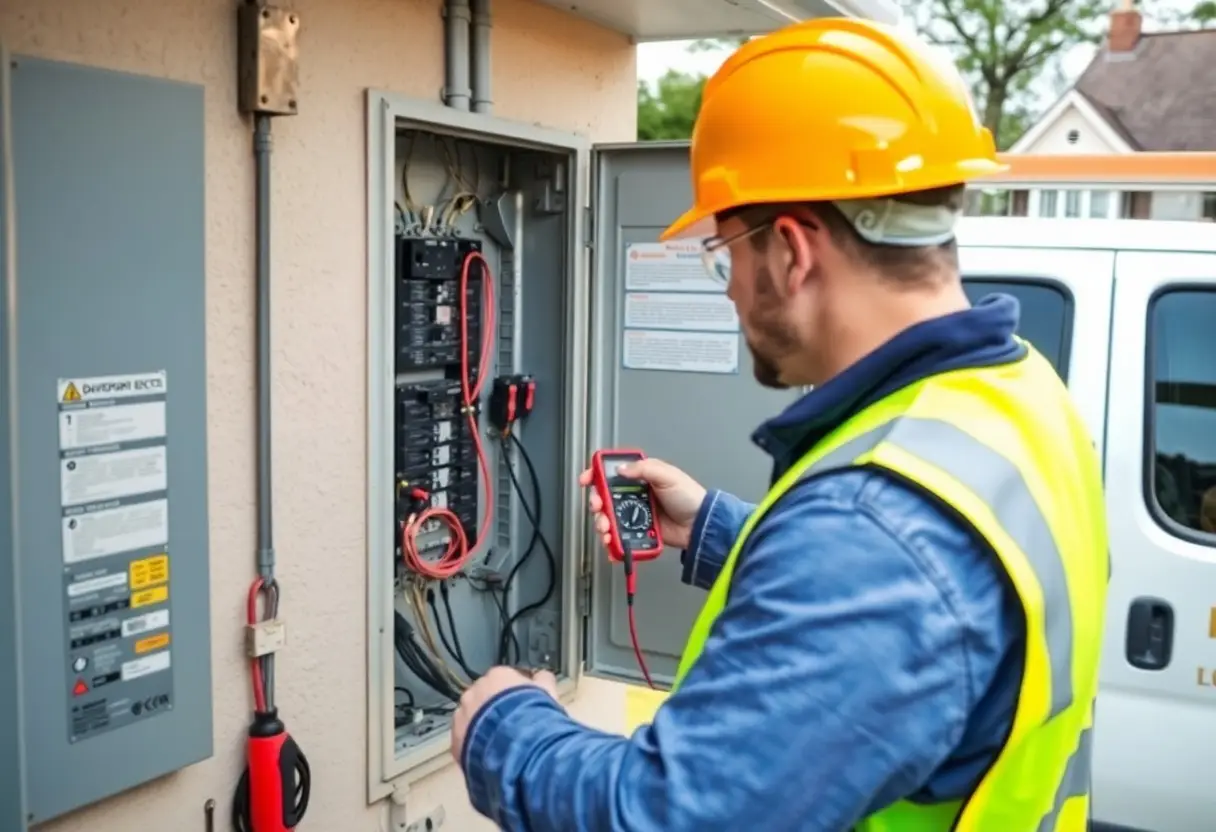
Professional installers size and wire your generator correctly so you avoid hazards and code violations; licensed crews pull permits, complete inspections, and protect your warranty with safe inspected connections.
The Role of Automatic Transfer Switches
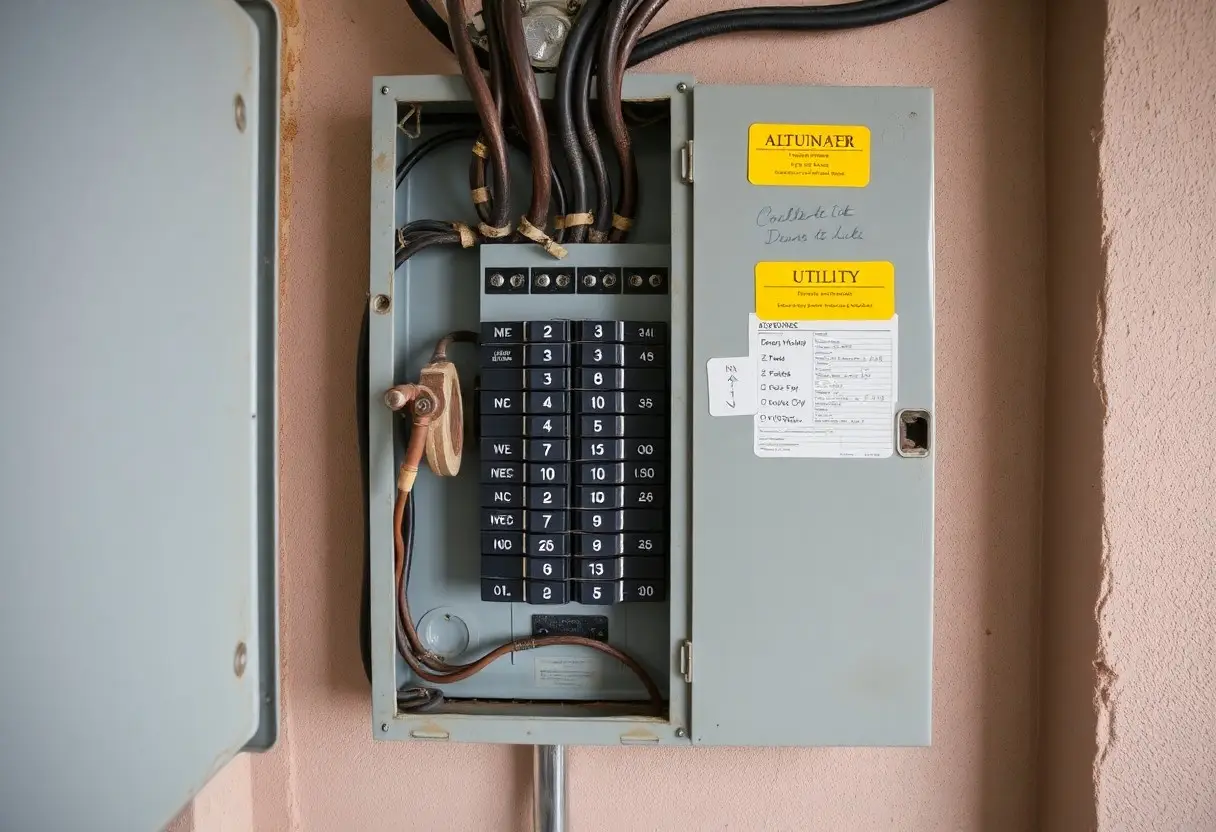
Automatic transfer switches detect outages and switch power within seconds, so you keep critical systems running while avoiding backfeed dangers; the ATS protects utility workers and your electronics.
Adhering to Local Building Codes and Emission Standards
Compliance with local codes and emissions rules ensures your generator operates legally and safely; you must secure permits, follow setback and exhaust requirements, and install proper grounding to avoid fines and carbon monoxide hazards.
Local authorities often require permits, noise and setback compliance, and emission testing; you should submit plans, schedule inspections, and keep installation records. Fuel storage limits and exhaust clearances protect against fire and carbon monoxide risk, while emission standards may affect generator choice. Hire licensed installers to confirm code adherence and provide documentation that protects your home and neighbours.
Strategic Maintenance for Peak Performance
Routine maintenance keeps your generator ready when storms strike; you should schedule regular tests, oil changes, and battery checks to avoid unexpected failures and extended outages.
Establishing a Routine Testing and Exercise Schedule
You should run generator tests monthly and exercise the automatic transfer switch to confirm operation; log results and address any abnormal readings promptly to avoid failures during storms.
Seasonal Inspections and Component Longevity
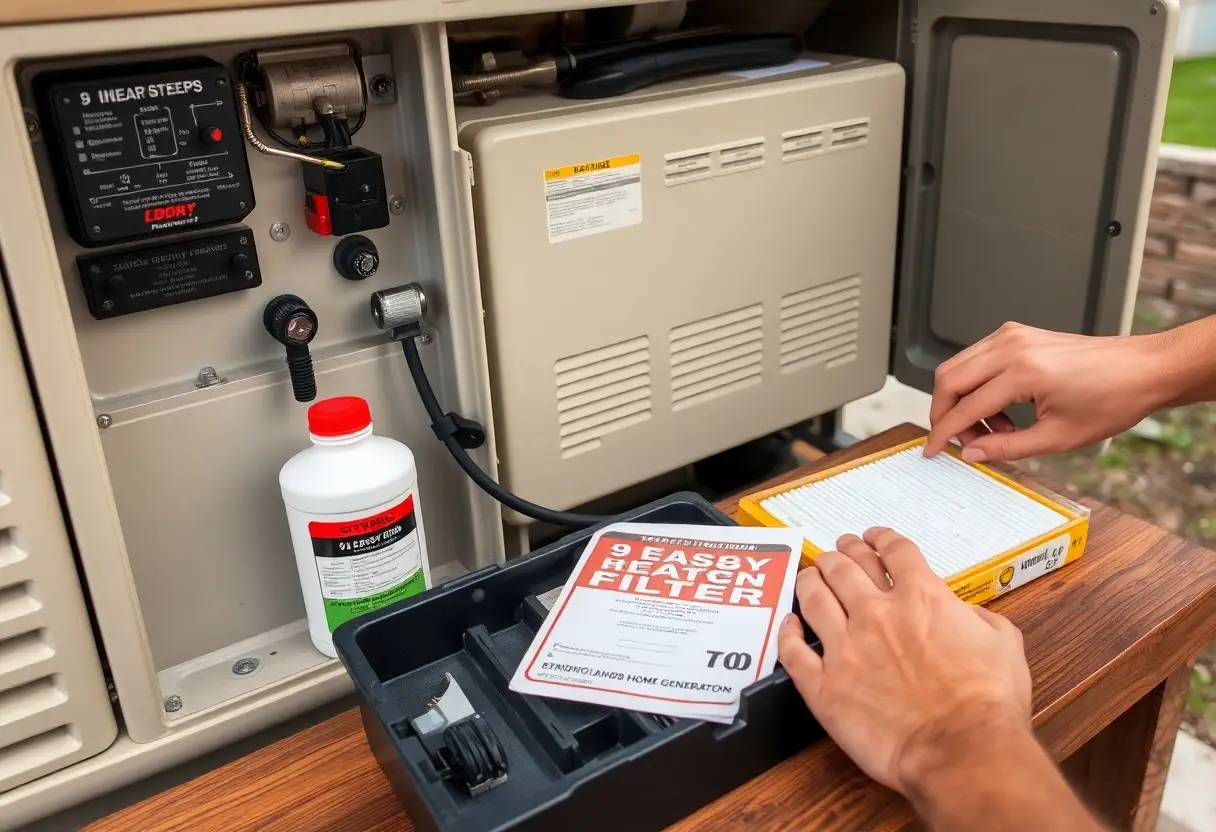
Inspect filters, coolant, belts, and fuel lines each season to extend component life; you should replace worn parts and store fuel properly to reduce risk of corrosion and breakdown.
Seasonal inspections should include battery load testing, oil and filter changes, fuel-filter replacement, coolant level and freeze-point checks, and visual inspection for leaks or rodent damage; you must treat stored fuel with stabilizer and rotate or drain old fuel to prevent fuel contamination that can cause unexpected shutdowns or engine damage. Have a qualified technician perform an annual load test and transfer-switch check to ensure reliable performance when storms strike.
Summing up
With these considerations you can choose and maintain a backup generator that keeps your lights, heating, and necessary appliances running during storms, protects perishable goods, and reduces safety risks; routine testing, proper installation, and fuel planning ensure reliable performance when outages occur.