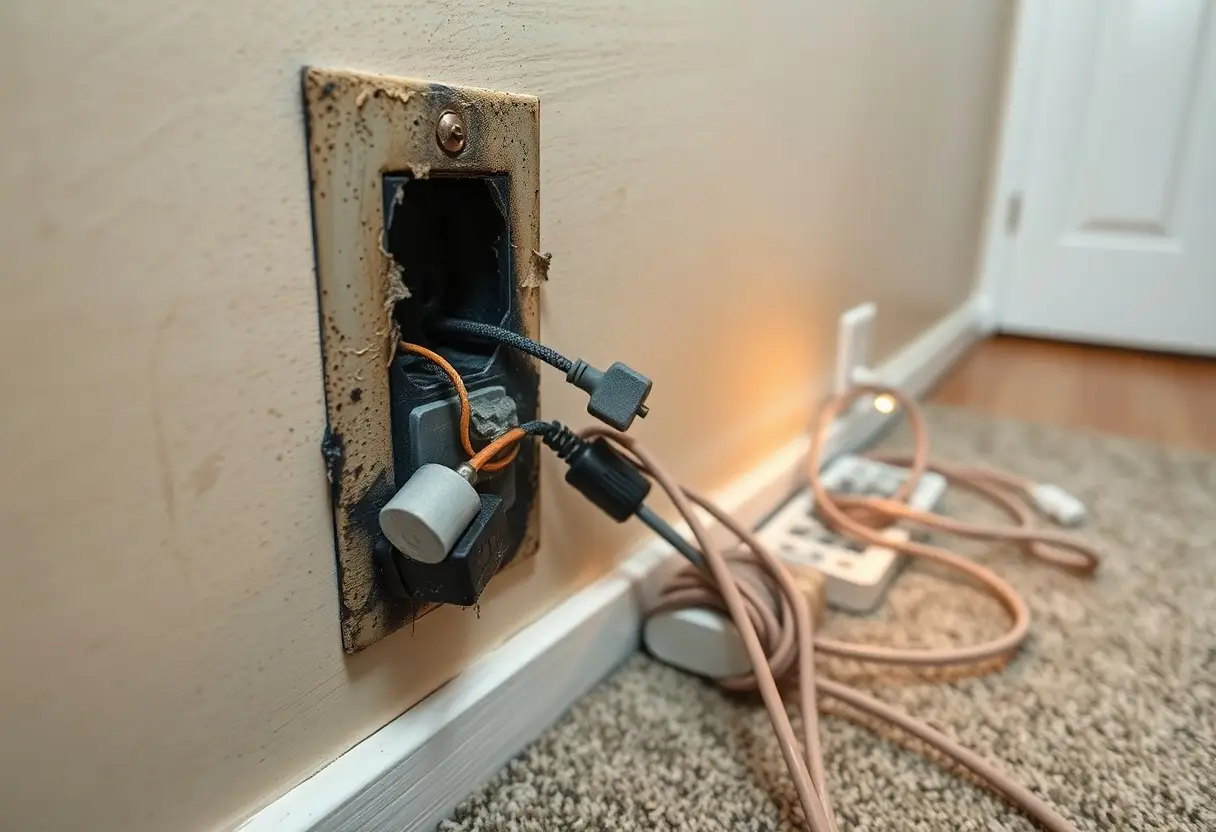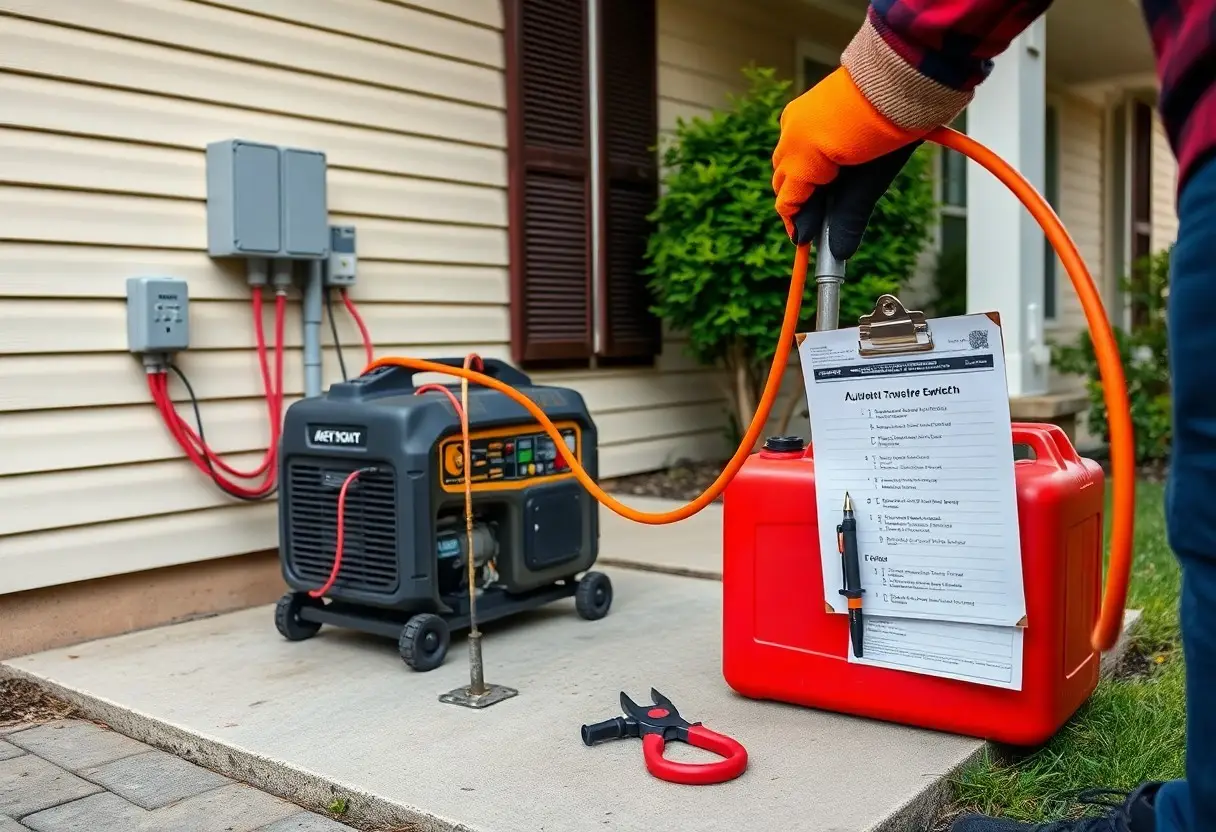
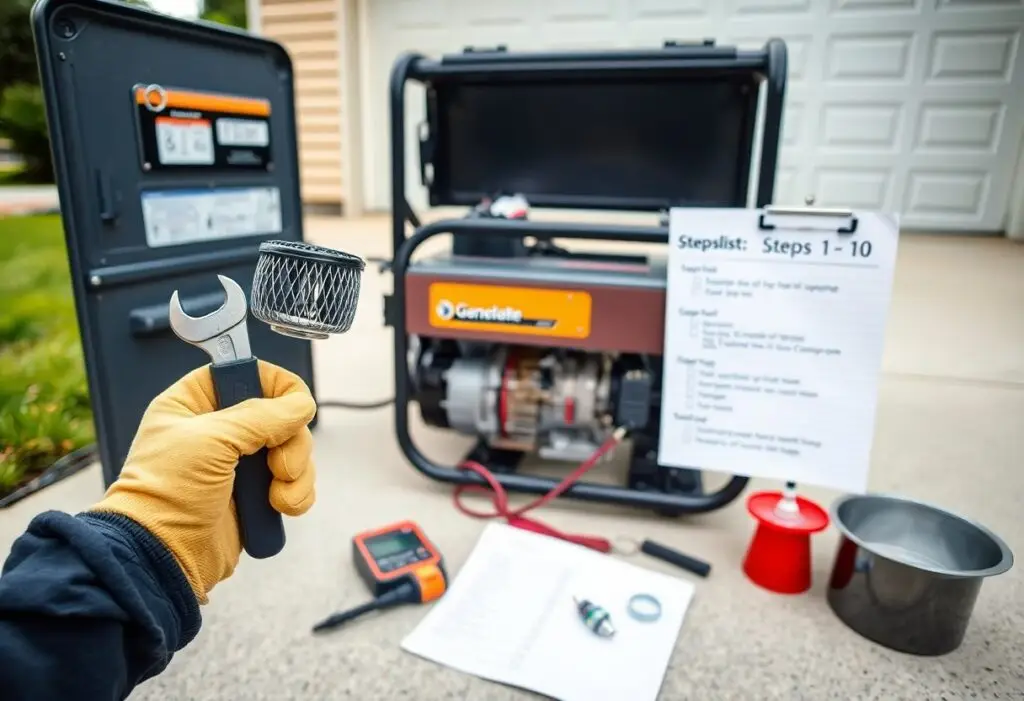
In this concise, authoritative overview you’ll learn 10 practical steps to keep your generator safe, efficient, and dependable; focus on routine safety inspections, mitigate fuel-storage and carbon monoxide dangers, perform timely oil and filter maintenance, and test systems regularly so your backup power remains reliable when you need it most.
Check fuel level
You should check your generator’s fuel level before outages and at least weekly during extended use. Top off before it falls below half to avoid unexpected shutdowns and to prevent air entering the fuel system; running dry can damage the pump and carburetor. Keep a short log of fuel checks and refill dates to ensure reliability.
Inspect fuel tank
When you open the tank, inspect for corrosion, dents, leaks, and any water or sediment. If you spot rust or pooled liquid, do not run the generator; contamination can clog lines and ruin injectors. Verify tank vents are clear and mounting straps are secure so your fuel remains safe and stable.
Replace old fuel
If fuel in your tank is older than 30-90 days, you should replace it; stale fuel causes poor starts, rough operation, and varnish buildup. Use fresh gasoline or diesel specified for your unit and add an approved stabilizer for longer storage. Be aware that ethanol blends degrade faster-store ethanol-free fuel when possible.
Before you replace fuel, shut your generator off, let it cool, and drain the tank with a dedicated pump into an approved container; avoid sparks, flames, and smoking. Replace fuel filters and flush lines if contaminated, then dispose of old fuel at a hazardous-waste facility-do not pour it down drains. After refilling, run your generator briefly to confirm proper operation.
Change engine oil
Regular oil changes keep your home generator reliable and extend engine life. You should follow the manufacturer’s schedule, warm the engine briefly to thin the oil, gather tools and a drain pan, and choose the recommended oil grade. Use a funnel to avoid spills and dispose of used oil properly. Proper oil maintenance improves starting and load performance and prevents wear.
Drain old oil
Before draining, run your generator a few minutes to warm the oil but avoid contact with hot surfaces. Turn the unit off, disconnect the spark plug or battery, position a pan under the drain plug, remove the plug and let oil drain fully. Replace the drain plug gasket and torque to spec. Avoid burns from hot oil and keep waste oil sealed for proper disposal.
Refill correct oil
Check your owner’s manual for the recommended oil type and capacity. Use the specified viscosity and whether synthetic is required; use manufacturer-recommended oil. Insert a clean funnel, pour slowly, and check the dipstick until the level reaches the full mark. Do not overfill; overfilling can cause smoking or damage. Wipe spills and reinstall the fill cap securely.
Confirm your oil capacity and check level after running your generator a few minutes to circulate oil; top off if needed. Replace the oil filter when recommended and inspect for leaks around the drain and fill areas. Select oil viscosity appropriate for your climate-lighter oils for cold starts, heavier for hot climates. Check for leaks, use correct capacity, and replace the oil filter to maintain engine longevity.
Replace oil filter
You should replace your generator’s oil filter every oil change to keep the engine running smoothly and prevent contaminants from circulating. Use the correct filter model and fresh oil; running the generator with a clogged filter can damage the engine. Follow the manufacturer’s intervals and keep a spare filter on hand.
Remove old filter
With the generator off and cool, you should drain the oil and position a pan under the filter. Use a filter wrench to break the seal, keeping your hands and skin protected with gloves; hot oil can cause burns. Clean the mounting surface and inspect the old filter for metal particles before disposal.
Install new filter
You should apply a thin film of fresh oil to the new filter gasket, thread it by hand until the gasket contacts the base, then tighten per instructions-usually hand-tight plus a fraction turn; over-tightening can strip threads. After refilling oil, run the generator briefly and check for leaks.
You should use the exact filter part number and follow the torque or turn specification in the manual; if unspecified, hand-tighten plus 3/4 turn. Dispose of the old filter and used oil according to local regulations; proper disposal protects the environment. Recheck your oil level after a short run and again after a few hours of operation.
Test battery condition
You should check your generator battery with a multimeter: 12.6V or higher indicates full charge, while below 12.4V suggests weakness. Perform a load or conductance test and inspect for swelling, cracks, or leakage; these are danger signs. Always wear gloves and eye protection because battery acid and sparks can cause serious injury.
Clean battery terminals
Before cleaning, disconnect the negative cable first and secure it away, then the positive. Use a baking soda and water paste with a wire brush to remove corrosion, rinse, dry, and apply a thin film of dielectric grease or petroleum jelly to prevent future buildup. Wear gloves and eye protection-sparks and acid are dangerous, while clean terminals restore reliable starting.
Replace weak battery
If testing shows a weak battery, replace it with the correct group size and a similar or higher cold cranking amps (CCA) rating. Disconnect negative then positive, remove mounting hardware, lift straight up to avoid spilling, fit the new battery securely, reconnect positive then negative, and torque terminals snug. After installation, test the generator to confirm reliable starting.
Choose a battery rated for your climate-higher CCA for cold conditions-and check the manufacture date and warranty. Dispose of the old battery at an authorized recycling center because acid and lead are hazardous. If you’re unsure about lifting, terminal condition, or proper charging, have a technician install it to avoid the risk of explosion or electrical damage.
Inspect air filter
You should inspect your generator’s air filter at the start of the season and after operating in dusty conditions; a blocked filter can cause overheating, reduced power, and increased fuel use, while a clean filter improves efficiency and extends engine life. Check for heavy soot, oil saturation, tears, or crushed pleats and act immediately if you see damage to avoid further engine wear.
Remove filter element
Before you remove the element shut the generator down, disconnect the spark plug or battery, and let the unit cool; open the airbox cover, unclip or unscrew the housing, and carefully slide the filter out to avoid dumping debris into the intake. Keep the inlet pointed up and inspect the housing for loose debris or oil before reinstalling.
Clean or replace
If the filter is foam, you can wash it in warm soapy water, rinse, squeeze dry, and lightly oil per the manual; if it’s a paper element, do not wash-replace it when dirty or torn. Replace the element with a manufacturer-approved part and ensure a proper seal to prevent unfiltered air entry.
As a guideline, inspect filters every 25-50 operating hours and replace paper elements every 100-200 hours or annually, more often in dusty environments; never run the generator without a filter, and always follow your manual’s service intervals to protect your engine and maintain reliable power.
Test coolant system
You should test your generator’s coolant system every few months and after heavy use: inspect for leaks, test pressure with a cap tester or have a pro check the thermostat and water pump, and verify coolant strength with a refractometer. Low or contaminated coolant can cause overheating and engine damage, so schedule regular checks to keep your generator reliable.
Check coolant level
When your engine is cold, check the overflow reservoir and radiator fill neck; top up only to the marked level with the manufacturer-recommended coolant or the correct antifreeze/water mix. Low level leads to overheating, and overfilling can cause pressure issues, so keep levels within the specified range to protect your engine.
Inspect hoses and clamps
You should visually inspect your hoses for cracks, bulges, hard or soft spots and coolant residue around fittings; check clamps for corrosion and a secure fit. A burst hose can cause sudden shutdown and spray of hot coolant, creating a serious hazard, so replace any suspect component before it fails.
You should test hoses by gently squeezing along their length-soft or spongy areas indicate deterioration; inspect near bends and clamp locations where stress causes cracking, and check for coolant stains or oil contamination that shortens hose life. You should replace hoses older than five years or showing swelling, and fit quality coolant-rated hoses with stainless or correctly sized clamps. Replace immediately if you detect swelling, severe cracks, or failed clamps.
Check spark plugs
You should inspect your generator’s spark plugs every few months or after heavy use; worn, fouled, or cracked plugs cause misfires and poor fuel economy. Pull each plug to check electrode wear, carbon build-up, oil fouling, and porcelain cracks. If you see damage or heavy deposits, replace the plug to restore reliable starting and efficiency. Always follow your owner’s manual intervals and specifications.
Remove spark plugs
You must let the engine cool, disconnect the battery or ignition lead, and pull the spark plug wire boot with a firm twist. Clean debris around the plug to prevent contamination, then use a proper spark plug socket and extension to loosen and remove plugs. Be cautious of hot parts and high voltage – disconnect ignition to avoid shock or accidental start. Label wires so you return them to the correct cylinders.
Replace or gap
When installing new plugs, choose the correct type and inspect the electrode. Use a feeler gauge to set the gap to the specification in your manual; a correct gap restores smooth operation and fuel efficiency. Thread plugs in by hand to avoid cross-threading, then tighten to the manufacturer’s torque. Over-tightening can strip threads or break the plug.
Check the plug’s heat range and part number against your manual – wrong heat range can cause pre-ignition or fouling. To adjust gap, gently bend the ground electrode with the correct tool and re-check with a gauge. If you see heavy oil or metal deposits, investigate underlying issues like valve guides or ignition timing. Using the specified plug and proper torque prevents damage and extends generator life.
Exercise generator regularly
You should run your generator on a scheduled basis to keep fuel fresh, lubricants circulated, and electrical contacts clean. Regular exercise prevents fuel degradation and extends the unit’s lifespan, while letting you detect leaks or faults early. Make notes about runtime and anomalies so you can address issues before they become dangerous.
Run under load
When you run the generator, apply a realistic electrical load so the alternator and voltage regulator see operating stress; idle-only testing misses many faults. Use a load bank or crucial appliances for 20-60 minutes to heat components and test performance. Always monitor volts/amps and avoid overloading to prevent damage; proper loading also provides reliable performance data.
Simulate power outage
Practice a controlled switchover by triggering the transfer switch or manual changeover so your generator starts and supports circuits as intended. This reveals ATS errors, start delays, or grounding issues. Prioritize safety: ensure proper ventilation and keep the generator outdoors to avoid carbon monoxide risk, and prevent backfeeding by isolating the mains.
Before a full simulation, notify household members and turn off sensitive electronics to avoid surges. Run the generator with a typical mix of loads for at least 30-60 minutes, check fuel level and battery charging, and inspect for smoke, smells, or overheating. Log results and any faults so you can schedule repairs; addressing issues promptly reduces the chance of a dangerous failure during an actual outage and ensures reliable backup power.
Inspect electrical connections
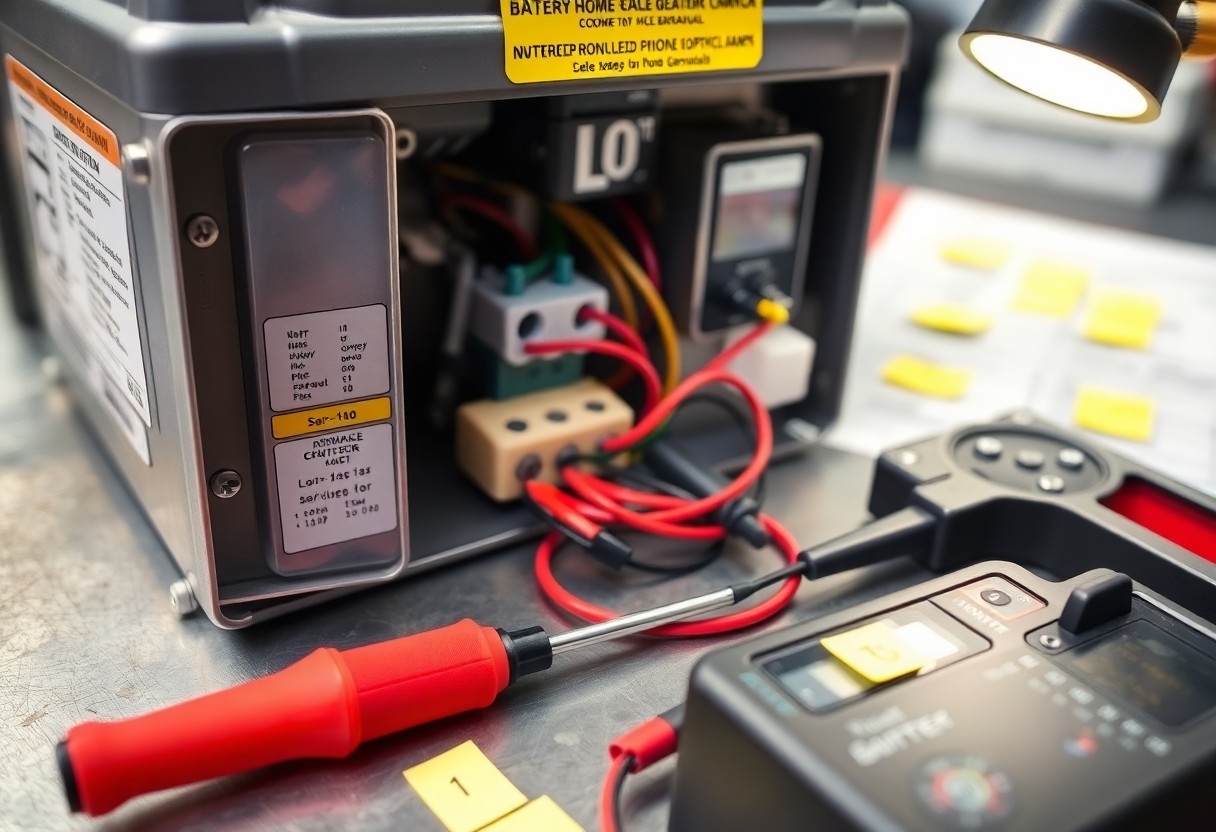
You should inspect all generator terminals and wiring for tightness, discoloration, or damage at least twice a year. Pay special attention to loose connections that cause arcing and the potential for fire, and to clean, secure connections that support reliable operation under load.
Tighten loose connections
If you find loose terminals, shut down and isolate the generator, then tighten nuts and screws to the manufacturer torque specs. Loose connections increase resistance, causing overheating, arcing, and intermittent power; secure fittings improve safety and extend your generator’s life.
Look for corrosion
Corrosion on terminals and connectors increases resistance and can lead to overheating or failure when you need power. Inspect for green or white deposits, pitted metal, or flaky insulation, and mark any areas that need cleaning or replacement to maintain safe performance.
Before you work on corroded parts, always isolate the generator and wear protective gloves and eye protection. Use a wire brush and electrical contact cleaner to remove deposits, dry thoroughly, then apply dielectric grease to prevent recurrence; if terminals are heavily pitted, replace them to avoid dangerous failures.
Clean exterior and vents
You should keep the generator’s exterior clean and vents free of buildup to prevent overheating and corrosion. Use a damp cloth for panels and compressed air for vents, and consult Diesel Generator Maintenance Made Simple: 10 Key Steps for diesel-specific guidance. Blocked vents can cause overheating and reduced efficiency; cleaning extends service life.
Remove debris and dust
You should remove leaves, dust, and nests from the housing and intake screens regularly. Shut the unit down, disconnect power, and use a soft brush or low-pressure compressed air. Avoid water on electrical components and wear gloves to prevent injury; small, frequent cleanings prevent major repairs.
Ensure proper ventilation
You must keep clearance around vents and the exhaust path free of obstructions so heat and fumes dissipate safely. Poor ventilation risks carbon monoxide buildup and overheating, while proper airflow improves performance and fuel efficiency. Check vents after storms and snow.
You should follow manufacturer clearance specs-allow at least 3 feet around openings-and avoid locating your generator in enclosed sheds. Install louvered vents or a vented enclosure if needed, and place a CO detector nearby. Proper placement reduces fire and poisoning hazards and helps maintain warranty coverage.
To wrap up
Hence you can keep your generator reliable by following the 10 practical steps in this guide: perform routine inspections, change oil and filters, test under load, maintain fuel quality and battery charge, ensure proper ventilation and secure connections, log maintenance, and engage a qualified technician for complex work; consistent care reduces downtime, extends lifespan, and guarantees dependable backup power when you need it.