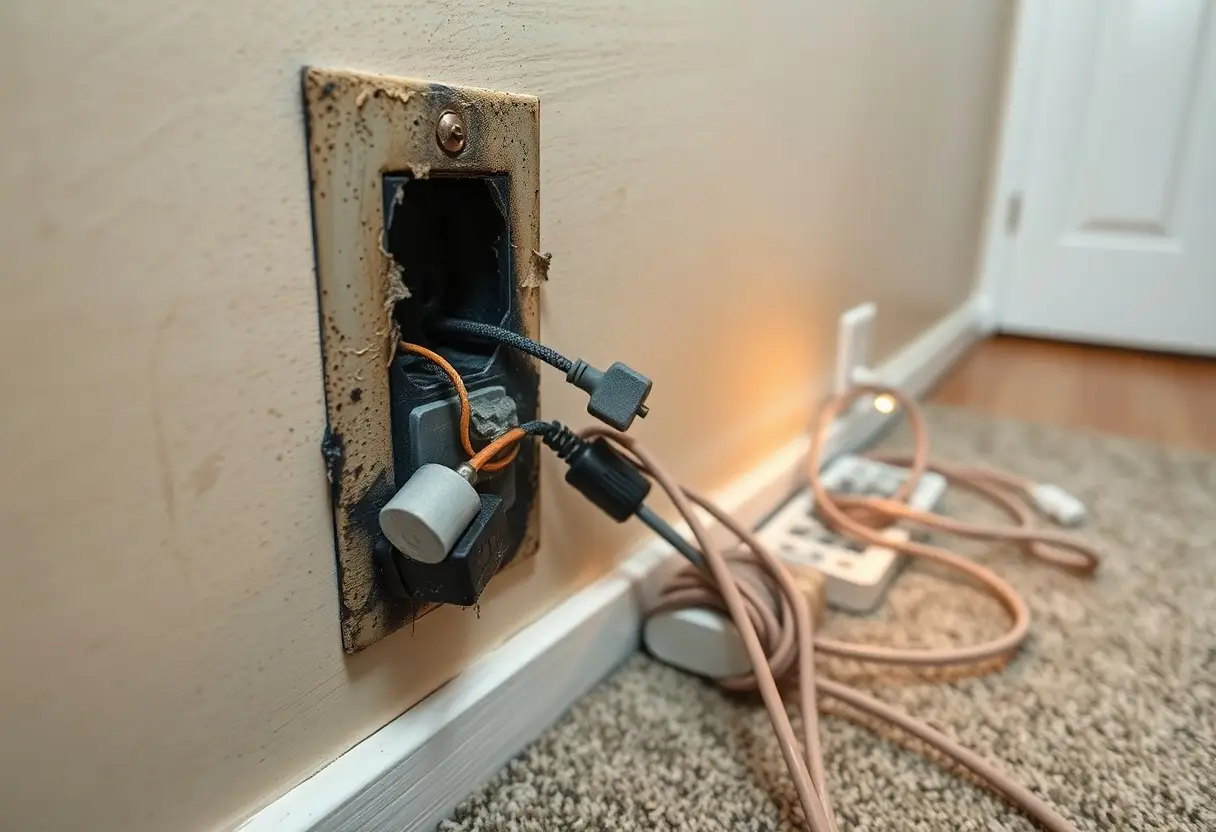
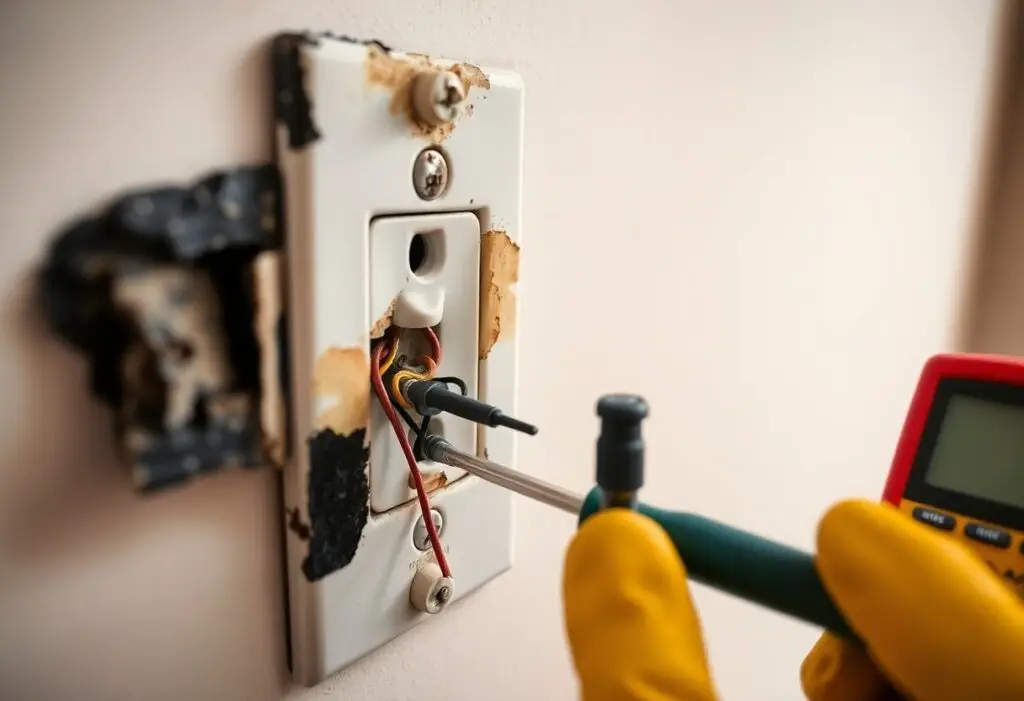
Most warning signs that an outlet needs replacement are visible or tactile: if you notice sparks, a burning smell, discoloration or scorching, persistent buzzing, outlets that feel warm, or plugs that sit loosely, you should stop using it and cut power. You should replace the outlet or hire a licensed electrician to ensure safety and restore reliable power to your home.
Recognizing when an outlet needs replacement
You’ll spot the need for replacement when an outlet shows visible damage, behaves unpredictably, or repeatedly trips circuits; common triggers include outlets older than 30-40 years, faceplates with burn marks or melting, and plugs that won’t stay seated. Check whether a single outlet affects multiple devices or a specific appliance (for example, a 1,500 W heater causing trips)-that pattern often points to outlet or wiring failure rather than the appliance alone.
Visual and tactile warning signs
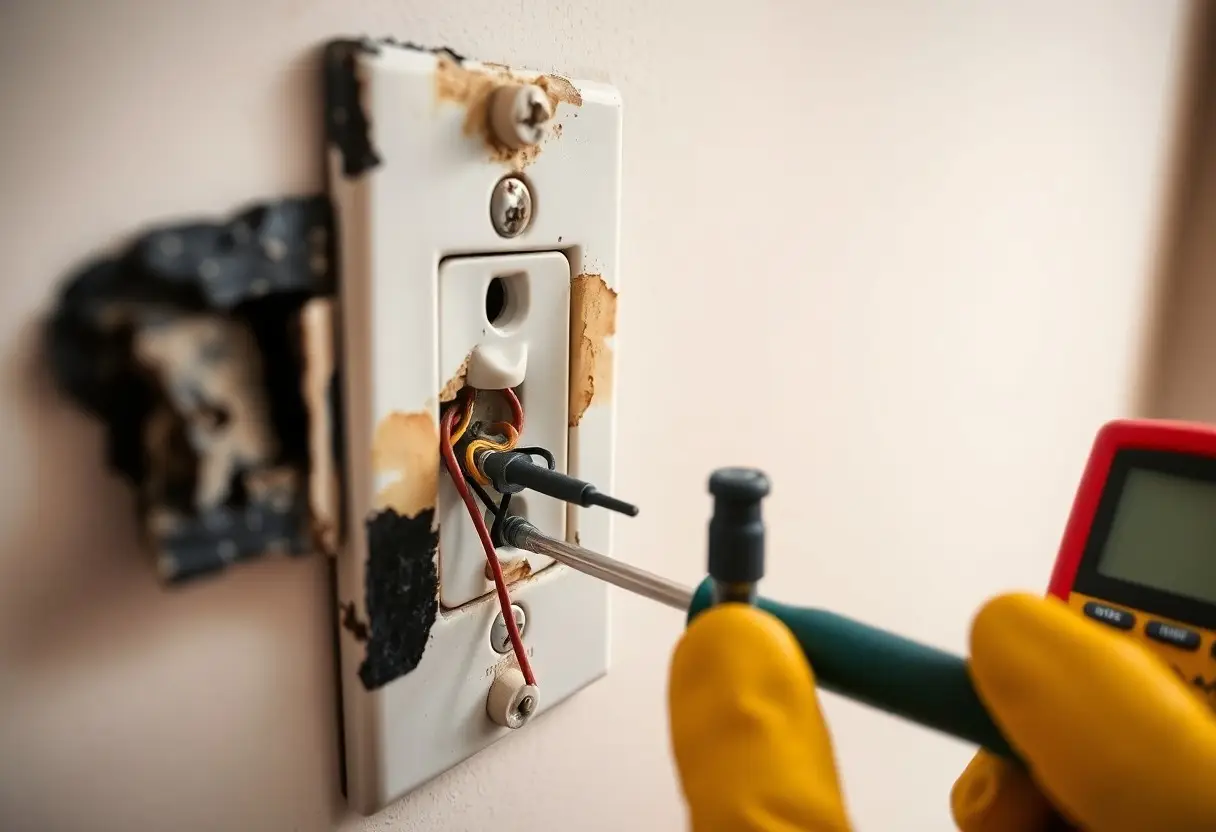
Cracked or discolored faceplates, black soot around the slots, exposed wiring, and a receptacle that wobbles when you insert a plug are immediate red flags. You should also note if the outlet feels warm or hot to the touch after light use, or if you detect a persistent burning smell-these indicate overheating or arcing and demand action.
Electrical symptoms and performance issues
Frequent breaker or GFCI trips when using one device, intermittent power, buzzing sounds, or lights that dim when something else is plugged in suggest loose connections, overloaded circuits, or failing contacts. If a 1,500 W space heater (≈12.5 A at 120 V) causes trips while other outlets are fine, the outlet or its branch circuit likely needs attention; these symptoms often precede dangerous arcing or thermal damage.
Arcing and loose neutrals raise resistance and heat; using a multimeter you should see about 120 V (typically 115-125 V) at a healthy outlet. A voltage drop under load, readings that fluctuate by more than ~5-10%, or an outlet wired via backstab terminals instead of screw terminals are signs of poor connections. In those cases you should have your outlet replaced or rewired by a licensed electrician to eliminate fire risk.
How-to test an outlet safely
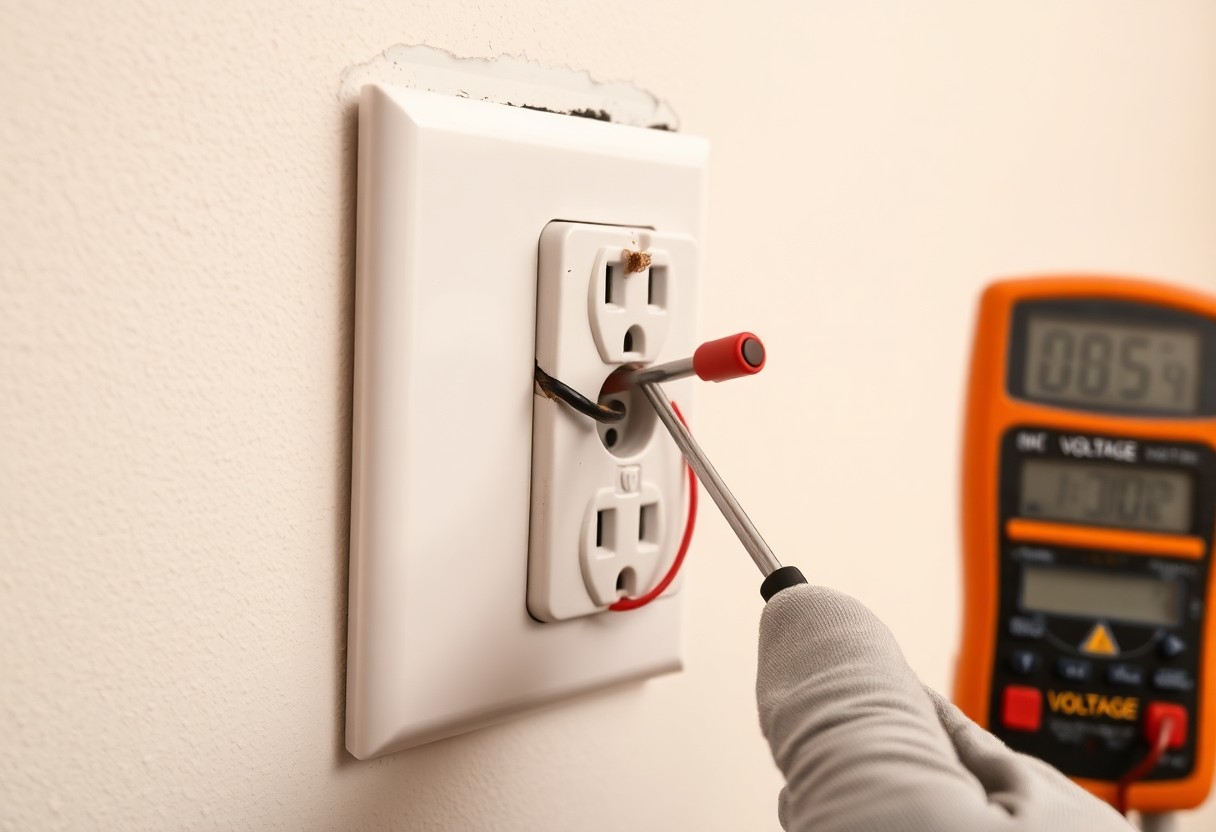
When you test an outlet, work methodically: shut off nearby load devices, use insulated tools, and keep one hand away from exposed wiring to reduce shock risk. If you must probe live, use a proper tester or multimeter rated for the job and stand on a dry surface. For any wiring work inside the box, flip the circuit breaker and verify power is off with your meter before touching terminals; if readings are odd or you see burnt parts, treat the outlet as unsafe and call a pro.
Using a receptacle tester (quick checklist)
Plug the tester into the outlet and compare the light pattern to the provided chart; common codes indicate open ground, open neutral, or reversed hot/neutral. Test both top and bottom outlets, and try nearby outlets on the same circuit for consistency. If the tester shows hot/ground reversed or no hot present, stop and label the circuit; these faults often require pulling the outlet and checking connections or hiring an electrician.
Measuring voltage and continuity with a multimeter
Set your meter to AC voltage (200V range for US), probe hot-to-neutral and hot-to-ground expecting about 120 V (US) or ~230-240 V in many other countries; neutral-to-ground should read near 0 V. For continuity, turn the breaker off, move the meter to continuity/ohms, and test with the outlet removed-do not check continuity while the circuit is live. If you get unexpected voltages (e.g., ~60 V), you may be seeing a phantom/induced voltage or an open neutral.
For deeper troubleshooting, use a low-impedance meter or clip a known resistor (10 kΩ) across probes to collapse ghost voltages that high-impedance meters can show. When continuity shows very low ohms between hot and neutral with power off, that suggests a short; very high or infinite ohms indicates an open conductor. If hot-to-ground is 0 Ω with breaker off, you likely have a bootleg ground or a direct short-both are dangerous and warrant shutting the circuit down until corrected.
Key factors that indicate replacement
You should replace an outlet when it exhibits repeated faults, visible damage, or fails built-in safety devices; common issues include warmth at the faceplate, buzzing, sparking, or frequent breaker trips. Watch for discoloration, melted plastic, or a GFCI that won’t reset, since those are signs of internal failure and elevated fire risk. Any outlet older than 15-20 years, showing these problems, or serving high-draw appliances needs prompt replacement.
- Warm or discolored faceplate
- Sparks or visible arcing
- Loose receptacle or plugs that fall out
- Frequent breaker trips when using a single outlet
- GFCI or AFCI that won’t reset or test properly
- Outlet age > 15 years with heavy use
- Burning smell or heat under load
Age, wear, and internal damage
When an outlet reaches about 15-20 years, the internal contacts can wear, loosen, or carbonize from arcing, reducing contact area and raising resistance; you’ll notice intermittent power, sparking, or black soot around the slots. If you see cracked plastic, exposed wiring, or screws that won’t tighten, your receptacle has likely sustained internal damage and should be replaced to eliminate shock and fire hazards.
Load, overheating, and environmental exposure
On a standard 15A, 120V circuit (≈1,800W max), sustained loads over 80% (≈1,440W) push outlets toward overheating; running a 1,500W hairdryer plus other devices can cause melting, arcing, and insulation failure. Humid basements, outdoor locations, or salt air corrode contacts, increasing resistance and heat, so you should monitor outlets used for high-draw appliances and replace any that get hot or show corrosion.
More specifically, appliances like space heaters (~1,500W), microwaves (1,000-1,500W), or toaster ovens repeatedly drawn from one outlet accelerate contact degradation; using an IR thermometer while the appliance runs can reveal hotspots above normal room temperature. Corroded or pitted contacts raise voltage drop and arcing frequency-install GFCI or AFCI receptacles in wet or high-load areas and consult an electrician if you detect melting plastic, a persistent burning smell, or temperatures above about 50°C at the faceplate.

Safety tips before attempting replacement
You must treat every outlet as energized until you verify zero voltage; wear PPE and keep others clear of the area. Shut off the correct breaker, then test with a voltage tester and a second device for confirmation; avoid contact with exposed conductors and don’t work in damp conditions. If wiring shows burning, melting, or arcing, stop and contact a licensed electrician. Perceiving any heat, discoloration, buzzing, or persistent tripping is a sign to stop work immediately.
- Turn off the correct breaker and apply lockout (tagout).
- Verify with a non-contact voltage tester and a multimeter.
- Use insulated tools, eye protection, and insulated gloves.
- Avoid working alone and keep the workspace dry and well lit.
- Call a pro if you find aluminum wiring, scorched devices, or shared neutrals.
Power shutdown and lockout procedures
First locate the correct breaker using a circuit tracer or by switching devices off, then shut it off and hang a lockout tag; you should use a padlock on the panel breaker if available. Test the outlet with a non-contact voltage tester, then confirm with a multimeter reading 0 V between hot and neutral and hot and ground. Allow a few seconds for any residual charge to dissipate and ensure downstream loads are disconnected before you proceed.
Proper tools, PPE, and workspace setup
Bring an insulated screwdriver set, a reliable non-contact voltage tester, a digital multimeter, needle-nose pliers, and wire strippers with known ratings; use insulated gloves, safety glasses, and an insulated mat underfoot. Keep a 3-foot clear work area, bright task lighting, and a bucket for screws-no metal jewelry or wet surfaces. If installing a replacement, choose a GFCI or tamper‑resistant outlet when required by code.
Insulated tools should be rated to at least the nominal system voltage (residential is typically 120 V); choose screwdrivers and pliers with IEC 60900 or ASTM ratings when possible. For gloves, Class 0 (up to 1,000 V) offers ample protection for receptacle work-pair them with leather protectors if you’ll handle sharp edges. Keep test equipment calibrated, place a secondary tester on the circuit as a cross-check, and maintain 30-36 inches of unobstructed clearance in front of the panel or work area for safe movement.
How-to replace an outlet (step-by-step)
Quick step table
| Step | Action & tip |
|---|---|
| 1. Cut power | Switch off the correct breaker and lock/tag it; after switching, use a non-contact tester to confirm power is off. |
| 2. Verify | Confirm with a multimeter that voltage is ≈120 V between hot and neutral before touching wires. |
| 3. Remove | Remove cover and mounting screws, pull outlet out, and photograph wiring layout for reference. |
| 4. Disconnect | Loosen side screws or remove pigtails; avoid backstabbing. Note wire sizes: 14 AWG for 15A, 12 AWG for 20A. |
| 5. Prepare | Strip about 3/8 inch (9 mm) of insulation, form a clockwise loop, and attach to the correct terminal colors. |
| 6. Mount & test | Tighten terminal screws to a snug torque (use a torque driver ~12 in-lbs if available), seat outlet flush, restore power, and test with a plug-in tester. |
Removing the old outlet safely
You must turn off the breaker and use a non-contact tester plus a multimeter to verify no voltage before you touch wiring; after removing the cover, photograph the connections and label any circuits, since seeing melted insulation, blackening, or a burning smell means you should stop and call a professional because those signs indicate overheating or arcing.
Installing and securing the new outlet correctly
You should attach the hot (black) to the brass terminal, neutral (white) to the silver, and ground (bare/green) to the green screw, use side-screw connections rather than backstab holes, strip about 3/8 inch of insulation, and tighten screws snugly-if you have a torque driver, aim for ~12 in-lbs to avoid loose connections or damaged terminals.
After wiring, push the outlet back so wires lay without pinches, secure it to the box so it sits flush with the wall, then restore power and verify with a plug-in tester: you should see correct polarity and ≈120 V between hot and neutral; if lights indicate an open neutral, reversed polarity, or if voltage reads outside 115-125 V, shut the breaker off and re-check connections or call an electrician.
When to hire a professional
If you detect warm outlets, a burning smell, sparks, repeated tripped breakers, or intermittent power, you should call a licensed electrician rather than attempt DIY fixes. You can change a straightforward, properly grounded receptacle yourself, but persistent arcing or multiple affected outlets often indicate faults in the branch circuit or panel; those issues can produce fire and shock hazards and require professional diagnosis with specialized tools and experience.
Complex wiring, grounding, and shared-neutral issues
When outlets are on a multi‑wire branch circuit (a 3‑conductor cable with a shared neutral), you need a qualified pro to confirm correct handle‑tied or common‑trip breakers and proper neutral routing; improper repairs can create overloads and 240V faults. Also have an electrician address aluminum wiring, open grounds, or reversed neutrals-those conditions raise resistance, cause heat, and demand specific connectors and mitigation methods.
Code compliance, permits, and hazardous conditions
If you’re adding circuits, moving outlets, replacing knob‑and‑tube, or altering grounding paths, a permit and inspection are often required; municipal rules vary but most require GFCI protection in kitchens/bathrooms/outdoors and AFCI protection in living areas. DIY work that triggers an inspection can be failed for missing protection or improper wiring, leading to rework or fines, so engaging a pro avoids noncompliance.
During remodels electricians commonly upgrade circuits to meet current standards: for example, kitchen countertop receptacles must be on 20‑amp small‑appliance circuits and protected by GFCI, and bedrooms/living rooms usually need AFCI protection per modern NEC editions. Inspectors will flag open junction boxes, exposed conductors, or improper splices; hiring a licensed electrician ensures correct wire sizing, proper device termination, and documentation for permits and sale disclosures.
Final Words
Summing up, if your outlet frequently trips breakers, sparks, emits a burning smell, feels warm, shows discoloration, has loose or wobbly plugs, or is an ungrounded two‑prong, you should replace it promptly; have a licensed electrician inspect wiring and install a modern, grounded receptacle to ensure safe operation.