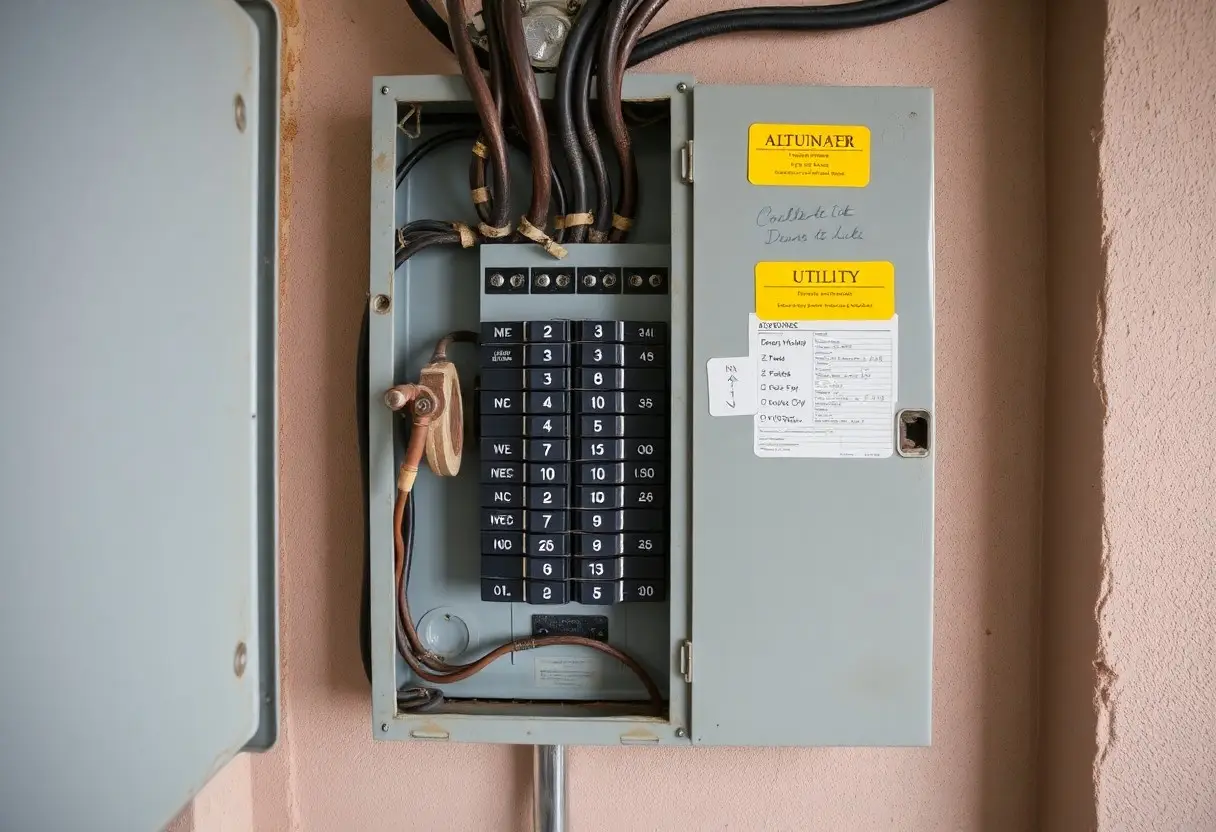
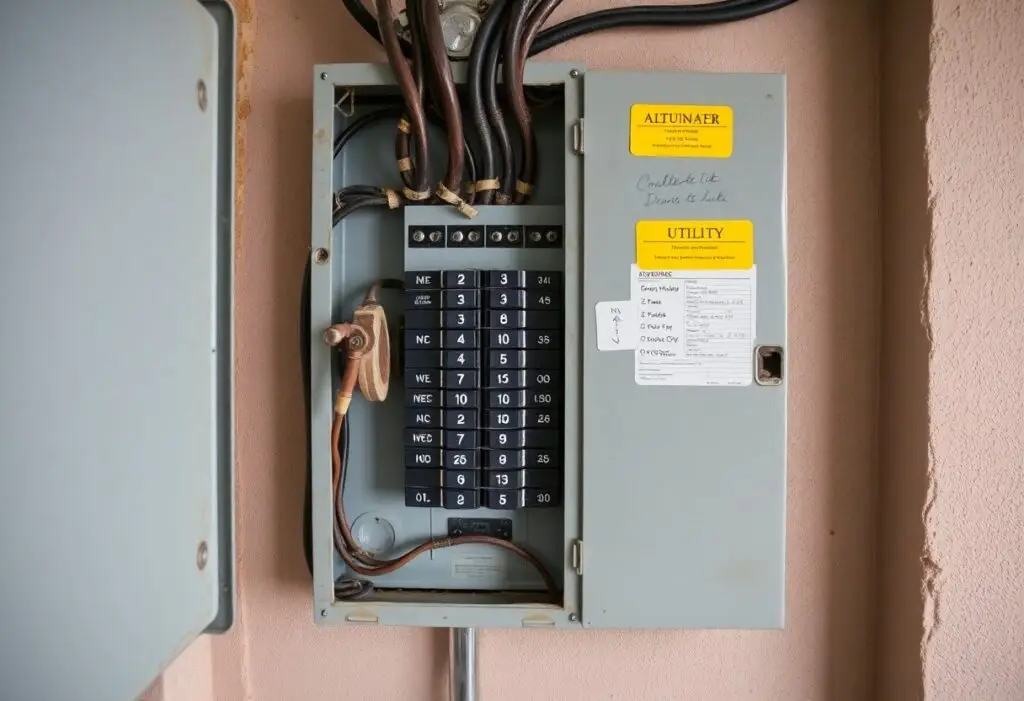
Over time, your electrical panel can show signs of wear that put your home at risk; loose connections and overheating often cause tripping and a risk of fire or electrocution. You should watch for flickering lights, burning smells, or frequent breaker trips. Outdated or undersized panels limit capacity, but upgrading to a modern panel improves safety and increases electrical capacity, protecting your family and devices.
Common panel types in Davenport
You’ll most commonly find breaker panels with 100A or 200A mains and modular breakers in Davenport homes, plus occasional meter-main combos in remodels. Many properties use brands like Square D, Siemens, and Eaton for reliable performance and modern safety features. Recognizing Federal Pacific and Zinsco as potential hazards helps you prioritize inspections and replacements.
- Main breaker panel
- Main lug-only
- Subpanel
- Fuse box
- Meter-main combo
| Main breaker panel | Commonly 100A-200A; standard in most homes, breakers trip to protect circuits. |
| Main lug-only | No main breaker; often used as sub-feed with 60A-200A ratings-watch for improper service disconnects. |
| Fuse box | Usually 30A-100A fuses; older units lack modern safety features and often flagged by inspectors. |
| Subpanel | Fed from main panel; requires separate neutral-ground handling and proper breaker sizing for feeders. |
| Meter-main combo | Space-saving option seen in additions; combines meter and service disconnect-verify accessibility and labeling. |
Typical residential breaker panels and service sizes
In Davenport, most post-1990 homes have 100A or 200A service; older homes may still have 60A-100A. You’ll see dedicated circuits-ranges often use 40-50A, central A/C compressors 30-60A, and EV chargers commonly require 30-60A circuits. When adding high-demand equipment, plan for a load calculation and possible upgrade to 200A service to avoid nuisance trips and capacity shortfalls.
Older or high‑risk models to watch for (fuse boxes, legacy brands)
If your home has a fuse box or legacy brands like Federal Pacific (Stab-Lok) or Zinsco, you face higher likelihood of breakers/fuses failing to clear faults, overheating, and unsafe modifications. Inspectors commonly note warped breakers, burn marks, or double-tapped neutrals as indicators you should address promptly.
Federal Pacific Stab-Lok panels have been associated with breakers that may not trip under overload, and Zinsco designs are known for bus and breaker failure modes; insurers and many electricians often recommend replacement rather than repair. You should have a licensed electrician perform an infrared scan, verify bus integrity, and complete a load calculation; a full panel replacement (including permit and grounding corrections) typically takes a day or two and can range widely in cost-often between about $1,200 and $3,500 depending on whether you upgrade service to 200A and swap meter hardware. If you see melting, discoloration, or undocumented work, treat the panel as high risk and plan for replacement.
Frequent panel problems homeowners see
You often encounter a few repeat issues: overloaded 15-20A branch circuits, aging main services (often 100-200A), DIY modifications, and environmental damage. For example, kitchens with multiple appliances or older homes with aluminum wiring will cause more trips and wear. Inspectors commonly find loose neutrals, poor terminations, and evidence of arcing, all of which shorten component life and raise the chance of electrical failure or fire.
Overheating, tripped breakers, and scorched components
When breakers trip repeatedly or you spot scorched plastic, melted insulation, or a burning odor, those are signs of overheating from overload, high-resistance connections, or failing breakers. You might see a 20A kitchen circuit trip when a microwave (10-12A) and space heater (12-15A) run together. In such cases thermal damage can progress quickly, so shut off affected circuits and have a pro test for hot spots and arcing.
Corrosion, moisture damage, and loose connections
Moisture from basements, crawlspaces, or humid summers promotes corrosion that raises resistance and creates heat where conductors meet bus bars; you may spot green or white deposits on aluminum terminations. Loose connections amplify that heating, so corrosion and poor torque on lugs are common culprits behind intermittent faults and elevated fire risk in older Davenport homes.
More specifically, you can detect trouble with a thermal camera-hot spots 10-20°F above adjacent connections indicate high resistance. Technicians will measure voltage drop and retorque to manufacturer specs or replace pitted lugs; for aluminum they may apply anti-oxidant compound before installing new connectors. If bus bars are deeply pitted or breakers show arcing marks, the proper remedy is to replace corroded parts or the panel and get a licensed electrician to verify safe operation.
Root causes and contributing factors
Frequent triggers in Davenport include outdated panels, added load without service upgrades, and poor workmanship; older homes often still have 60‑amp or 100‑amp services while modern needs favor 200‑amp service. Faulty connections, moisture intrusion, and rodent damage accelerate wear and create overheating or arcing that raises fire risk.
- Age
- Overloaded circuits
- Improper modifications
- Substandard wiring
- DIY work
- Pest or water intrusion
Recognizing these drivers helps you target inspections and fixes.
Age, overloaded circuits, and improper modifications
If your panel is more than 25-40 years old you likely face degraded breakers and bus bar corrosion; adding a central AC (~20-30 A), hot tub (~40-50 A) or an EV charger (~30-50 A) can push a legacy 100‑amp service well past capacity. Contractors often find double‑tapped breakers, tandem breakers used improperly, and unpermitted subpanels that mask overloads; you should note frequent tripping, warm covers, or flicker as signs that an upgrade or rewiring is needed.
Substandard wiring, DIY work, and pest or water intrusion
Homes with knob‑and‑tube or aluminum wiring face higher resistance, loose connections, and heat buildup, while DIY splices and non‑code junctions create exposed conductors and arcing points. You may see chewed insulation from rodents or blackened terminations from moisture; both increase shock and fire risk, so documented defects warrant prompt professional correction.
When you inspect further, aluminum conductors often show oxidation and loose terminations that raise contact resistance and temperatures; the accepted corrective method is pigtailing with copper using COPALUM or listed connector kits rather than simple back‑stabs. Rodent damage commonly appears in attics and crawlspaces-finding 3-8 chewed runs is not unusual-and water leaks can corrode bus bars and breaker frames. Prioritized repairs you arrange now can reduce the likelihood of repeated trips, arcing faults, or insurance complications.
Safety risks and warning signs
You should treat panel warning signs as immediate safety issues: smell of burning, visible sparks, hot enclosures, flickering lights, and repeated trips often signal failing connections, overloaded circuits, or aged breakers. In Davenport homes-especially those with panels older than 25 years-these symptoms commonly precede component failure or electrical fire. Prioritize shutting off affected circuits and contacting a licensed electrician for inspection, since resolving loose lugs or replacing faulty breakers can remove significant fire and outage risk.
Smell of burning, sparks, frequent outages
If you detect a burning odor or see sparks, act immediately: turn off the main breaker only if you can do so safely, evacuate if smoke appears, and call emergency services for fire. Frequent outages or repeated breaker trips often point to arcing or short circuits; inspectors commonly find melted insulation, scorch marks, or loose wiring in such cases. Getting a licensed electrician to diagnose and replace damaged components prevents escalation to an electrical fire.
Hot panel surface, flickering lights, and nuisance trips
A noticeably hot panel surface, persistent light flicker, or nuisance trips usually indicate loose connections, overloaded circuits, or failing breakers creating heat through resistance. You should avoid touching the panel and schedule a professional inspection-thermal imaging often finds hotspots before visible damage appears. Upgrading breakers or redistributing loads, such as separating an EV charger or window AC onto its own circuit, frequently stops the symptoms.
More inspection detail: technicians use thermal cameras to spot temperature differentials of 10-30°C (18-54°F) above ambient at loose lugs or bus joints, and perform torque checks and infrared scans to isolate the fault. Common fixes include tightening connections to manufacturer specs, replacing corroded bus bars, or installing a higher-capacity subpanel; you’ll often see immediate improvement in trip frequency and panel temperature after professional repairs.
Inspection and diagnosis
During inspection and diagnosis you should expect a focused panel evaluation: visual checks for corrosion, loose lugs, burnt insulation, and testing of breaker operation. Technicians commonly find overheating at connection points, double-tapped neutrals, or mislabeled circuits. Typical home panels are 100-200A; identifying circuits drawing more than 80% of rated load or showing repetitive trips helps you spot failures and reduce fire risk.
What a professional inspection includes (thermal imaging, load testing)
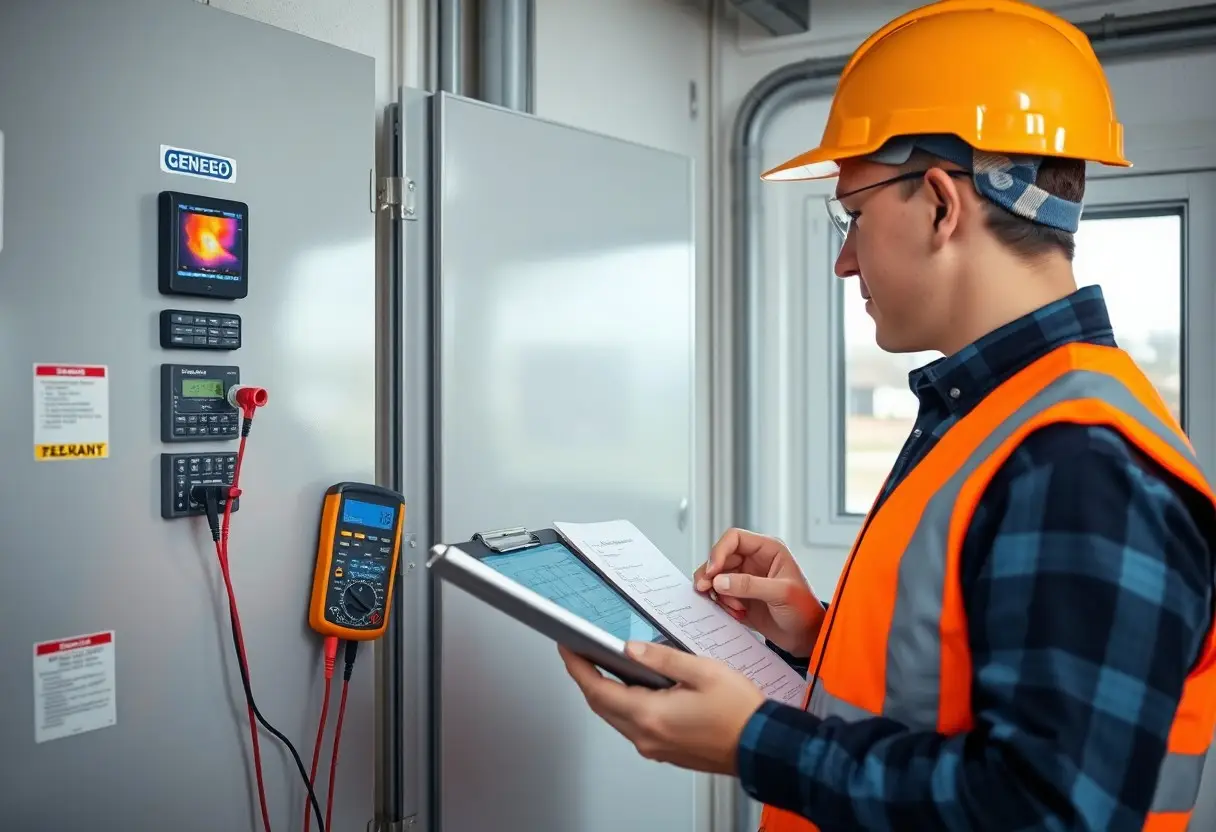
A professional inspection includes thermal imaging to reveal hotspots, clamp-meter load testing under real conditions, and insulation/continuity checks for feeders and neutrals. Inspectors will log voltages, imbalance, and neutral-to-ground readings, then run a simulated peak load-for example verifying a 200A service remains below ~160-180A under heavy use. You receive a report with photos, °F/°C temps, and prioritized repairs so you know what to fix first.
Davenport code, permits, and documentation to expect
In Davenport you must obtain permits for panel replacements, service upgrades, and major rewiring, with inspections scheduled through the city building department before final power reconnection. Expect to submit load calculations, single-line diagrams, and manufacturer labels for new equipment; permits will reference the adopted NEC edition, so confirm current code with the city. Not pulling permits can void insurance and leave you liable for unsafe conditions.
When you apply, be prepared to provide contractor license information, a signed scope of work, and a load calculation showing demand in amps; typical documents include the permit application, stamped plans, and an inspection card. Permit fees vary, commonly between $50-$300, and inspections usually require at least one rough and one final visit. Administrative review often takes about 3-7 business days, so plan your schedule to avoid delays in restoring power.
Repairs and upgrade options
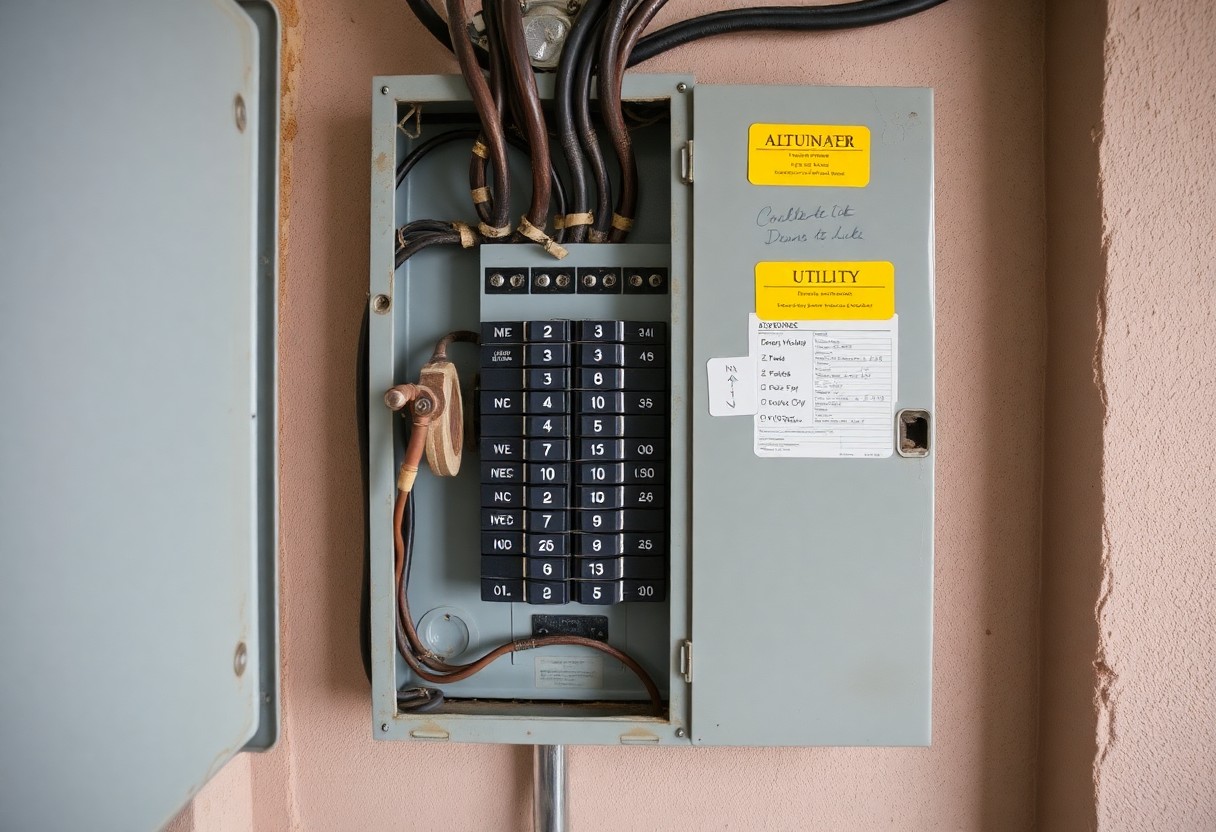
You can often fix localized issues like a single bad breaker, loose neutral, or corroded lugs with a targeted repair that takes an hour or two; however, when you see repeated nuisance trips, a hot panel face, or panels from FPE/Zinsco era, replacement is safer. Contractors in Davenport typically balance cost versus longevity, quoting repairs at $100-$400 and replacements at $1,200-$4,000 depending on service size and meter work.
When a repair is sufficient vs. when to replace the panel
If your problem is an isolated breaker failure, loose wiring, or a tripped GFCI, a repair or breaker swap usually restores safe operation. Replace the panel when it’s older than ~40 years, has visible arcing, overheating, rust, fused disconnects, or is undersized (60A-100A) for modern load demands like EV chargers or central AC. You should prioritize replacement when defects create a fire risk or code noncompliance.
Service upgrades, surge protection, and choosing a qualified electrician
Upgrading service to 200-amp capacity is the common solution when you add EV chargers, 2-3 ton AC units, or multiple high-draw appliances; whole-house surge protection (UL 1449 Type 2, 20kA+ clamping rating) protects electronics. Hire a licensed, insured electrician who pulls a permit, performs a NEC load calculation, and provides references plus a written estimate and warranty to ensure proper grounding, bonding, and inspection.
Ask prospective electricians for a documented load calculation per NEC Article 220, proof of license/insurance, recent local references, and a timeline. Expect a meter-base swap and utility coordination for a 200A upgrade, typically 4-8 hours on site and $1,500-$3,500 in Davenport. Specify a whole-home SPD at the service entrance and point-of-use protection for sensitive gear, and confirm the installer will secure permit and inspection to avoid liability and safety gaps.
Conclusion
So you should routinely inspect your electrical panel for signs of corrosion, overheating, loose connections, outdated breakers, and improper labeling; engage a licensed Davenport electrician for testing, repairs, or upgrades to ensure code compliance, improve reliability, and protect your home and appliances.