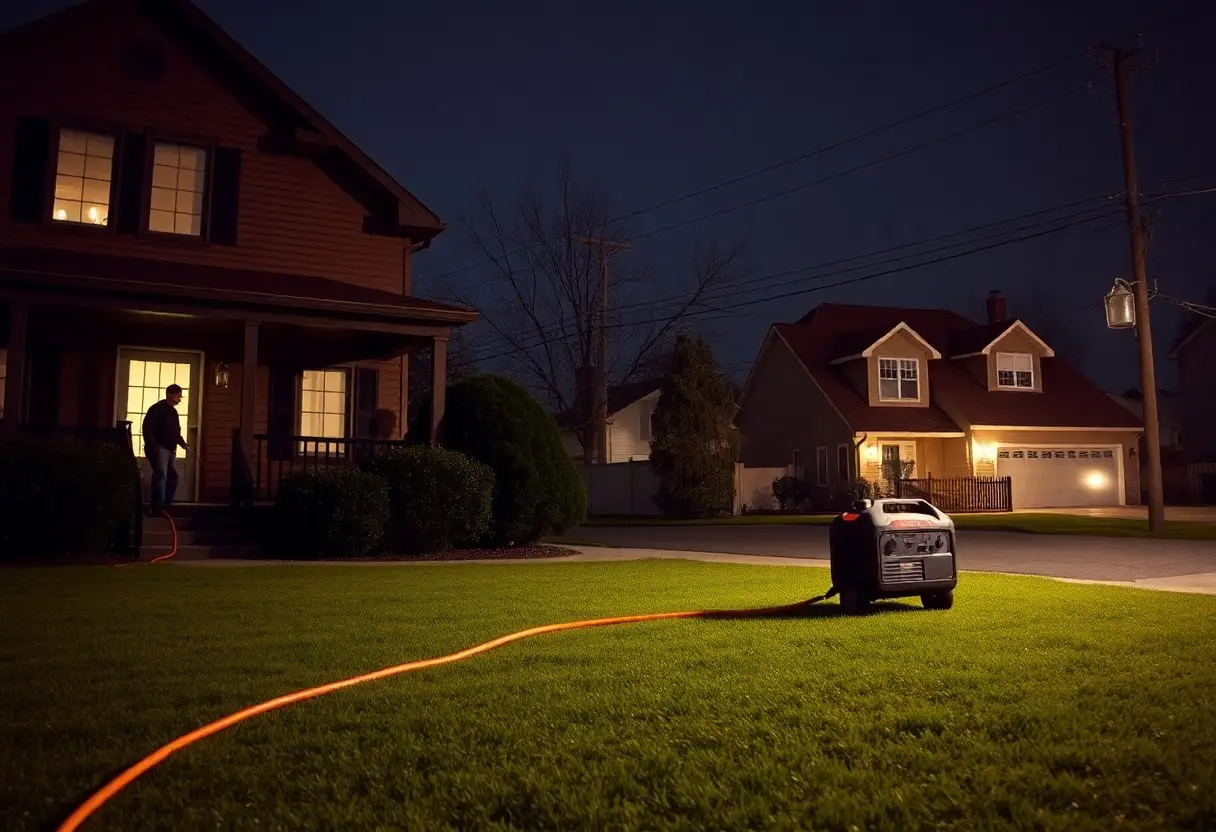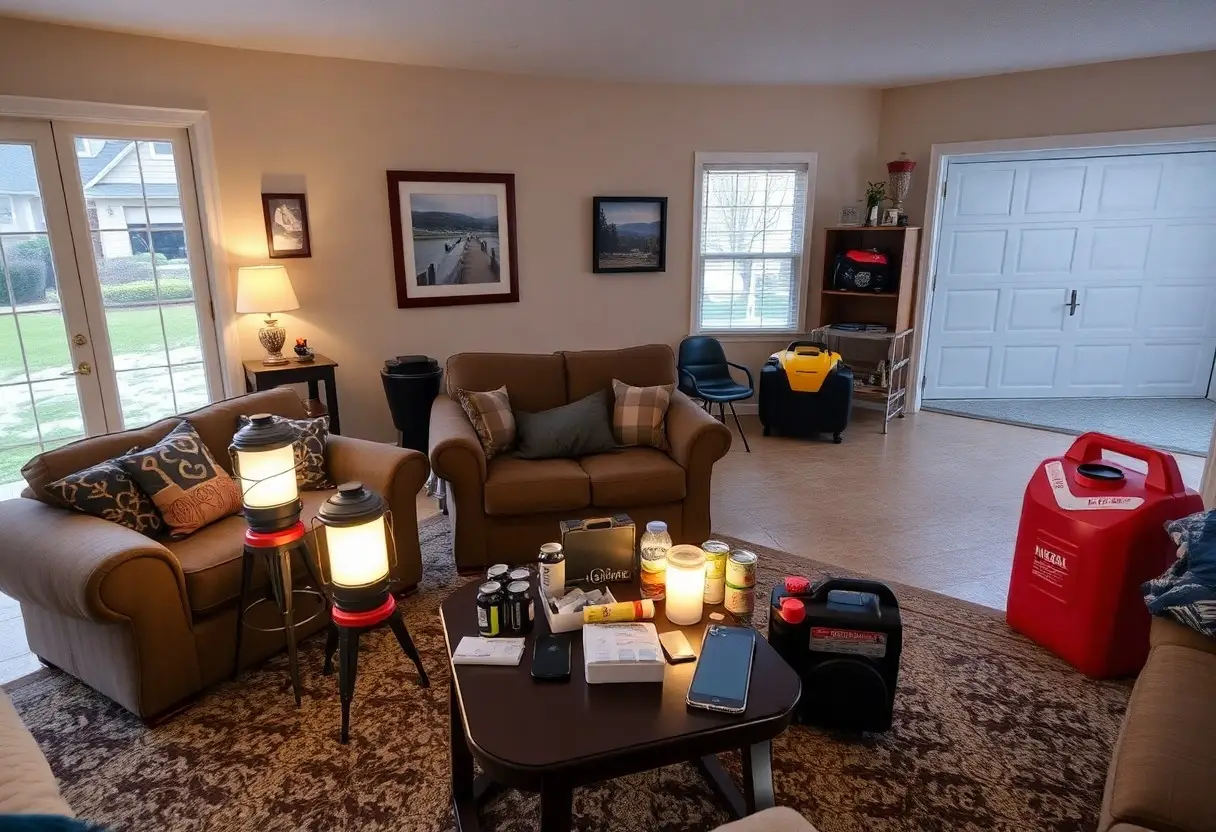
Life along the Mississippi River offers many perks, but reliable power isn’t always one of them. Storms, flooding and heavy winds can knock out electricity for hours or even days in Davenport. A standby generator keeps your fridge running, your sump pump working and your family comfortable until the grid comes back online. But how do you choose the right model? Let’s walk through the key considerations.
Know What You Need to Power
Start by listing the appliances and systems you can’t live without during an outage. Most homeowners prioritize:
- Sump pump and basement dehumidifier
- Refrigerator and freezer
- Furnace or air conditioner
- Medical devices
- Basic lighting and outlets
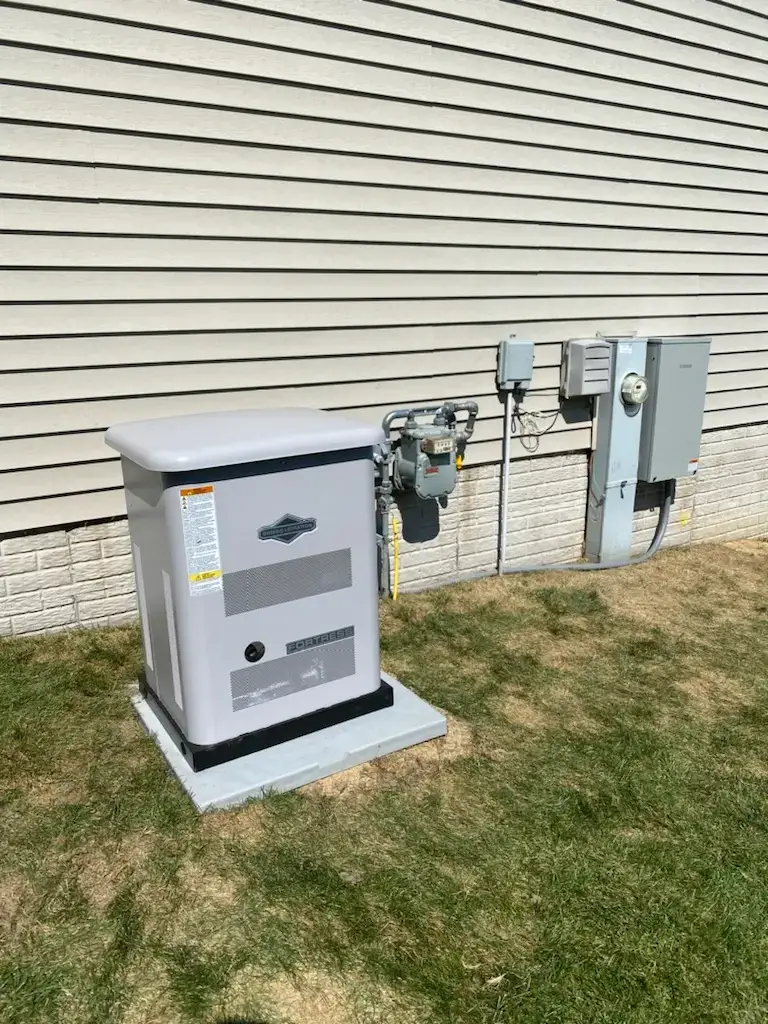
Small portable generators can handle a few items but require manual setup and fuel storage. A whole‑house standby generator, installed outside your home like an air‑conditioning unit, kicks on automatically and can power everything you choose.
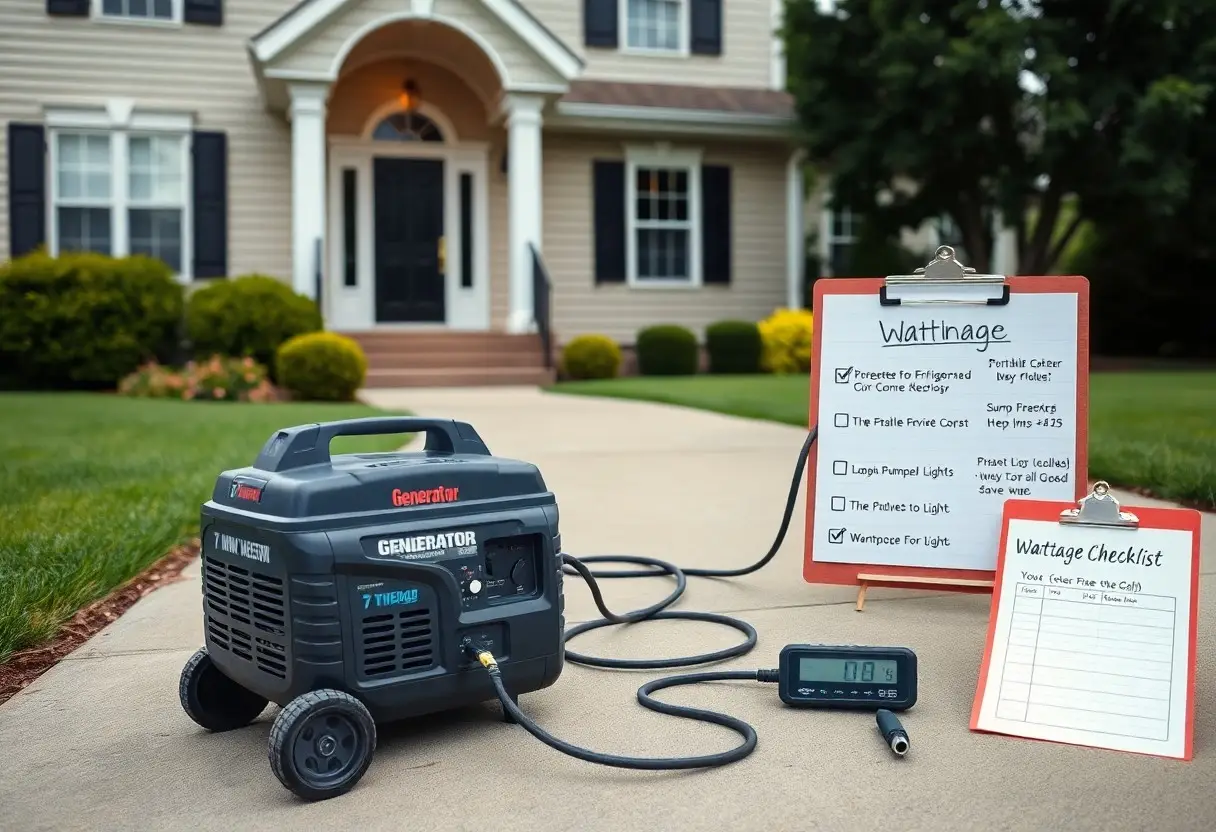
Determine the Right Size
Generators are rated by wattage. To estimate the size you need, add up the starting wattage of your must‑have appliances (often 20–30 % higher than running wattage). For example, a refrigerator might need 1,000 watts at start‑up but only 700 watts to run. Your HVAC system could require several thousand. A typical three‑bedroom home in Davenport might need a 7–10 kW generator for essentials or a 14–20 kW model for whole‑house coverage.
Don’t guess—an electrician can perform a load calculation to match the generator to your actual needs. Choosing a unit that’s too small will trip breakers; buying one that’s oversized wastes fuel and money.
Fuel Options: Natural Gas vs. Propane
In many Davenport neighborhoods, natural gas lines are available. A natural gas standby generator hooks into that supply, so you don’t have to worry about refilling tanks. If your home uses propane or is in a rural area, a propane‑fueled generator is a good alternative. The right choice depends on availability and cost in your area.
Plan for Professional Installation
A standby generator isn’t a DIY project. It requires:
- Site preparation: A concrete pad to support the unit and maintain proper clearance.
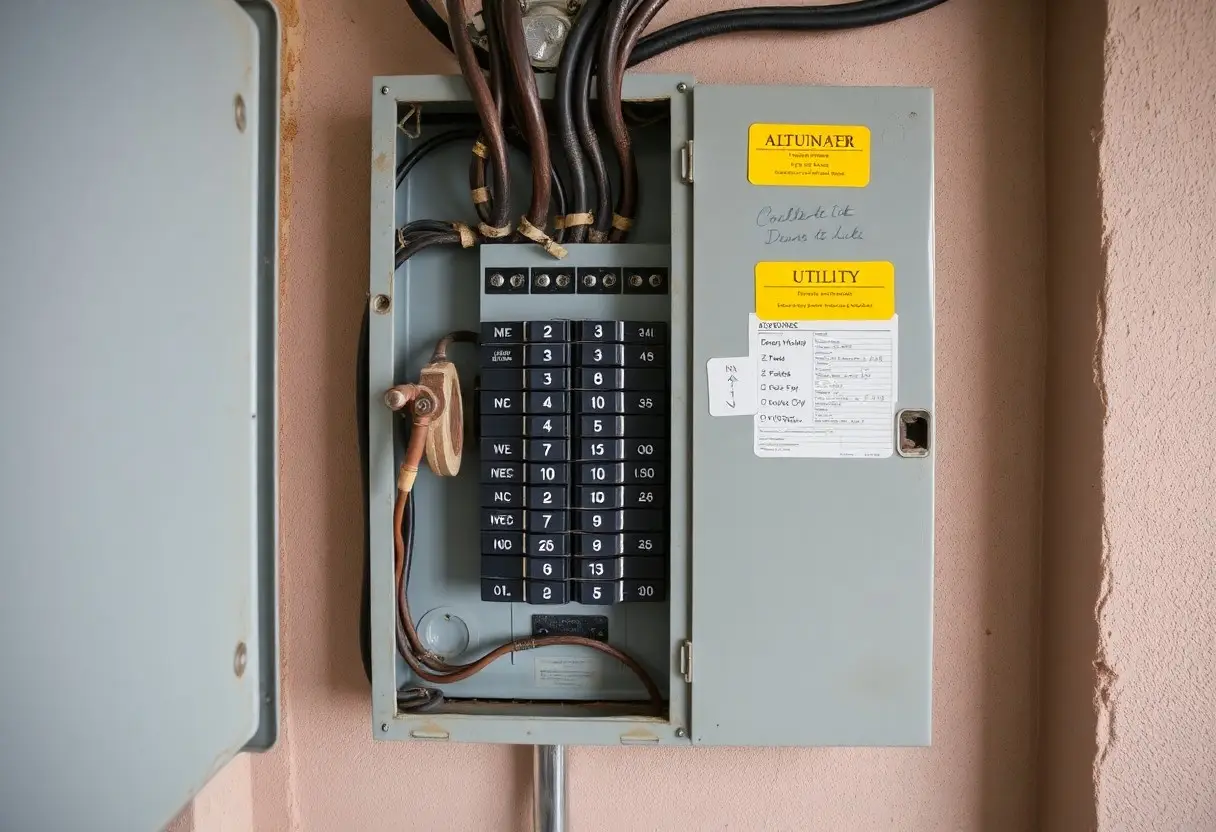
- Electrical work: Installing a transfer switch that safely disconnects your home from the grid during an outage.
- Gas piping: Connecting to your natural gas line or propane tank.
- Permits and inspections: Davenport may require permits and inspections to ensure safe installation.
Working with a licensed electrician ensures the job meets local codes and keeps your family safe.
Don’t Forget Maintenance
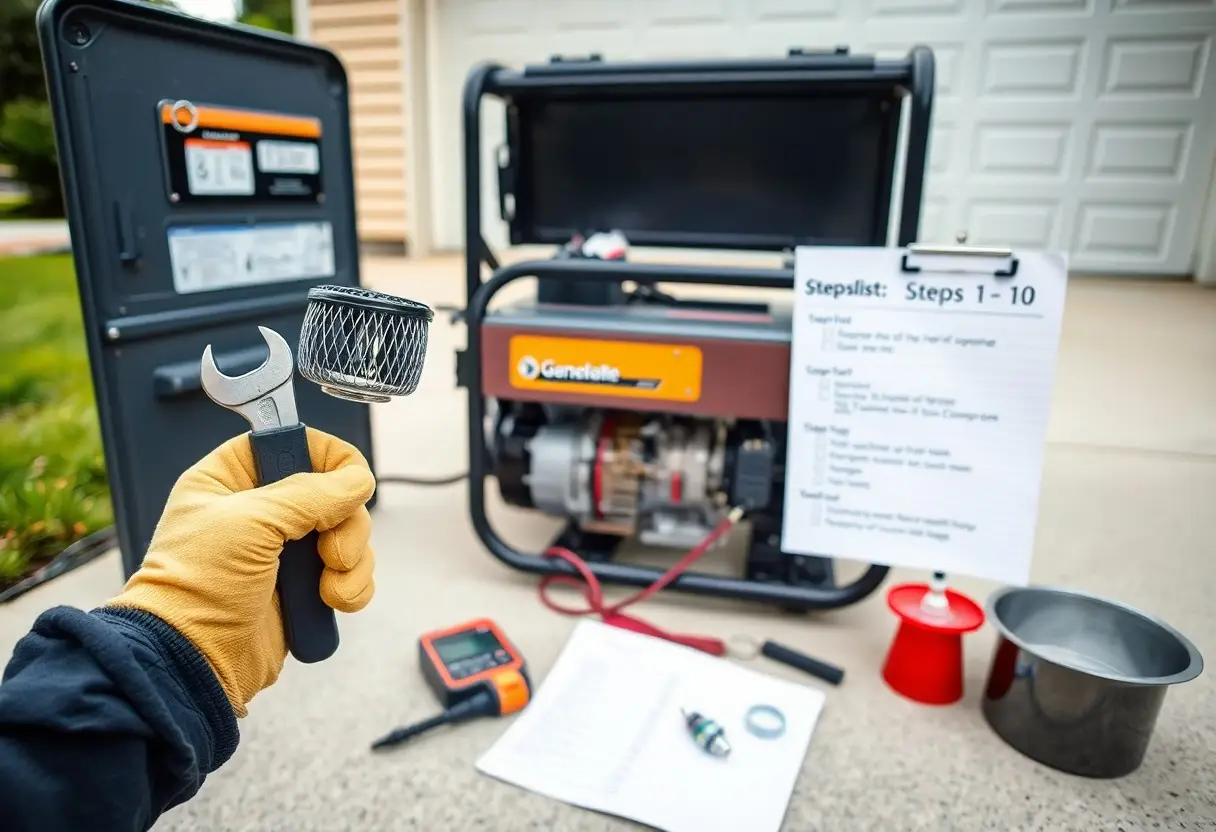
Like any engine, generators need regular care. Routine tasks include changing the oil, replacing filters, checking battery voltage and running the unit under load. Many modern models perform automatic self‑tests, but annual service by a qualified technician will catch issues before they cause a failure.
Ready to Keep the Lights On?
Investing in a standby generator gives you peace of mind through Iowa’s storm season and beyond. If you’re ready to explore options or have questions about the right size for your Davenport home, contact Blackhawk Electric for a free in‑home assessment. We’ll help you choose a generator that fits your needs, handle the installation, and provide ongoing support so you’re never left in the dark.