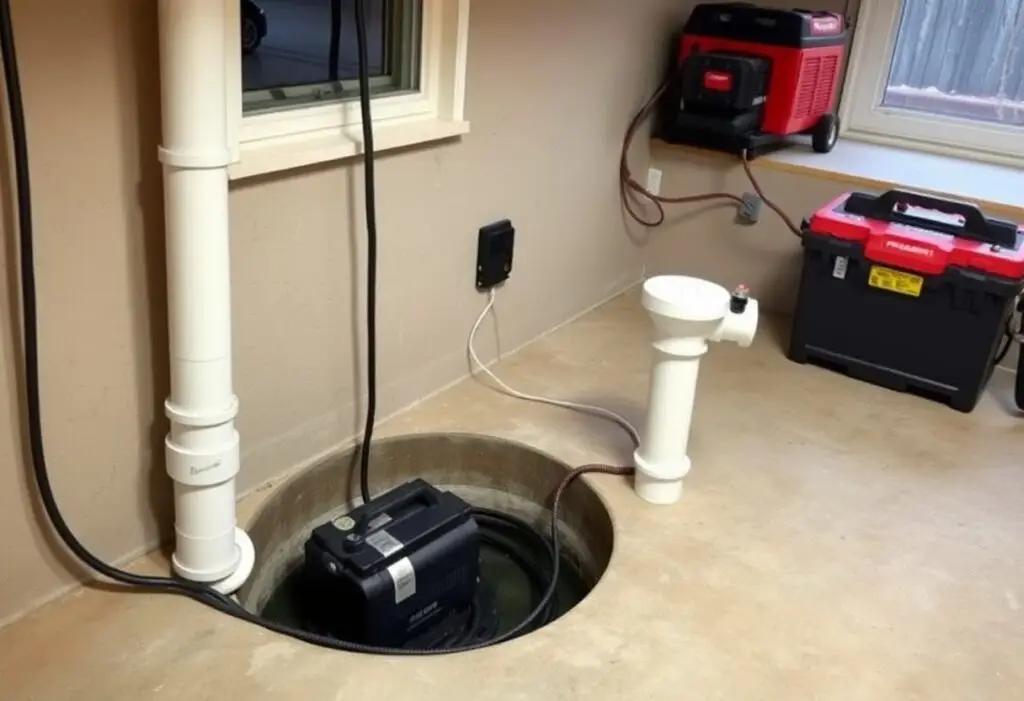
Most of the time you can keep your sump pump running during outages by installing and testing a battery backup or portable generator to prevent flooding and avoid carbon-monoxide risks with proper ventilation.
Key Takeaways:
- Battery-backup systems: install a battery backup or UPS sized for your pump, test monthly, and replace batteries per manufacturer recommendations to ensure operation during outages.
- Generator or inverter: connect a portable or standby generator to the pump using a transfer switch or use a heavy-duty inverter; keep fuel/oil topped off and test the setup under load before storm season.
- Pump maintenance and redundancy: clean the sump pit and test the float regularly, add a secondary backup pump or water-powered backup, and install a high-water alarm to detect failures early.
Factors to Consider for Emergency Power Requirements
Consider load, runtime, and risk when sizing backup power for your sump pump:
- horsepower & GPH
- battery capacity or generator hours
- local flood risk & outage length
After you total required watt‑hours and worst‑case flooding, choose a safety margin.
Assessing pump horsepower and GPH needs
Check the pump nameplate for horsepower and rated GPH, then size backups to exceed peak inflow so you can prevent basement flooding during sustained outages.
Evaluating local flood risk and outage duration
Estimate your neighborhood’s flood risk, storm frequency, and likely outage lengths to determine whether short battery backups or longer‑running generators are required.
Plan for worst‑case scenarios by mapping historical flood events, drainage capacity, and municipal outage data so you can size reserves for severe flooding or extended outages, prioritize automatic transfer options, and schedule regular tests to ensure reliability.
How-to Set Up a Battery Backup System
Set the backup near the sump pit on a stable, ventilated surface so you can access the charger easily, and position components above flood level; avoid enclosed spaces to prevent hydrogen buildup.
Installing the secondary pump unit
Mount the secondary pump on a firm bracket so you can align intake height with the primary pump, secure hoses with clamps, test the float switch, and run a manual activation to confirm operation; leaks and loose fittings create flooding risk.
Connecting the deep-cycle marine battery
Connect battery cables observing correct polarity, use terminal covers, tighten clamps, and charge fully before use so you reduce risk; sparks or reversed polarity can cause fire or damage, and venting is needed to dissipate hydrogen.
Use an inline fuse within 18 inches of the positive terminal, choose proper gauge cables, mount a smart charger or isolator, and test runtime under load so you verify backup performance; fused protection prevents catastrophic battery and wiring failure.
Utilizing Portable Generators Safely
Use portable generators only outdoors, placed at least 20 feet from doors and windows, and connect your sump pump via a proper transfer switch or heavy-duty outdoor cord; you must never operate generators indoors because of deadly carbon monoxide, and keep fuel sealed to avoid fire while keeping your pump running.
Calculating necessary running wattage
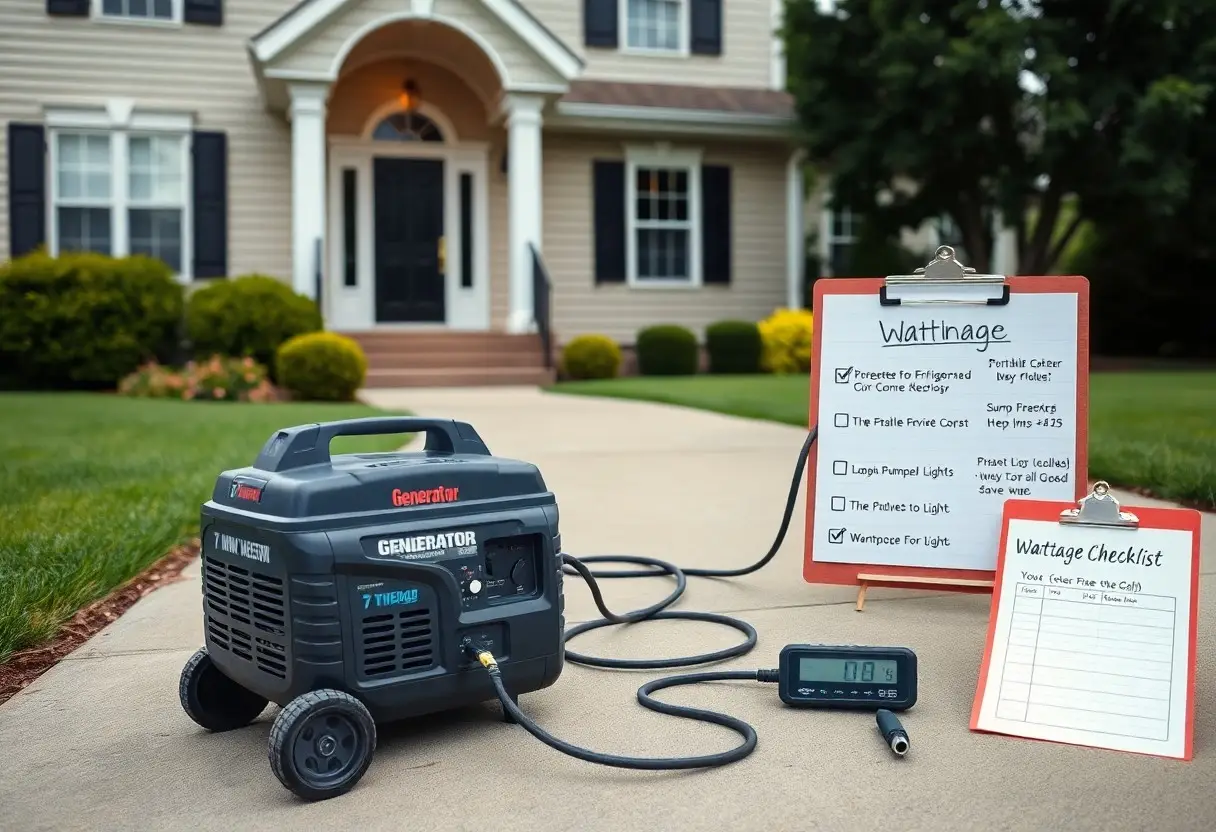
Calculate required running and starting watts by checking your pump’s nameplate and motor start rating; you must size the generator to handle the starting surge plus 20-30% headroom so you don’t overload the unit and lose power mid-storm.
Managing extension cords and outdoor placement
Position heavy-duty, outdoor-rated extension cords with sufficient gauge for your pump’s amperage, keep all connections elevated and dry, and use a portable GFCI or transfer switch to reduce electrocution risk; you must avoid makeshift splices and long, undersized runs that cause voltage drop.
Protect connections by using cords rated for outdoor use with heavy gauge (12 AWG for most pumps; use 10 AWG for longer runs or higher-amp motors), cover junctions with weatherproof boxes, keep cords off standing water and away from traffic, secure them to prevent tripping, and you should install a GFCI protector to cut power instantly in faults that could cause electrocution.
Tips for Ensuring Backup System Reliability
Check that your sump pump has a dedicated backup battery or generator, verify float switches and wiring are secure, and inspect for corrosion or leaks. Perceiving early warning signs helps you act before basement flooding occurs.
- Test backup battery monthly
- Inspect float switch and sump pump operation
- Maintain generator fuel and start capability
Performing seasonal test cycles
Schedule seasonal test cycles by running the pump under load for several minutes, verify float and discharge performance, log results, and address anomalies so you avoid surprises during outages.
Monitoring battery charge and terminal health
Monitor your battery charge monthly with a voltmeter, keep terminals clean and tight, and replace weak cells; low voltage or corroded terminals can cause backup failure.
Inspect battery condition by checking resting voltage (≈12.6V full) and voltage under charge, and perform a load test if voltage falls below ~12.2V; clean corrosion with a baking soda solution, tighten posts, apply dielectric grease, and plan to replace batteries every 3-5 years to prevent unexpected backup loss.
Exploring Water-Powered Sump Pump Alternatives
Water-powered backup pumps use municipal pressure to operate, giving you a reliable non-electric option during outages. You must assess required water pressure (often 40-60 psi) and install proper backflow prevention to avoid contamination.
Understanding municipal water pressure requirements
Check your supply pressure and flow; many water-driven pumps need 40-60 psi and steady flow to run effectively. You can verify with a gauge or call the utility, and factor in pressure drops from other fixtures.
Integrating a non-electric discharge solution
Consider routing your discharge above grade and using a check valve and air gap to prevent backflow; you may need a dedicated drain line. Emphasize proper venting and freeze protection to avoid failure.
You should size the discharge piping to the pump’s specifications and keep a continuous slope to prevent standing water. Install an ASSE-certified backflow preventer and a check valve to eliminate cross-connection risk, and consult local codes and a licensed plumber because improper installation can cause contamination or flooding. Expect higher water use and plan for drainage and frost protection.
Professional Maintenance and Troubleshooting
Schedule regular professional inspections so you can confirm batteries, float switches, alarms, and wiring are in good condition; technicians spot wear, test backups, and replace worn parts. Finding corrosion, faulty check valves, or burned wiring means you should arrange service immediately to reduce flood risk.
Identifying signs of battery or motor failure
Check for slow starts, frequent cycling, swollen battery cases, or burning smells; these signs tell you the pump or backup may be failing. Seek service when you notice repeated failures to avoid the risk of basement flooding.
When to consult a licensed plumber
Contact a licensed plumber when pumps fail after battery swaps, float switches stick, or you see sparks or tripped breakers; they can safely isolate circuits, test wiring, and recommend replacements. Trust professionals to prevent electrocution risks and severe water damage.
If you call a plumber, ask for proof of license and insurance, request a written estimate, and confirm they offer emergency service if flooding threatens. Expect the technician to test pumps, inspect electrical connections, evaluate pump sizing, and advise on installing a code-compliant backup or generator to better protect your home.
Conclusion
Taking this into account, you should install a battery backup or generator, test float switches and alarms regularly, keep the pit and discharge clear, and store spare parts so your sump pump will operate reliably during outages.