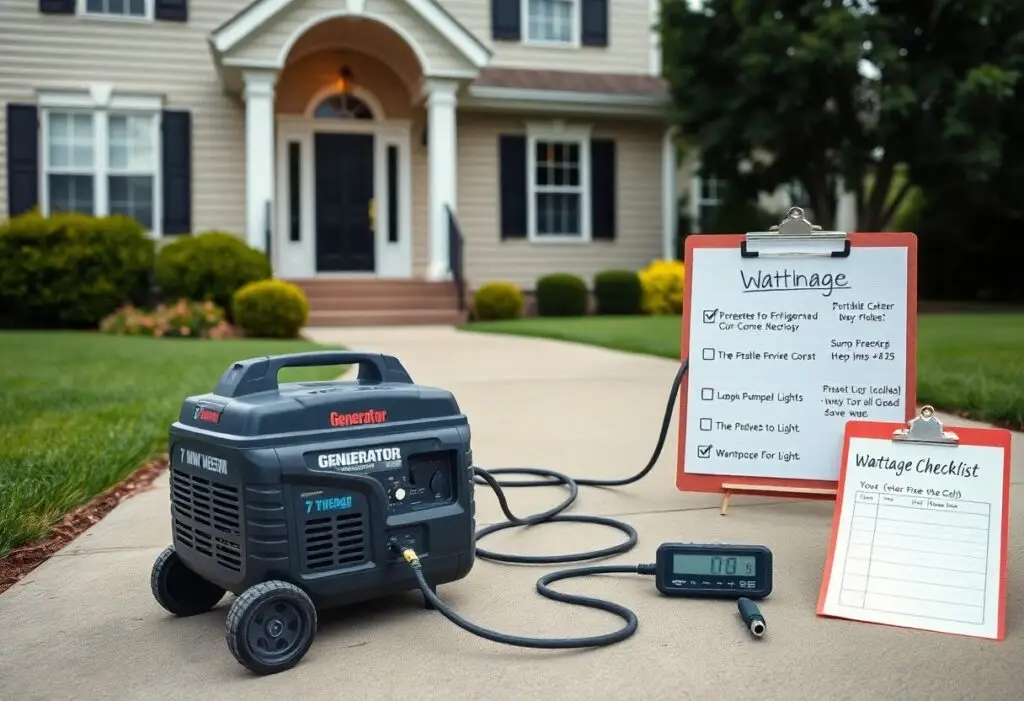
You should calculate your home’s running and starting wattage, list imperative circuits, and account for large appliances. Match that total to generator ratings and consult a professional for safe installation to avoid overloading and carbon monoxide hazards; larger units enable whole-house backup.
Determining Your Total Power Requirements
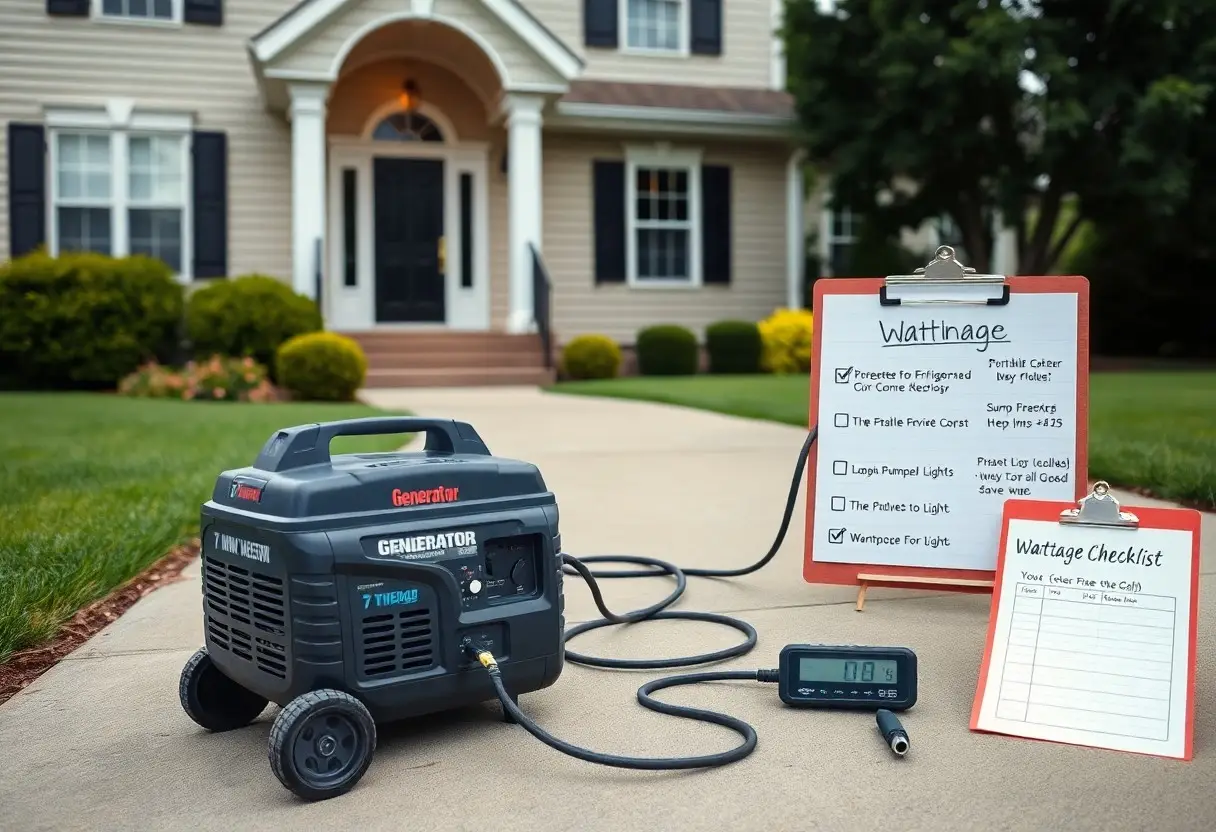
Calculate your home’s combined needs by listing each appliance’s wattage and adding a total wattage. You should include both steady draws and startup spikes to avoid overload or fire risk, and add a small safety margin so the generator runs reliably when you need it most.
Distinguishing Between Starting and Running Wattage
Understand the difference between starting wattage (brief surge for motors) and lower running wattage. You must size the generator to cover the highest surge plus continuous loads to prevent stalling motors or tripping breakers during outages.
Identifying Essential vs. Non-Essential Loads
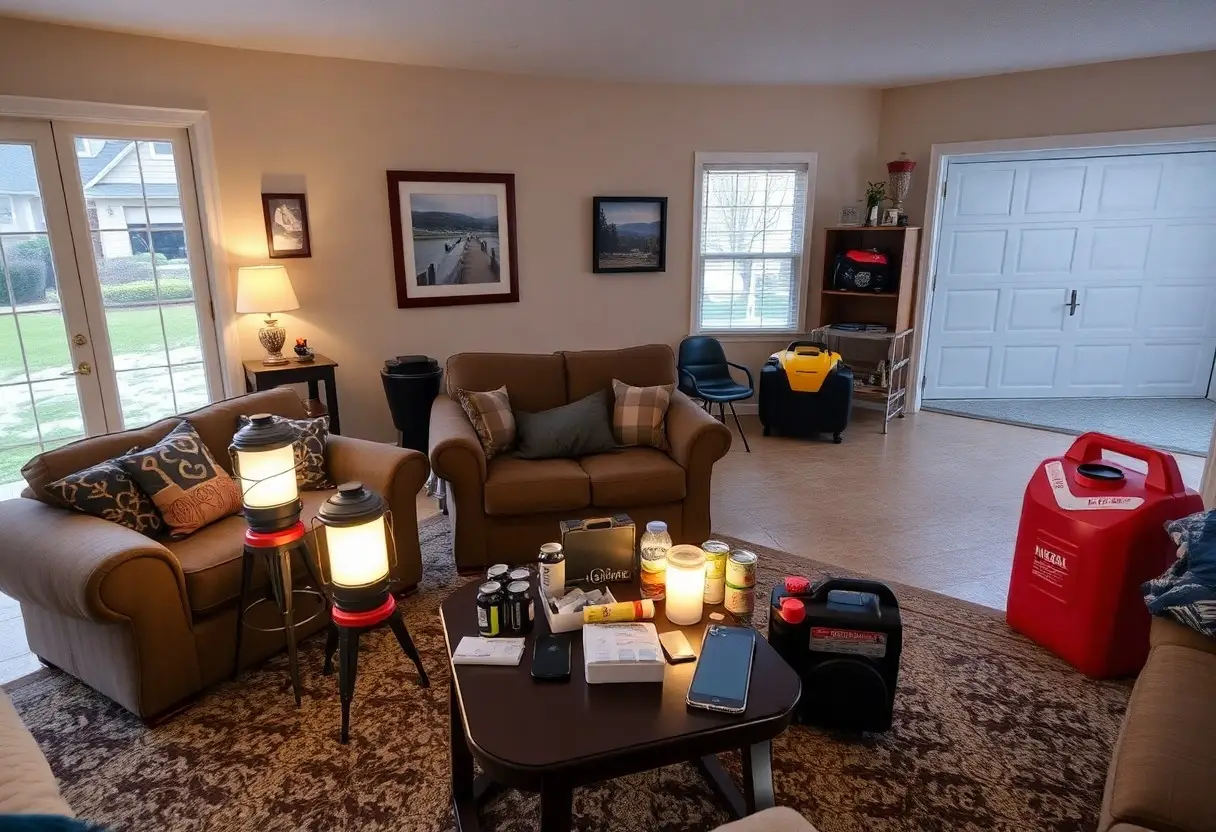
Prioritize life-sustaining and safety equipment as necessary (medical devices, fridge, furnace) and label comforts as non-necessary (pool pump, extra outlets). You pick what stays on during an outage to keep the generator sized efficiently and avoid dangerous overloads.
Separate loads by priority and list each with its running and starting wattage; note that motors (HVAC, well pumps) can need 2-3× their running watts to start. Add a 20-25% safety margin, avoid combining high-start appliances on one circuit, and if you doubt numbers, consult a licensed electrician to prevent damage or fire.
Categorizing Generator Capacities by Use Case
Sizing generator capacities by use case helps you match needs: small portables (1,000-3,000W) run basics, mid-range inverters protect electronics, and large standby units (10,000W+) supply whole homes; perform a load calculation to avoid overloading and choose capacity that maximizes reliability.
Small Portable Units for Emergency Basics
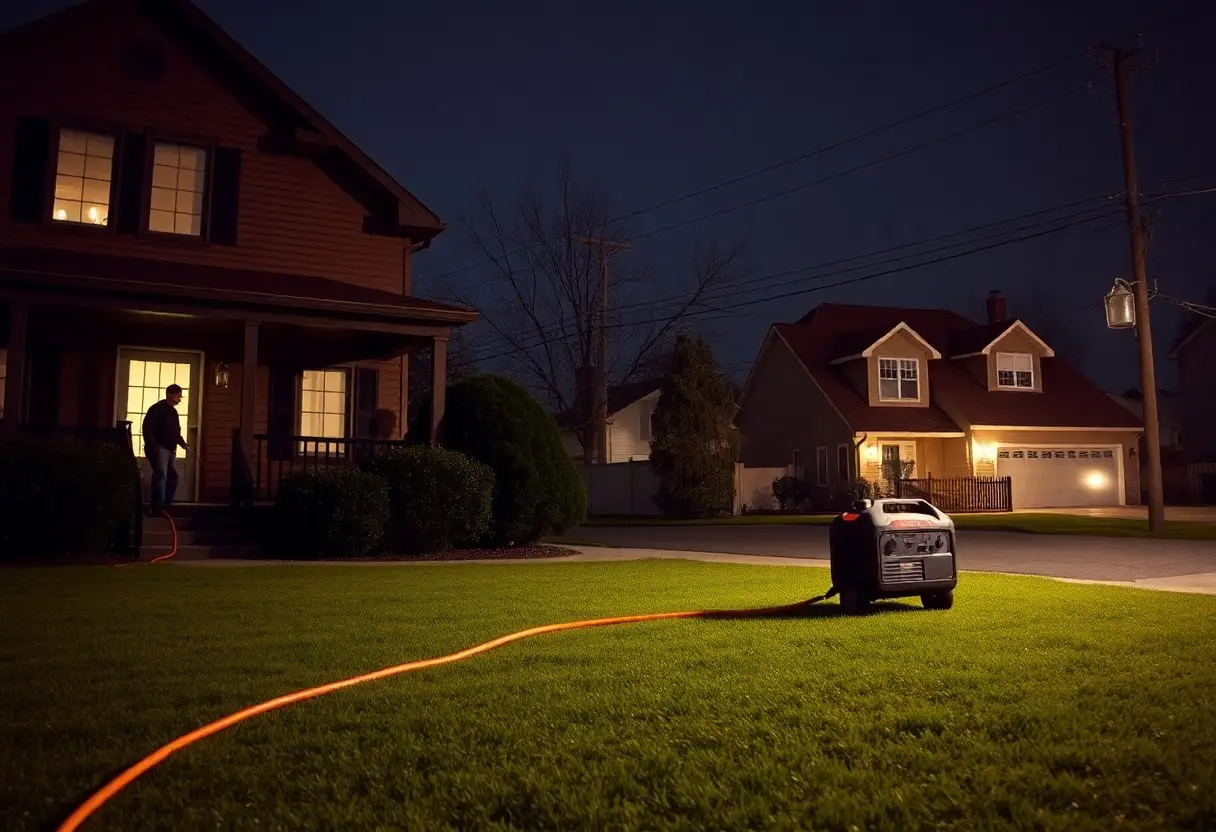
Compact portable generators (1,000-3,500W) let you power lights, a fridge, and chargers, but you must run them outdoors to prevent carbon monoxide build-up and avoid overloading circuits.
Large Standby Systems for Whole-Home Coverage
Permanent standby systems automatically start on outage, handle 10,000-20,000+ watts to run your HVAC, appliances, and medical equipment, and require professional installation and permits for safe operation.
Installation includes transfer switches, fuel hookups, concrete pads, and electrical tie-ins; you should size fuel source and generator to your calculated load and maintain a service plan to prevent failure or safety hazards.
Evaluating High-Draw Appliance Demands
Assess the combined running and starting wattage of high-draw appliances so you can avoid overload and pick sufficient generator capacity for safe, reliable operation.
Powering HVAC Systems and Well Pumps
For HVAC units and well pumps, include both running and high initial surge watts so you prevent tripped circuits and ensure continuous water and climate control you can rely on during outages.
Managing Kitchen Appliances and Water Heaters
When sizing for kitchen circuits, include peak loads from ovens, microwaves, and water heaters so you avoid nuisance trips and keep cooking and hot water available.
Calculate each appliance’s nameplate running watts and add the starting watts for motor-driven devices; you should treat tankless water heaters as high-start loads and electric ovens as sustained high running loads. Apply a realistic diversity factor for simultaneous use, and size the generator to cover combined peaks or implement load shedding via a subpanel or transfer switch. This prevents overload, tripped breakers, and dangerous back feed, while ensuring you can still cook and have hot water during outages.
Fuel Source Considerations and Efficiency
Choosing the right fuel affects runtime, maintenance, and emissions; you should compare efficiency per gallon and storage needs. Gasoline offers flexibility but shorter storage life and higher fire risk. Propane stores longer; natural gas gives continuous supply if piped.
Comparing Gasoline, Propane, and Natural Gas
Gasoline delivers strong power and easy refueling but degrades in months and carries higher fire risk. Propane burns cleaner and stores longer but requires tanks. Natural gas offers convenient continuous supply when connected to a line. Fuel Comparison
| Fuel | Notes |
|---|---|
| Gasoline | High power, easy refuel; short shelf life and higher fire risk |
| Propane | Clean-burning, long storage life; requires tanks and regulators |
| Natural Gas | Continuous supply if piped; no onsite storage, lower emissions |
Calculating Runtime and Fuel Storage Needs
Estimate runtime by dividing usable tank capacity by your generator’s hourly consumption at expected load; factor in start-up surges and extra reserve for safety, then plan storage to match.
You can compute runtime as usable gallons divided by the generator’s gallons-per-hour at your expected load; for example, a 20-gallon tank and 0.8 gal/hr use gives 25 hours. Add a 20-30% safety margin for startup spikes and inefficiencies. Store fuel in approved containers, rotate supply, and avoid long-term gasoline storage beyond months.
Essential Safety and Connection Protocols
Your generator must be installed with safe connection methods, proper grounding, and no backfeeding to protect utility workers and appliances. You should follow local codes, use qualified installers, and keep fuel stored safely away from living spaces.
The Role of Manual and Automatic Transfer Switches
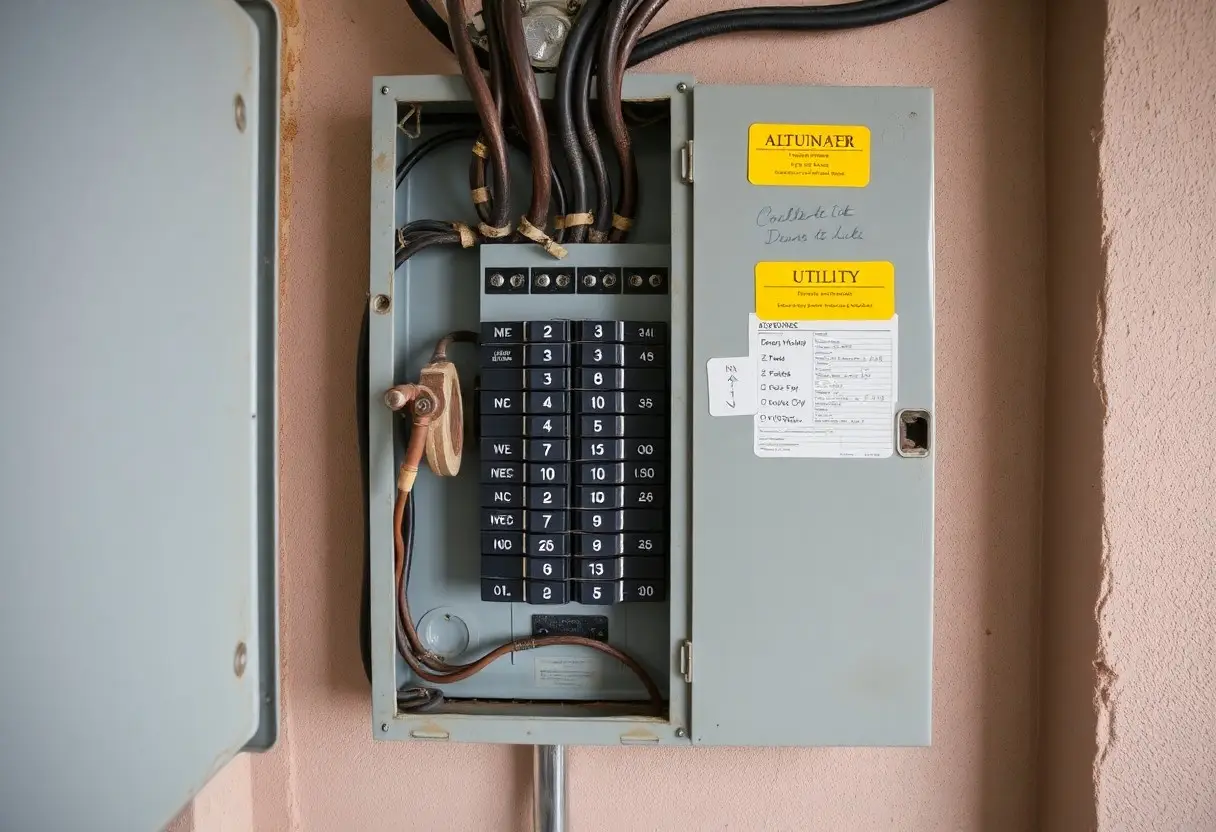
Switches isolate generator power from the grid so you avoid dangerous backfeed. You can choose manual for simpler control or automatic transfer switches to restore power to necessary circuits without delay; have a licensed electrician install and size them to match your generator and panel.
Proper Ventilation and Carbon Monoxide Prevention
Avoid running generators indoors or in attached garages; carbon monoxide is an odorless killer. You must place units outdoors, far from windows and vents, and install CO alarms on each level to protect everyone in the home.
Inspect placement to keep the generator at least 20 feet from doors, windows, and vents, pointing exhaust away from the house and any overhangs. Never operate under porches or inside vehicles; carbon monoxide can kill in minutes. You should fit battery-backed CO alarms near sleeping areas, test them monthly, and allow the engine to cool before refueling.
Professional Installation and Maintenance
Licensed installers handle proper generator placement, transfer switch wiring, and grounding so you avoid electrical fires and carbon monoxide hazards; you should schedule professional maintenance to keep warranties and safe operation.
Site Preparation and Local Building Codes
Local codes dictate pad size, setbacks, and permit requirements, so you must confirm zoning, fuel-storage rules, and required clearances; improper siting can void insurance or cause safety violations.
Routine Testing and Load Bank Procedures
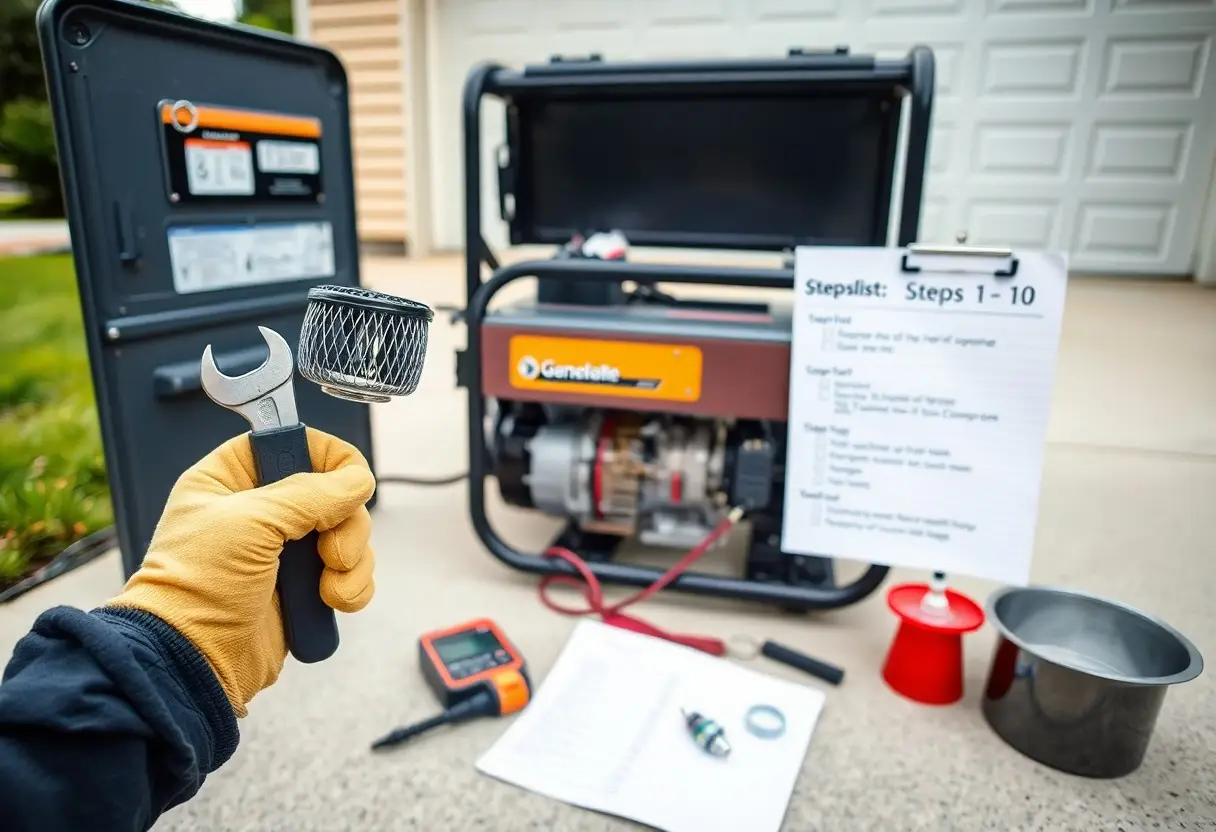
Regular testing and periodic load-banking confirm your generator runs under realistic demand; you should follow the manufacturer’s schedule, exercise the transfer switch, and use load bank cycles to prevent wet stacking and degraded performance.
During scheduled exercises you should run the generator under at least 30-50% of rated load for 20-60 minutes monthly and perform a formal load-bank session yearly or per manufacturer; you must inspect batteries, fuel filters, oil, coolant, and transfer switches, log results, and ensure proper ventilation to prevent CO buildup and equipment damage.
Key Takeaways:
- Calculate total load by adding running watts for each appliance you want to power, then include the highest starting (surge) watt for motors like air conditioners, refrigerators, and well pumps.
- Match generator ratings to your load: choose running watts equal to the total plus a 20-25% buffer, and confirm the generator’s surge watt rating covers peak starts.
- Use common sizing as a guideline: 5-7 kW for imperative circuits, 10-12 kW for most homes with HVAC, and 20-22 kW or higher for full-house standby; hire an electrician for a precise load calculation and code compliance.
Conclusion
From above you can estimate generator size by totaling crucial and optional loads, matching starting and running watts, and adding a safety margin; choose whole-house or portable models based on budget, fuel type, and automatic transfer needs, and consult an electrician to confirm sizing and safe installation.