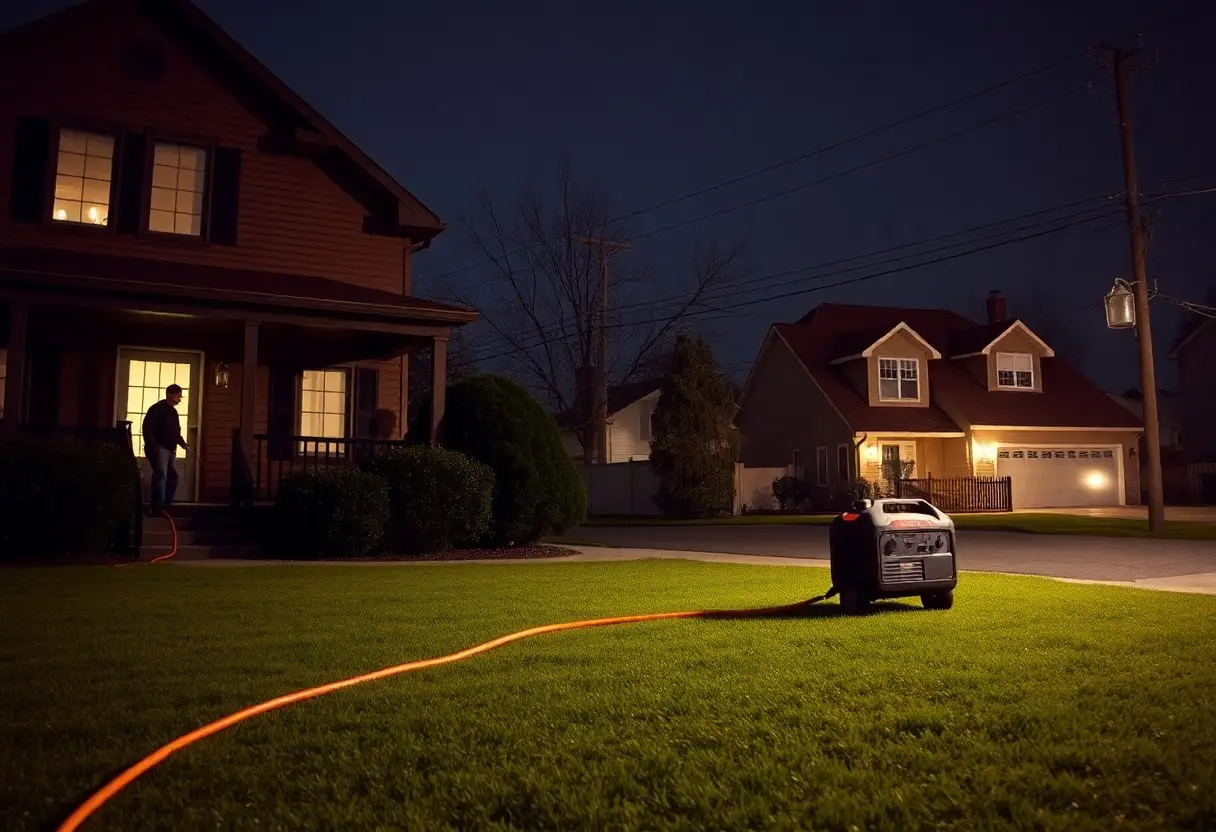
Just because your neighbor has power, you must avoid downed lines, check breakers, and call your utility; these steps protect you from electrical hazards and the neighbor’s power often indicates a localized outage you can report for swift restoration.
Immediate Assessment: Confirming an Isolated Outage
Confirm whether outage is isolated by checking breakers, lights near windows, and whether your neighbor has power; isolated outages often mean a tripped breaker, while widespread loss indicates utility issues. If you detect burning smells or sparking, avoid touching electrical equipment and call a professional immediately.
Checking your main circuit breaker panel
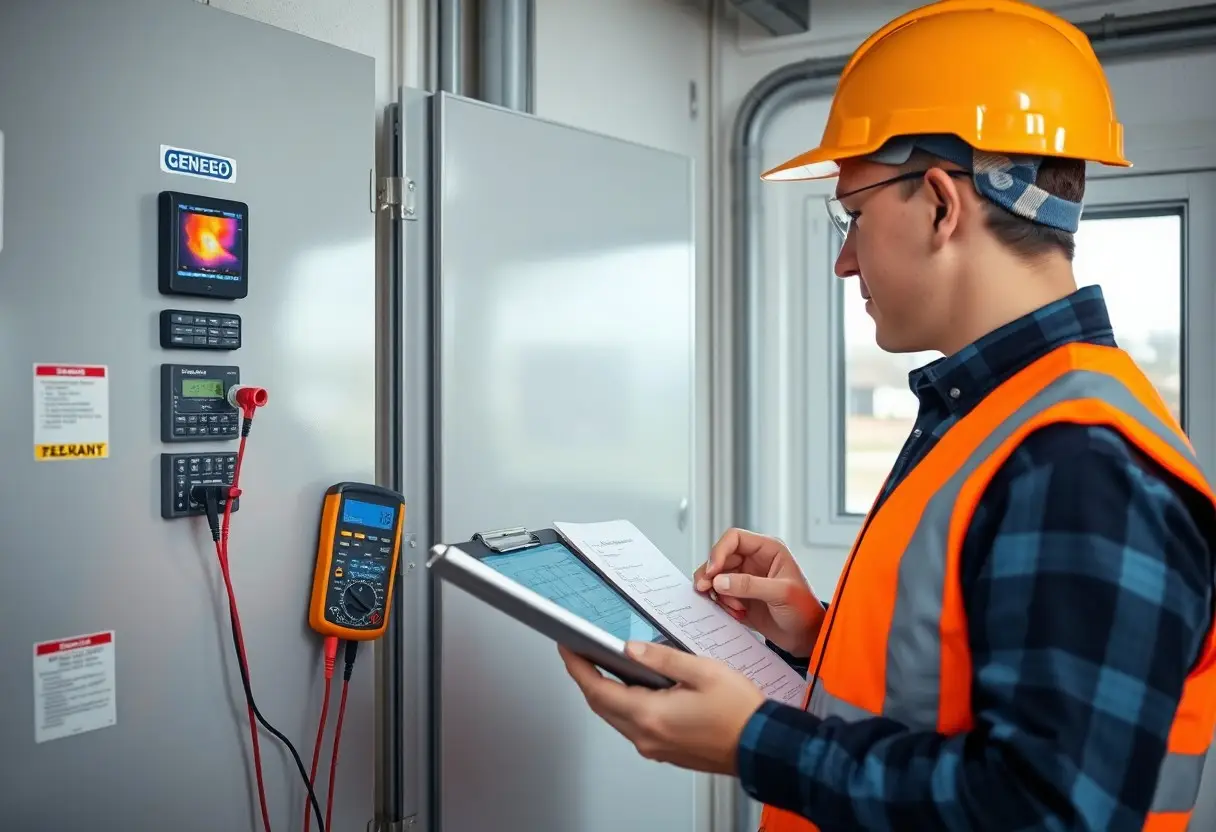
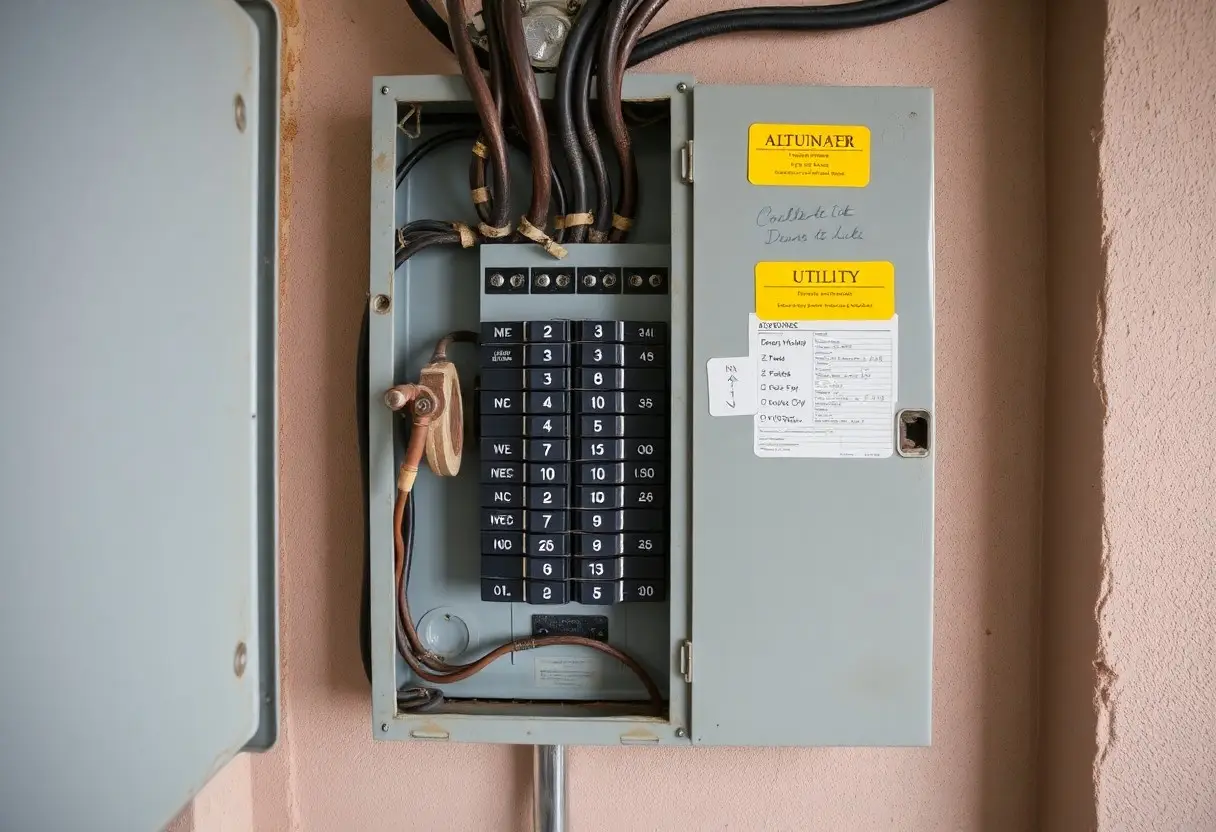
Open the panel and visually inspect for tripped breakers; flip any tripped breakers fully off then on. If the main breaker is hot, shows burn marks, or repeatedly trips, do not attempt repairs yourself and contact an electrician to avoid shock or fire risk.
Verifying power status with immediate neighbors
Ask adjacent residents whether their power is on; if a neighbor has power while you don’t, you likely have an isolated issue with your service or meter. Avoid touching outside meters; if meter or lines appear damaged, contact your utility immediately.
When you check neighbors, knock or call safely and note whether their whole house or only certain circuits are affected; check farther houses to determine a boundary. If multiple neighbors are powered, suspect your meter, service drop, or internal wiring; do not access the meter or service lines yourself. Photograph damage, record times, and report the issue to your utility so they can dispatch a technician.
Investigating Potential Internal Causes
Inspect the main electrical panel, outlets, and visible wiring for scorch marks, a burning smell, or buzzing; if you see damage or exposed wires, do not touch and call a licensed electrician immediately.
Identifying tripped breakers or blown fuses
Check the breaker box for tripped switches or blown fuses; if a breaker is off or mid-position, you can turn it fully off then back on to attempt a reset, but stop if it trips again and call an electrician.
Recognizing signs of overloaded circuits
Notice frequent flickering lights, warm outlets, or breakers that trip under load-these indicate overloaded circuits. Unplug high-draw appliances and spread loads across outlets; if issues persist, contact a professional to reduce fire risk.
You should note common causes: high-wattage devices like space heaters and air conditioners, overloaded power strips, and too many appliances on one circuit. Turning off suspect devices and moving them to other outlets can help confirm overloads. You may need to hire a licensed electrician to install dedicated circuits or upgrade the panel. Persistent heat, sparking, or repeated trips signals a fire hazard; stop using the circuit and call a pro.
Evaluating External Service Connections
Check the service drop, pole attachments, and meter base for visible issues; if you see downed wires, sparking, or burn marks, keep back and call the utility immediately.
Inspecting the service drop and weatherhead
Examine where the overhead cable meets the weatherhead and roofline; loose or frayed conductors, a cracked weatherhead, or exposed insulation indicate serious hazard-do not touch and report to the utility.
Monitoring for damage to the electric meter
Observe the meter for cracks, discoloration, unusual warmth, buzzing, or visible arcing; if you notice smoke or heat, keep everyone away and call the utility at once.
If you suspect meter damage, step back and block access; take photos from a safe distance for the utility and note the time. Do not attempt to remove the meter cover, break utility seals, or touch any exposed parts-these are live. If you smell burning or see sustained arcing, have everyone leave the property and call the utility and emergency services; utility crews will isolate the feed and arrange repairs.
Safety Procedures During a Localized Blackout
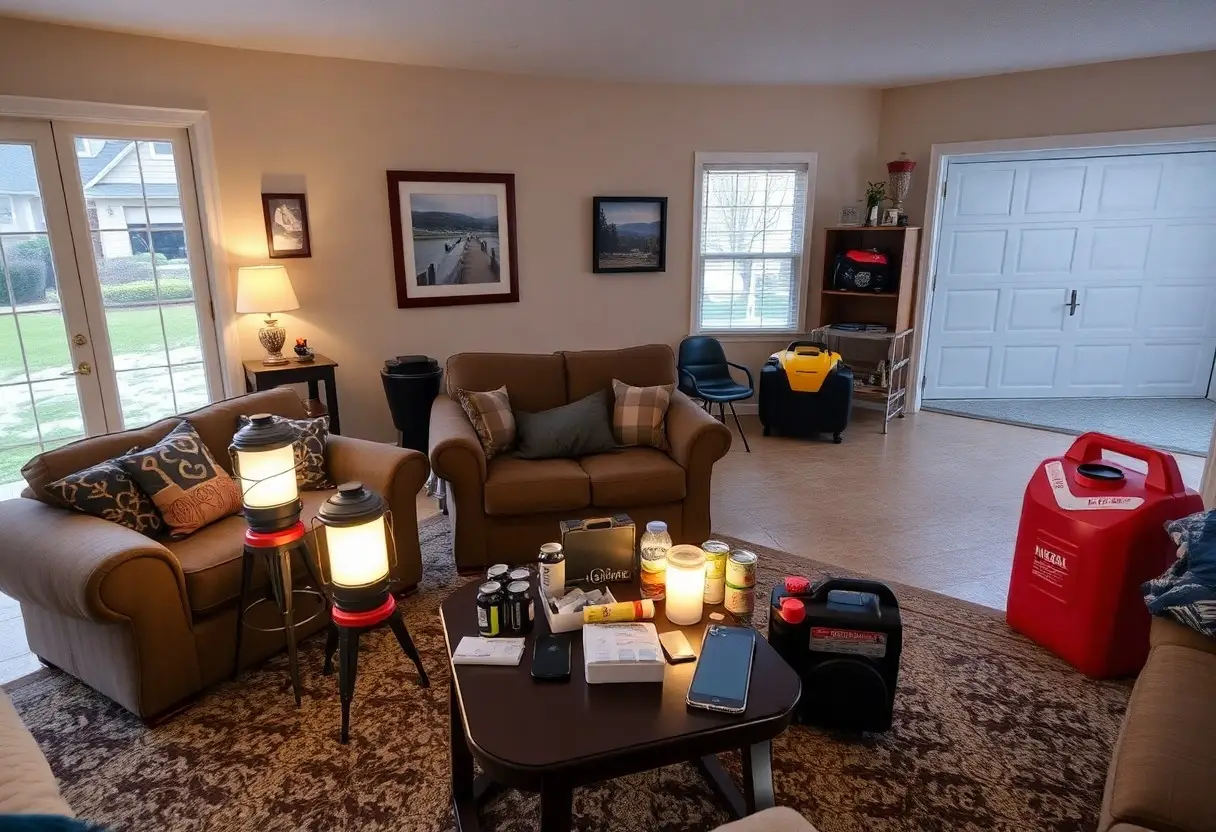
When your home loses power but a neighbor still has electricity, you should avoid open flames, unplug sensitive and large appliances to prevent surges or backfeed, keep a flashlight handy, and contact your utility to report the outage.
Protecting sensitive electronics from surges
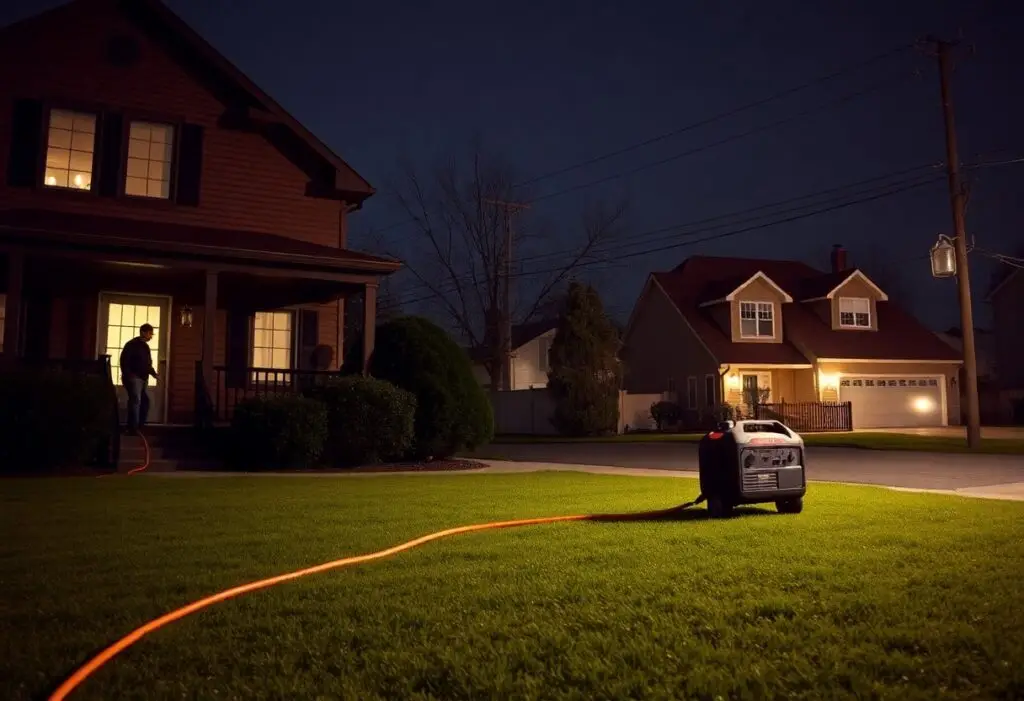
Unplug nonnecessary electronics, use quality surge protectors for necessary devices, and never connect a generator to home wiring since dangerous backfeed can harm you, neighbors, and crews.
Maintaining food safety and refrigeration
Keep refrigerator and freezer doors closed so you preserve cold; place perishable items together to slow warming, and toss food that stays above 40°F more than two hours to avoid foodborne illness.
Check refrigerator and freezer temperatures with an appliance thermometer so you know when food is unsafe; you should keep the fridge at or below 40°F and the freezer at 0°F. A full freezer typically holds safe temperatures for about 48 hours if unopened and about 24 hours if half-full; add block ice or dry ice to extend this, and discard perishables exposed above 40°F for over two hours to prevent foodborne illness.
Coordinating with Utility Providers
Contact your utility’s outage line and report that only your home is affected; note the ticket number and estimated response time. If you see a downed power line or smell burning, avoid the area and call 911 while notifying the utility.
Reporting a single-premise service interruption
Call the utility and give your exact address, meter number if available, and explain that neighbors still have power; request a ticket number and ETA. Keep devices charged and use flashlights, not candles.
Distinguishing utility responsibility from homeowner liability
Check whether the outage is on utility equipment or your service drop; the utility typically handles poles, transformers and lines, while your wiring and meter are your responsibility. Take photos of visible damage for claims.
Document anything you observe, including the service drop location and meter condition, and avoid touching equipment; if damage is on your side you may need a licensed electrician, but call the utility first because they can often confirm who is responsible and prevent unsafe work.
Professional Intervention and Future Prevention
When you suspect an internal fault while your neighbor has power, stop using circuits and call a licensed electrician; avoid touching exposed wiring or resetting breakers repeatedly. A pro identifies hidden hazards and recommends upgrades to reduce repeat outages.
Knowing when to contact a licensed electrician
You should call an electrician immediately if you see sparks, smell burning, or experience repeated tripped breakers; these signs mean potential fire risk. For non-urgent issues, schedule an inspection to pinpoint causes before damage spreads.
Key Takeaways:
- Inspect your home’s breaker panel, main disconnect, and exterior meter; reset any tripped breakers and check GFCI outlets or blown fuses.
- Contact your electric utility or check their outage map to report the issue and confirm whether the outage is isolated to your service.
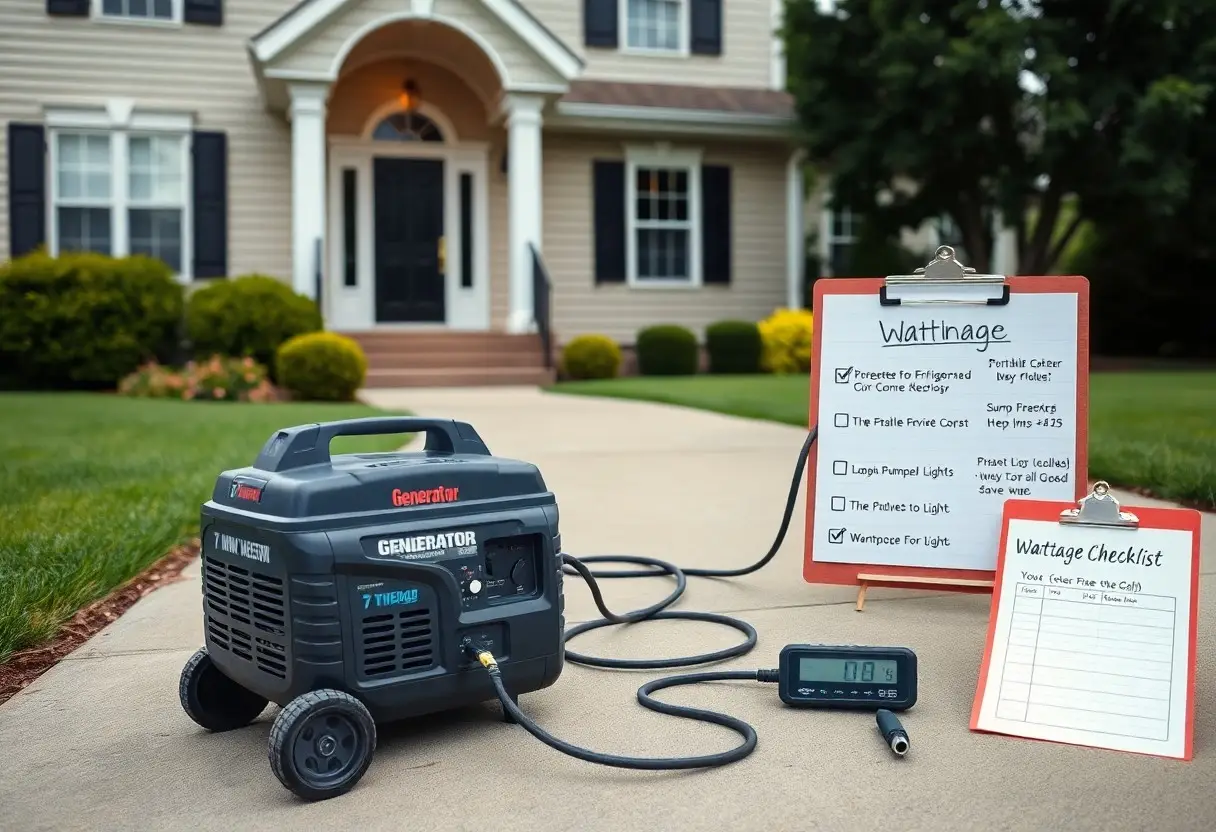
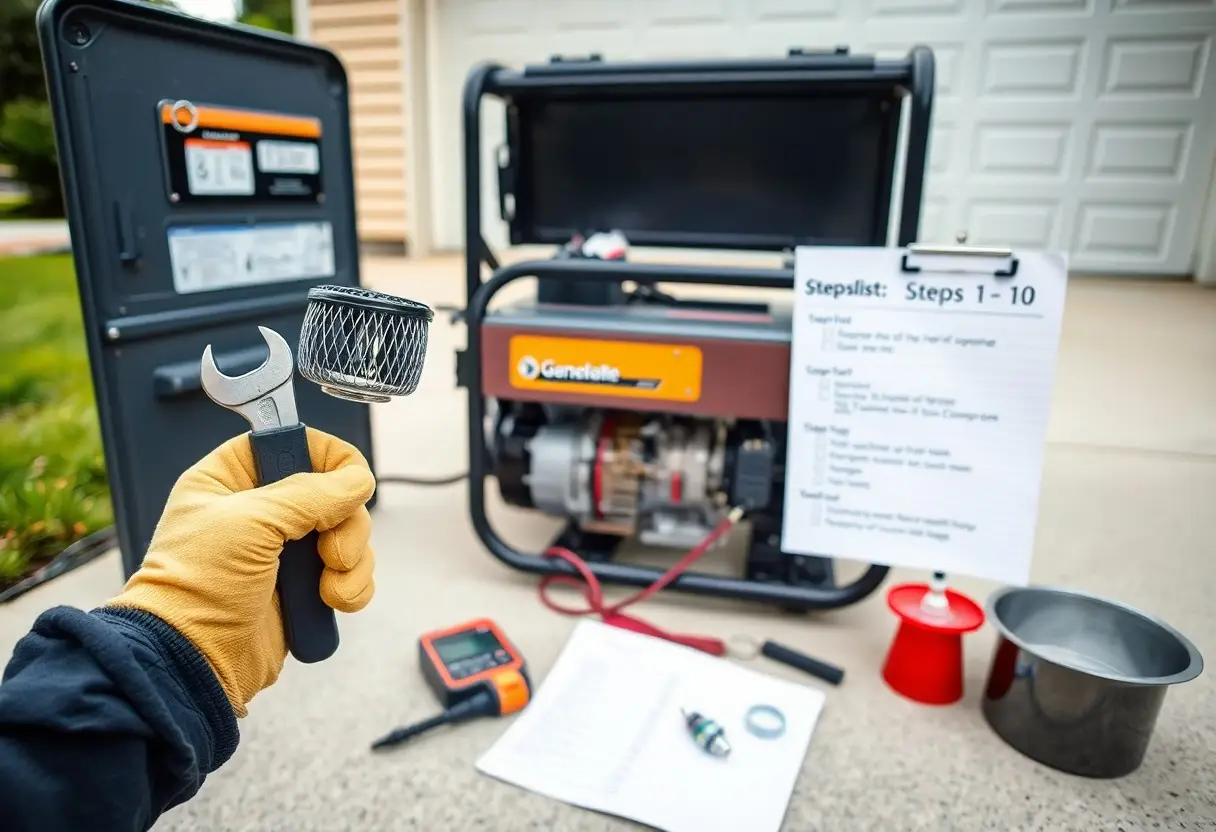
- Turn off and unplug major appliances and electronics, and use a portable generator only outdoors with proper grounding and a transfer switch to prevent dangerous backfeed.
Implementing surge protection and routine maintenance
Install whole-house surge protection and use quality outlet protectors; schedule annual electrical inspections to catch wear, corrosion, or loose connections before they cause outages or electrical fires. Keep records of maintenance and upgrades.
Regularly inspect and test surge devices: have a licensed electrician install a whole‑house surge protector at your service panel and add quality point‑of‑use strips for sensitive gear. Ask the electrician to verify proper grounding, tighten connections, and replace aging breakers or damaged wiring. Plan inspections every 1-3 years and after storms to lower outage risk and costly equipment damage.
Conclusion
As a reminder, you should first check your main breaker and meter, call your utility to report an outage, avoid downed lines, unplug sensitive electronics, use flashlights and a generator only with proper ventilation and a transfer switch, and conserve refrigerated food until power is confirmed restored.