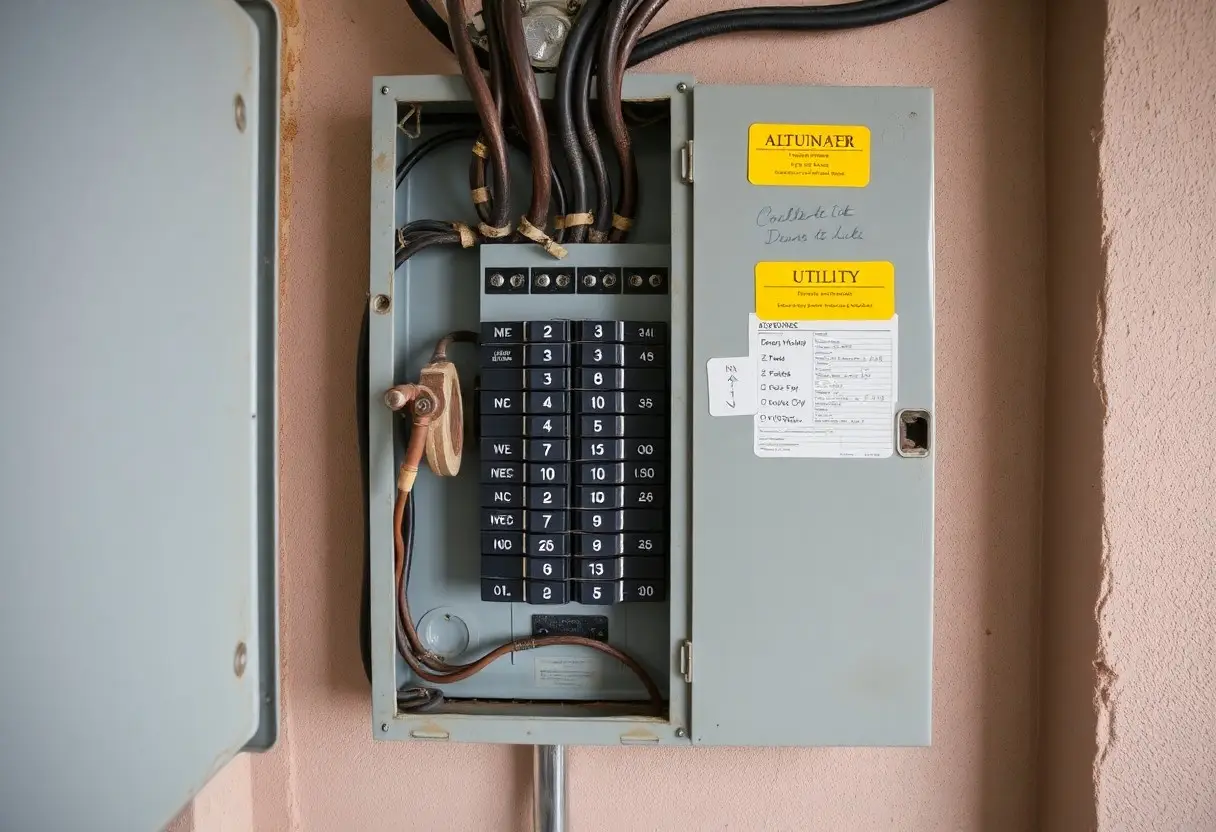
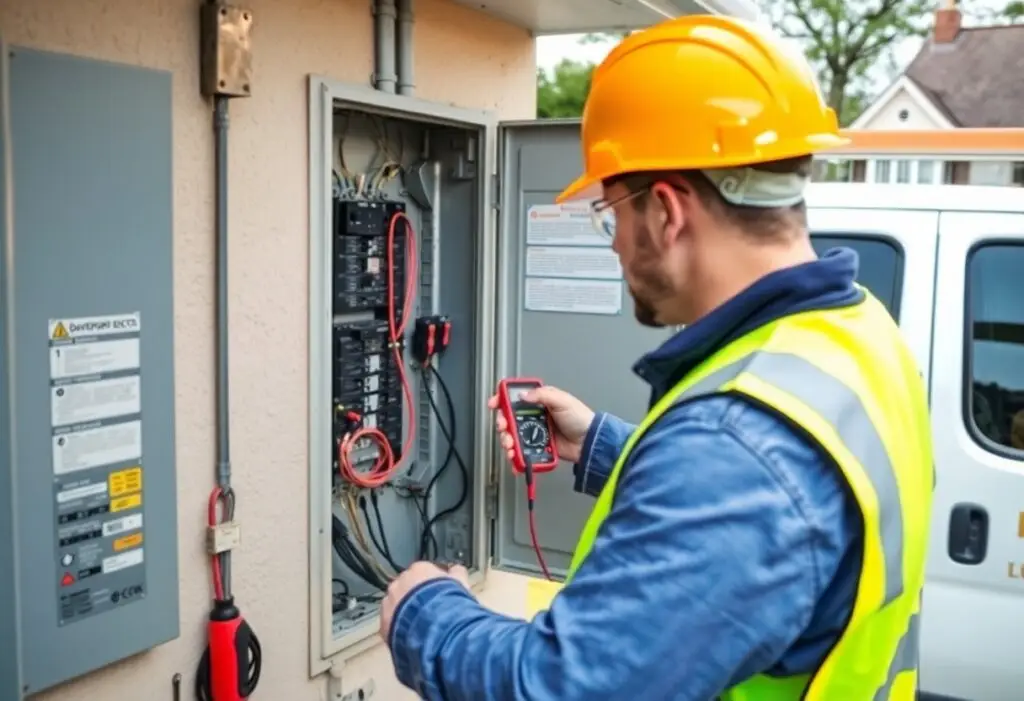
It’s important that you address electrical issues in Davenport promptly because delaying can create fire and shock hazards, increase repair costs, and risk damage to your home and devices. By calling a licensed electrician you protect your family and property, restore safe operation, and often save money over time; fast professional repair prevents escalation and ensures code-compliant solutions that keep your home reliable.
Immediate safety risks of delayed repairs
When you put off fixes, small faults escalate quickly: loose connections produce arcing and sparks, overloaded circuits heat insulation, and moisture accelerates corrosion behind walls. In many cases a single neglected outlet or breaker that trips repeatedly precedes a house fire or a dangerous shock within weeks, not months. Addressing symptoms right away cuts the window for catastrophic failure and limits both injury risk and repair costs.
Fire and electrocution hazards
Faulty wiring, damaged cords, and outdated panels increase the chance of arcing faults that ignite insulation; those faults can occur on standard 120-240V circuits and deliver life‑threatening shocks. You can reduce risk with AFCI and GFCI protection-GFCIs detect leakage currents in the ~5-30 mA range and trip in milliseconds-yet those devices only protect you if installed and working.
Risks to occupants and property damage
Smoke inhalation, burns, and traumatic injuries are immediate threats when electrical faults evolve into fires; smoke alone accounts for most fire fatalities, and you may have less than minutes to escape once a concealed wire ignites. Delays also let damage spread to framing, HVAC, and personal property, turning a repairable fault into a major loss.
Hidden overheated wiring often smolders inside walls before visible flames appear, so by the time you see smoke or a burning odor the fire can already involve structural timber and insulation. Insurance claims for electrical-origin fires frequently run into the thousands to tens of thousands of dollars, and displaced occupants face short‑term housing, loss of valuables, and potential long‑term health effects from smoke exposure-so quick assessment and repair protect both people and your finances.
Legal, code and insurance implications
When you delay electrical repairs in Davenport you increase the chance of running afoul of local ordinances and insurance rules; Davenport enforces the National Electrical Code through local permitting and inspection, so unpermitted or noncompliant work can trigger fines, stop-work orders, and insurance problems that outweigh repair costs. Contractors and inspectors will flag DIY fixes during resale or claims, turning a small wiring issue into a legal and financial headache.
Davenport codes, permits, and compliance
You’re required to obtain permits for most new circuits, service upgrades, panel swaps, and substantial rewiring in Davenport, and every permit typically requires at least one inspection before concealment and a final sign-off. Failure to pull permits can force you to reopen finished work, pay re-inspection fees, and face administrative fines; having permits and inspection records protects you during sale, refinancing, and liability reviews.
Insurance claims, liability, and denial risks
Insurers commonly investigate electrical origins for fires and water-damage-related shorts; if your wiring is found noncompliant or unpermitted, claims can be reduced or denied and you may be personally liable for third‑party injuries or neighboring property damage. Hiring licensed electricians and keeping permit records significantly reduces the chance an adjuster will contest coverage or seek recovery from you.
In practice you’ll face an adjuster’s review requiring documentation such as permits, contractor invoices, photos, and inspection reports; lacking these, companies often classify losses as foreseeable or excluded. For example, an unpermitted panel modification tied to a fire frequently leads to full claim denial and exposure to repair and liability bills that can exceed tens of thousands of dollars, plus potential complications when selling the home.
Financial consequences
Escalating repair and emergency costs
You’ll pay far more later: a simple outlet fix is typically $75-$200, while an after‑hours emergency call can add $150-$400. Minor issues left alone often escalate into panel failures or full rewiring, which commonly range from $3,000-$12,000. In a local case, a neglected short caused a house fire with over $50,000 in damage-insurance gaps and deductibles can leave you covering tens of thousands out of pocket.
Impact on home value and resaleability
You risk lower offers and stalled sales when inspections find electrical defects; appraisers and lenders frequently flag outdated panels or knob‑and‑tube wiring, and buyer offers can drop an estimated 5-10%. On a $250,000 home, a 5% hit equals about $12,500. Disclosures of unpermitted or unsafe work often force repairs before closing, which increases costs and delays your sale.
Inspections commonly note overloaded breakers, aluminum wiring, or missing grounds that must be corrected to meet code. Replacing a panel averages $1,000-$4,000, while grounding, permit fees, and contractor labor can push totals higher. Buyers may demand seller-paid repairs or credits, or simply walk away, leaving you with extra listing time and carrying costs that quickly add up.
Energy efficiency and system performance
Higher utility bills from faulty wiring
Faulty wiring and loose connections cause voltage drops and phantom loads that make your equipment run harder, often raising bills by 10-30%. You might notice lights dimming when the HVAC kicks on or unexplained spikes on monthly statements. An electrician can identify corroded terminals, shared neutrals, or undersized feeders that explain sudden bill jumps and correct them before you pay more each month.
Shortened lifespan of appliances and HVAC
When voltage fluctuates or circuits overheat, your appliances and HVAC components face stress that shortens lifespans; compressors, motors, and control boards can fail 30-50% sooner. You’ll incur repeated repair costs and earlier full replacements, and small faults like loose neutrals can precipitate catastrophic motor burnout. Prompt electrical repairs help preserve warranties and keep systems running as intended.
For example, repeated voltage spikes or a failing start capacitor often lead to AC compressor failure, with replacements typically costing $1,200-$3,000. You should install whole‑home surge protection, tighten connections annually, and have an electrician measure voltage under load; those steps frequently add years to equipment life and prevent the high-cost failures that follow neglected wiring problems.
Identifying problems early
When you spot small anomalies-flicker, odd noises, or an unexplained spike in your bill-act quickly; a sudden 10-20% increase in energy use often signals a hidden fault. Check visible outlets, switches, and the breaker panel for discoloration or warmth, and log incidents so patterns emerge. Early detection lets you book repairs before a minor fault turns into a fire risk or costly replacement.
Common warning signs to watch for
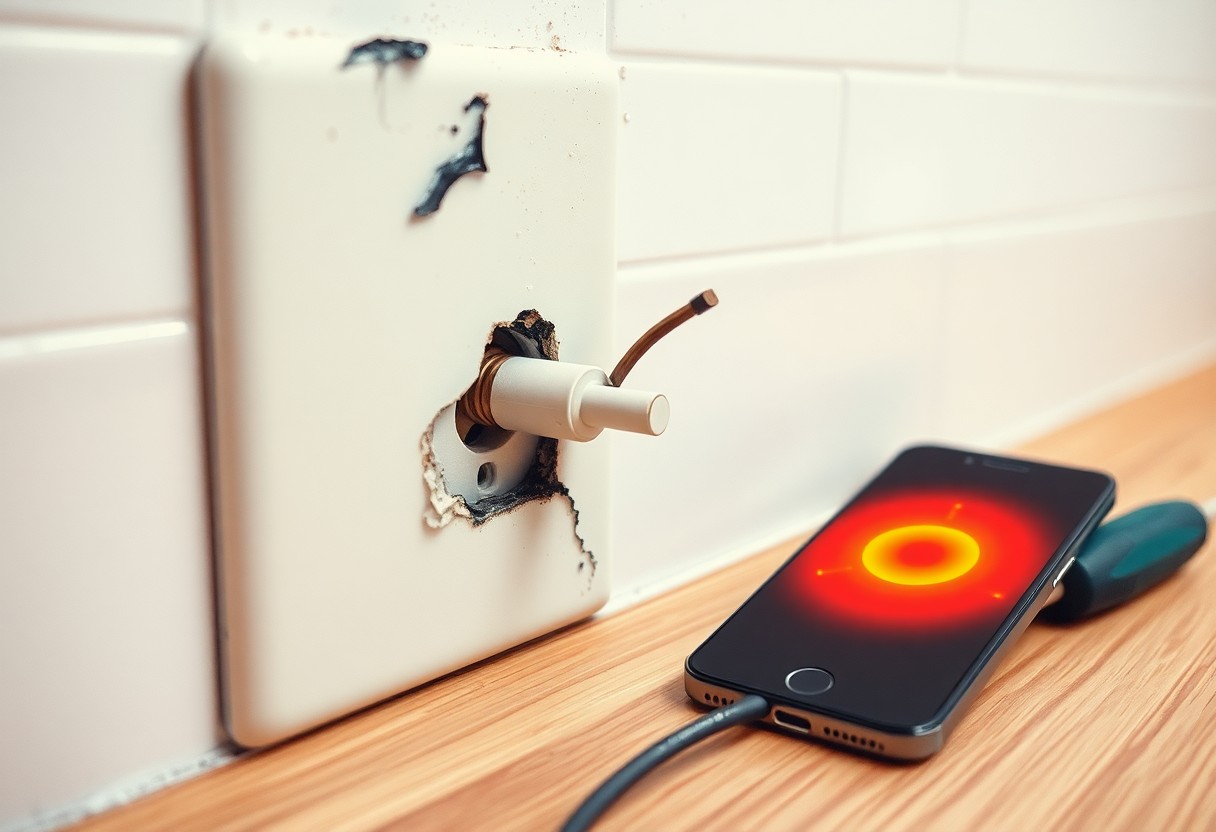
Watch for repeated breaker trips (more than twice weekly), persistent flickering, outlets that are warm to the touch, buzzing or humming sounds, and any sparks or burning odors. Also note scorch marks, melted plastic, or sockets that won’t hold plugs-each indicates increased risk. If you experience tingling from switches or live appliances, treat it as an emergency.
Basic troubleshooting vs. when to stop
You can safely reset a tripped breaker, replace a blown fuse, swap a faulty corded appliance, or press GFCI reset buttons, but stop when problems recur after simple fixes. Never touch exposed wiring, attempt panel repairs without training, or ignore signs of arcing. If you encounter sparks, burning smells, overheating panels, or water-damaged circuitry, shut off the circuit and contact a professional immediately.
For practical steps: use a plug-in appliance to isolate a faulty outlet, note that breakers tripping more than 2-3 times in a week usually mean a circuit fault, and consider a non-contact voltage tester ($10-$30) to verify de-energized outlets before handling. Do not open the main panel unless you’re licensed; instead document occurrences, take photos, and call a licensed electrician when issues persist or when any electrical arcing, smoke, or heat appears.
Hiring a qualified electrician in Davenport
Pick an electrician with local experience-ideally 5+ years working in Davenport-who can handle older knob-and-tube or modern 200-amp upgrades; you want someone who provides a written scope, pulls permits when required, and offers a warranty. Ask for a license number, proof of $1M general liability and worker’s comp, and compare at least three bids so you can spot low-ball offers that often lead to unsafe shortcuts.
Licensing, insurance, and references to check
Confirm the electrician’s state license number and check it on the licensing portal, and insist on seeing current insurance certificates-most pros carry $1M liability and worker’s comp; uninsured workers can leave you financially responsible for injuries or damage. Call 2-3 recent references and ask whether the tech met timelines, cleaned up, and fixed problems without callbacks; note any patterns of late starts or unreturned warranty calls.
Preparing for service, estimates, and timelines
Before the visit, make a concise list of symptoms and label problem circuits, clear access to panels and crawlspaces, and request written estimates with line-item costs for parts and labor; expect an estimate within 48 hours and scheduling within 7-14 days for non-emergencies. For common jobs, anticipate 1-2 hours for outlet/lighting repairs, 1-2 hours for breaker swaps, and 1-3 days for panel upgrades; get a firm completion date and warranty in writing.
When comparing estimates, scrutinize labor rates (hourly vs. flat), parts warranties, permit fees, and allowance for unexpected conditions-hidden issues like corroded neutral connections or ungrounded aluminum wiring can add 10-30% to cost and extend time. Ask for a payment schedule: a reasonable deposit is typically 10-30%, with final payment held until inspection and your sign-off. Document the agreed scope with photos and a signed work order, verify the contractor will pull permits and schedule municipal inspection (inspector turnaround often 3-7 business days), and include a change-order process so you’re not surprised by extra charges.
Summing up
To wrap up, when you delay electrical repairs in Davenport you increase fire and shock risk, risk code violations, and may void insurance or cause costly equipment damage; prompt action protects your property, ensures reliable service, and lets a licensed electrician diagnose hidden faults before they worsen-so schedule repairs promptly to keep your home safe and avoid higher expenses later.