It’s easy to overlook faulty wiring, but you must know damaged outlets, overloaded circuits and loose connections cause sparks, overheating, and fires; routine inspections and prompt repairs keep you safe and reduce risk.
Key Takeaways:
- Faulty wiring causes overheating and arcing that can ignite nearby combustibles.
- Overloaded circuits and improper use of extension cords generate excessive heat and raise ignition risk.
- Aging insulation and worn components expose conductors, causing short circuits and sparks that can start fires.
Identifying Primary Electrical Hazards
Common electrical hazards include exposed wiring, overloaded circuits, and failing insulation; you should watch for sparks, burn marks, buzzing outlets, or warm switches that signal increased fire risk.
Overloaded Circuits and Power Strips
Power strips and overloaded circuits can overheat and cause fires; you should avoid daisy-chaining strips, keep device loads under rated capacity, and unplug any outlet that feels hot or emits a burning smell.
Deteriorated or Outdated Insulation
Frayed, cracked, or brittle insulation exposes conductors and increases the chance of short circuits and arc faults; you should inspect wiring in older areas and schedule replacement for damaged sections.
Inspect insulation for discoloration, stiffness, cracking, fraying, or exposed copper; you should also check junction boxes for melted sheathing, evidence of heat, or improper splices. If you discover exposed conductors, charred insulation, or a persistent burning odor, stop using affected circuits immediately and hire a licensed electrician to replace wiring, install modern insulation and protective devices, and confirm proper grounding to eliminate ongoing fire hazards.
Recognizing Early Warning Signs
Signs to watch include flickering lights, warm outlets, persistent burning smells, and frequent breaker trips; you should treat these as early indicators of electrical failure and potential fire risk.
Frequent Tripping of Circuit Breakers
Repeated tripping of circuit breakers means you are overloading circuits or facing short circuits; you must disconnect appliances and contact a licensed electrician to prevent sparks and a possible fire.
Discolored Outlets and Persistent Burning Odors
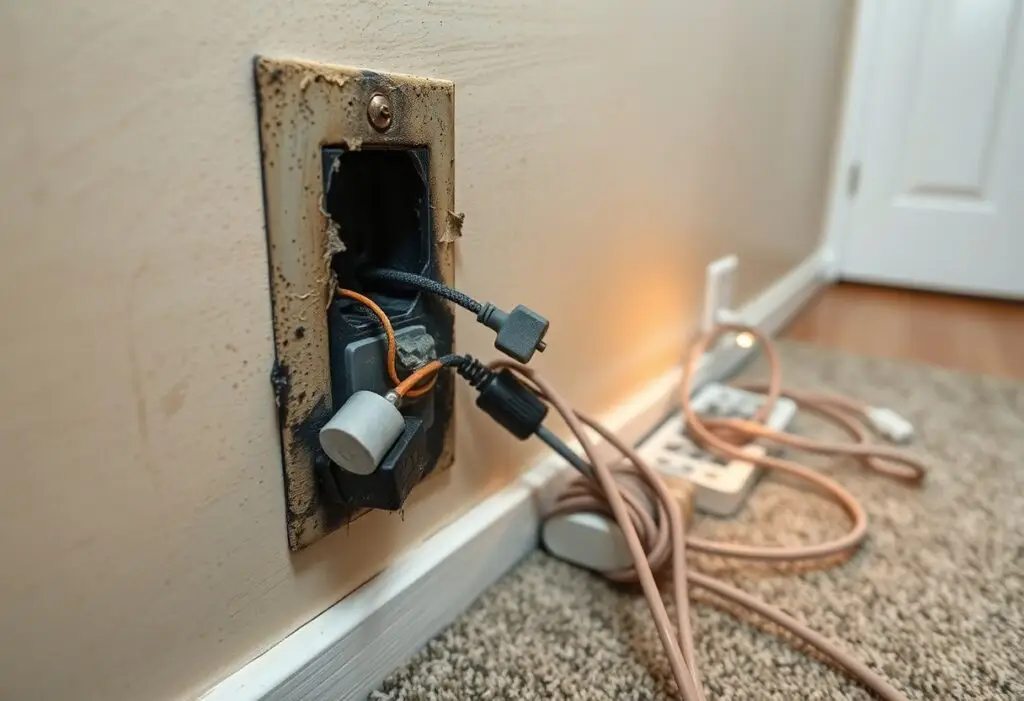
Darkened or melted outlets and a persistent burning odor tell you insulation or wiring is failing; treat this as an immediate hazard and shut off power before calling for help.
If you see browning, charring, or feel heat at an outlet, you may have loose connections or arcing that causes melted insulation; you should shut off power, avoid using the circuit, and arrange a professional inspection to replace damaged receptacles and repair wiring before a fire starts.
The Mechanics of Electrical Ignition
You face increased fire risk when faults produce heat, sparks, or arcs that contact combustible materials, so inspect wiring and protective devices regularly to catch dangerous conditions early.
Arc Faults and High-Temperature Sparking
Sparking from arc faults produces extreme temperatures and molten particles that can ignite nearby materials, so you should treat buzzing outlets or tripping breakers as signs to investigate and install AFCIs. Arc Faults: Quick Reference
| Cause | Effect |
|---|---|
| Arc fault | High-temperature sparks |
| Loose conductor | Resistance heating |
| Overload | Insulation breakdown |
Resistance Heating in Loose Connections
Loose connections raise resistance and create localized hot spots that char insulation and can ignite surrounding materials, so you should tighten and torque terminals to spec and monitor suspect circuits.
If corrosion, vibration, or improper installation loosens a terminal, you will see rising resistance, intermittent power, and often a faint burning odor before failure; use infrared scans, periodic torque checks, and replace damaged connectors to prevent progressive overheating and fire spread.
Risks of Substandard Installations
Poor wiring, loose connections, and ignored code standards expose you to overheating, arcing, and elevated fire risk, often hidden behind walls until it’s too late.
Dangers of Unlicensed DIY Electrical Work
Trying unlicensed DIY often leaves you with improper splices, overloaded circuits, and disabled safety devices, creating immediate shock and fire hazards that insurance may not cover.
Incorrect Component Sizing and Compatibility
Using mismatched breakers, undersized conductors, or incompatible devices forces you into frequent trips, insulation stress, and overheating that can lead to fires.
Mismatched breakers and conductors force you into unsafe conditions: undersized wire overheats, insulation degrades, and protective devices either fail to trip or allow excessive current, creating overheating, insulation failure, and hidden arcing. You should match component ampacity and manufacturer compatibility, and call a licensed electrician for proper load calculations and certified installation.
Critical Preventative Maintenance
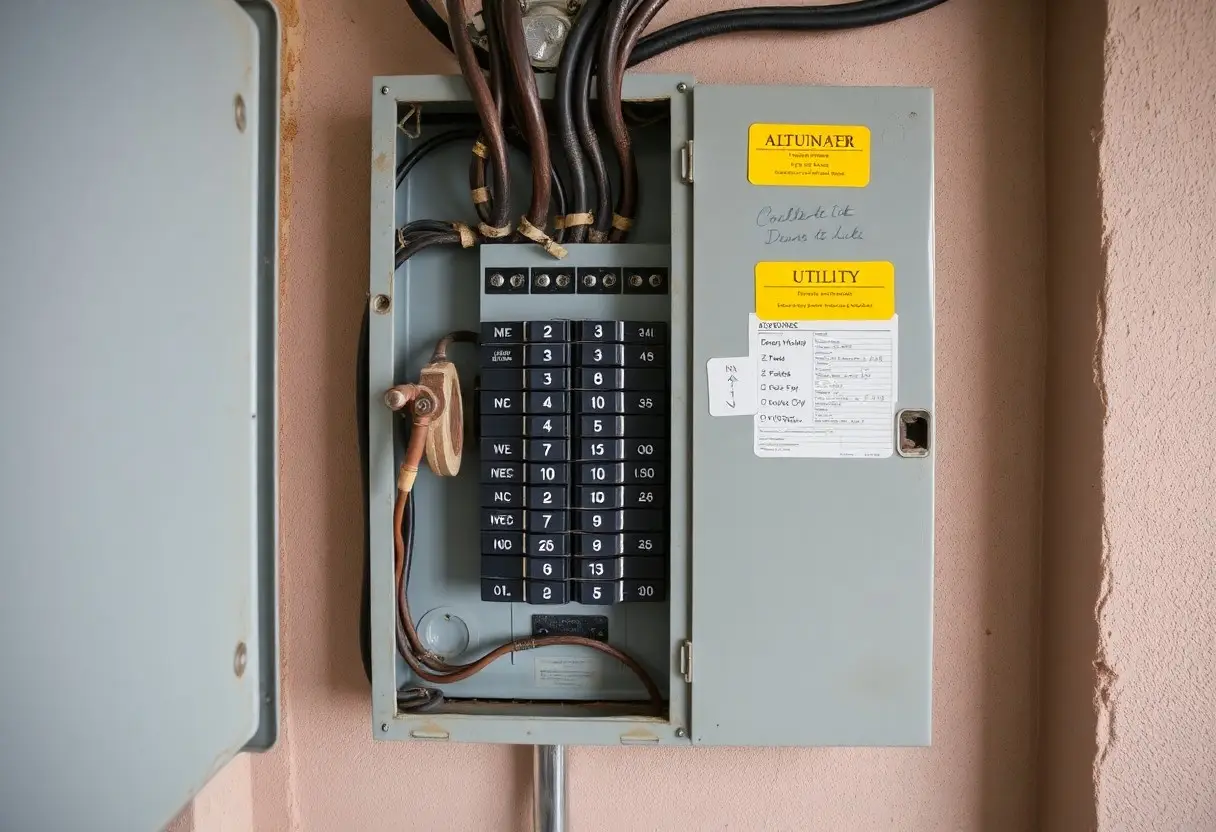
Routine inspections and timely repairs help you catch loose connections and damaged insulation that produce arcing and sparks; prioritize panel checks and replace aging wiring to cut fire risk.
Implementation of AFCI and GFCI Technology
Installing AFCI and GFCI devices gives you protection against arcing and ground faults; AFCIs stop arcing fires while GFCIs prevent lethal shocks, reducing ignition sources.
Scheduling Professional Thermal Inspections
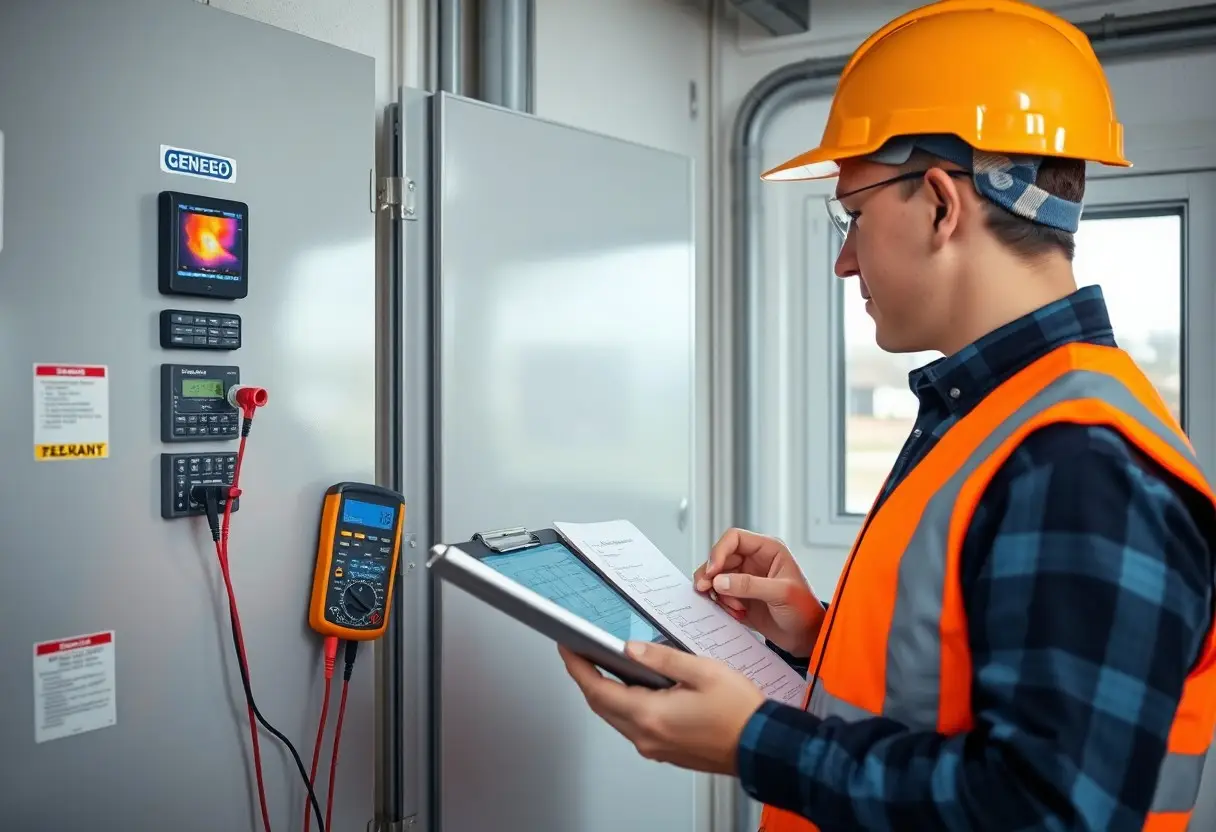
Scheduling infrared scans lets you detect hot spots in panels, breakers, and connections before they fail; arrange scans after renovations and during high-load seasons to find overheating and overloaded circuits.
When you arrange thermal inspections, pick a certified thermographer who follows NFPA and industry protocols. Ask for a written report that pinpoints hot spots, temperature deltas, and recommended fixes. If inspections reveal anomalies, schedule immediate repair, tighten connections, and rebalance loads to reduce fire risk.
Emergency Response and Mitigation
You must act swiftly during electrical fires: cut power if safe, evacuate, and call emergency services. Prioritize shutting off breakers and avoiding contact with live wiring to reduce fire spread and shock risk.
Safe Power Disconnection Protocols
Before touching anything, you should switch off mains at the service panel if trained; use insulated gloves and tools. If unsure, call a qualified electrician and keep everyone clear of energized circuits.
Utilization of Class C Fire Extinguishers
Class C extinguishers are designed for electrical fires; you must use a Class C-rated extinguisher on energized equipment and avoid water-based methods to prevent electrocution.
When using one, you should aim at the base, discharge in short bursts, and maintain a safe distance; ensure equipment is de-energized before long-term overhaul and have trained personnel handle aftermath.
Summing up
From above, you see that frayed wiring, overloaded circuits, and faulty outlets raise temperatures and sparks, increasing fire risk; regular inspections, prompt repairs, and safe appliance use reduce hazards and protect occupants.