Home outages in Illinois can leave you without heat or refrigeration; you should stock water, food, a battery-powered radio, and a CO-safe generator plan to avoid carbon monoxide poisoning and frozen pipes.
Key Takeaways:
- A 72-hour emergency kit with one gallon of water per person per day, nonperishable food, flashlights, spare batteries, portable power banks, a battery-powered NOAA weather radio, important medications, and a filled vehicle gas tank.
- Carbon monoxide and smoke detectors: test regularly and keep fresh batteries; operate generators outdoors and well away from windows and vents, store fuel safely, and have a licensed electrician install a transfer switch for whole-house backup.
- Sensitive electronics: unplug or connect to surge protectors before outages; arrange backup power or alternate shelter for medical devices; trim trees near power lines and learn how to report outages and where local warming/cooling centers are located.
Assessing Regional Illinois Climate Factors
Illinois weather varies by region, so you need to account for ice storms, blizzards, tornadoes and summer storms. The greatest risk areas should guide your emergency kit, heating options, and backup power choices.
- Ice storms
- Blizzards
- Tornadoes
- Summer storms
Preparing for Severe Winter Ice Storms
Winter ice can down lines and leave you without heat for days; you must stock fuel, blankets, and a safe backup heating plan.
Managing Summer Thunderstorm and Tornado Risks
Storms bring lightning, flooding, and tornadoes that can sever service; you should secure outdoor items, know your shelter location, and keep charged devices.
You should monitor NOAA alerts and local warnings, identify an interior storm shelter or basement away from windows, secure loose objects, and keep multiple charged power banks. If using a generator, place it outdoors far from vents to avoid carbon monoxide poisoning and follow safe fueling procedures.
How to Build a Specialized Emergency Supply Kit
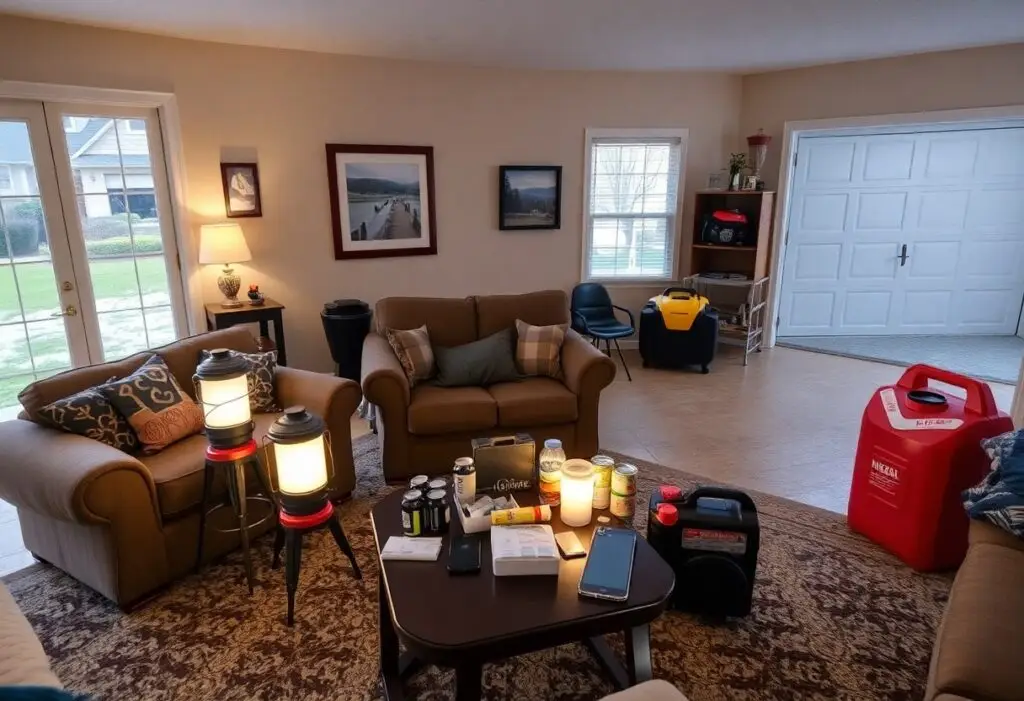
Assembling your emergency supply kit ensures you can stay safe during extended outages; include three days of water per person (one gallon/day), a manual can opener, prescription copies, a battery-powered radio, and a generator safety plan to avoid carbon monoxide hazards.
Stocking Non-Perishable Food and Water Reserves
Store at least one gallon of water per person per day for three days, plus non-perishable meals, baby formula, and pet food; you should rotate supplies every six months and keep a cooler with ice packs to limit food spoilage during outages.
Essential Lighting and Communication Tools
Keep a mix of LED flashlights, headlamps, and extra batteries, plus a crank or solar-powered radio, fully charged power banks, and a list of emergency contacts; you should avoid using indoor gas stoves for light because of fire and CO risks.
Choose long-lasting LEDs and carry spare batteries organized in labeled bags; pack at least two power banks (one stored in a cool, dry spot) and a NOAA weather radio with extra batteries. You should test solar chargers and keep a list of local emergency channels; avoid open flames indoors because of fire and carbon monoxide danger.
Tips for Maintaining Safe Indoor Temperatures
Plan to monitor indoor temperatures, conserve energy, and prioritize vulnerable household members. Recognizing signs of hypothermia or heatstroke lets you act quickly.
- Keep a portable generator manual and place it outdoors to avoid carbon monoxide buildup.
- Stock battery-powered thermometers and extra blankets to manage power outage risks.
- Use battery fans and cool packs for rapid heatstroke mitigation.
Quick Actions
| Action | Why |
|---|---|
| Seal drafts and insulate windows | Reduces heat loss and lowers hypothermia risk |
| Place generator outdoors with clear exhaust | Prevents carbon monoxide poisoning |
| Open shaded windows at night | Helps cool indoor spaces during summer outages |
Retaining Heat During Extreme Winter Cold Snaps
Seal gaps, cover windows with heavy drapes, and layer clothing so you preserve heat and reduce the chance of hypothermia.
Staying Cool During Summer Grid Failures
Close blinds and block direct sun, run fans on battery power, and move at-risk people to the coolest room to lower heatstroke danger.
Use local cooling centers if available, hydrate everyone regularly, avoid using gas stoves for cooling, and keep portable generator exhaust clear to prevent carbon monoxide exposure while you manage home temperatures.
How to Select and Operate Backup Power Sources
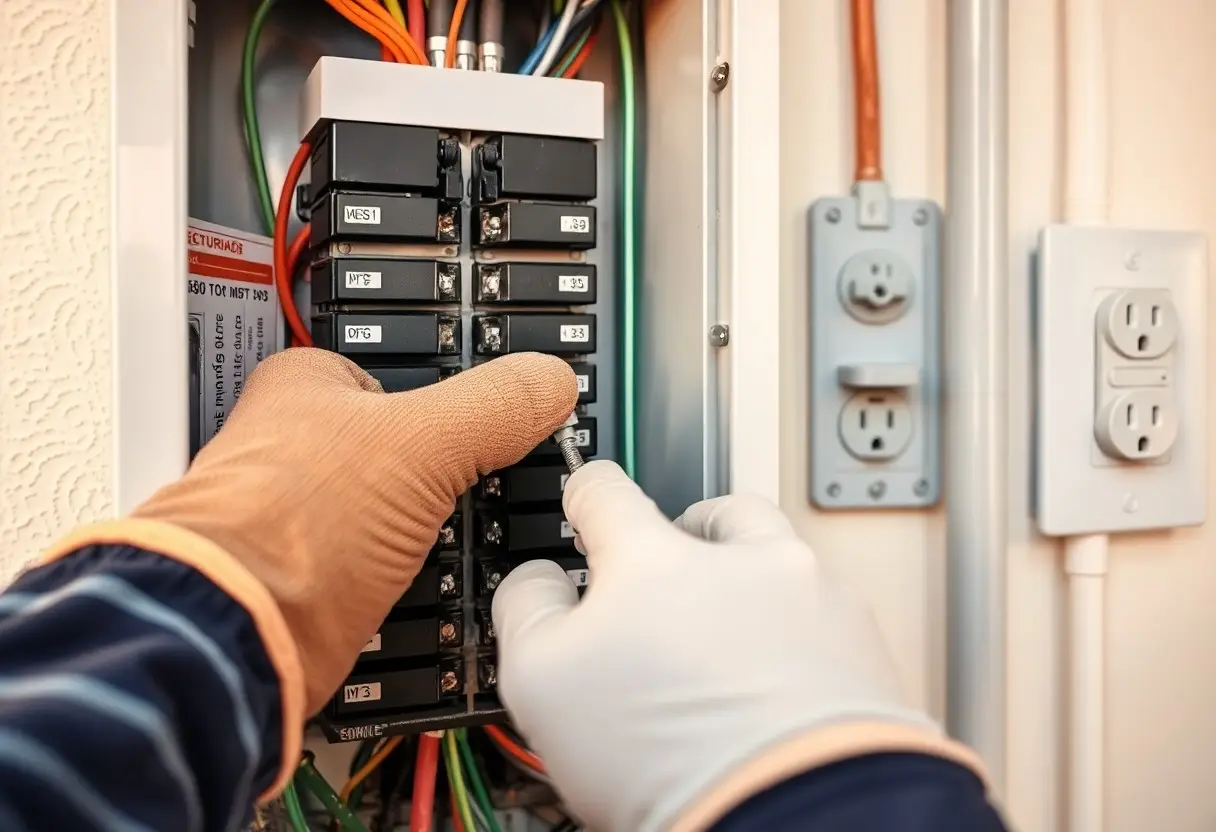
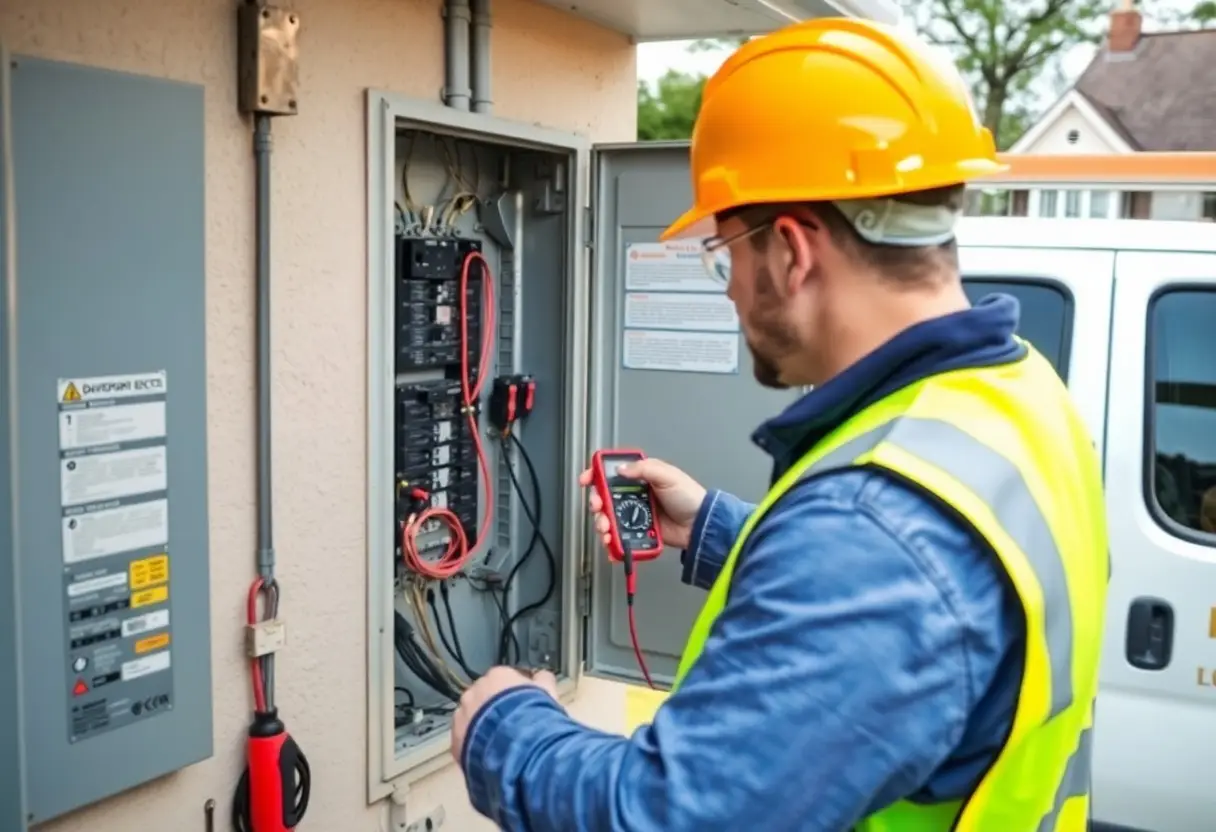
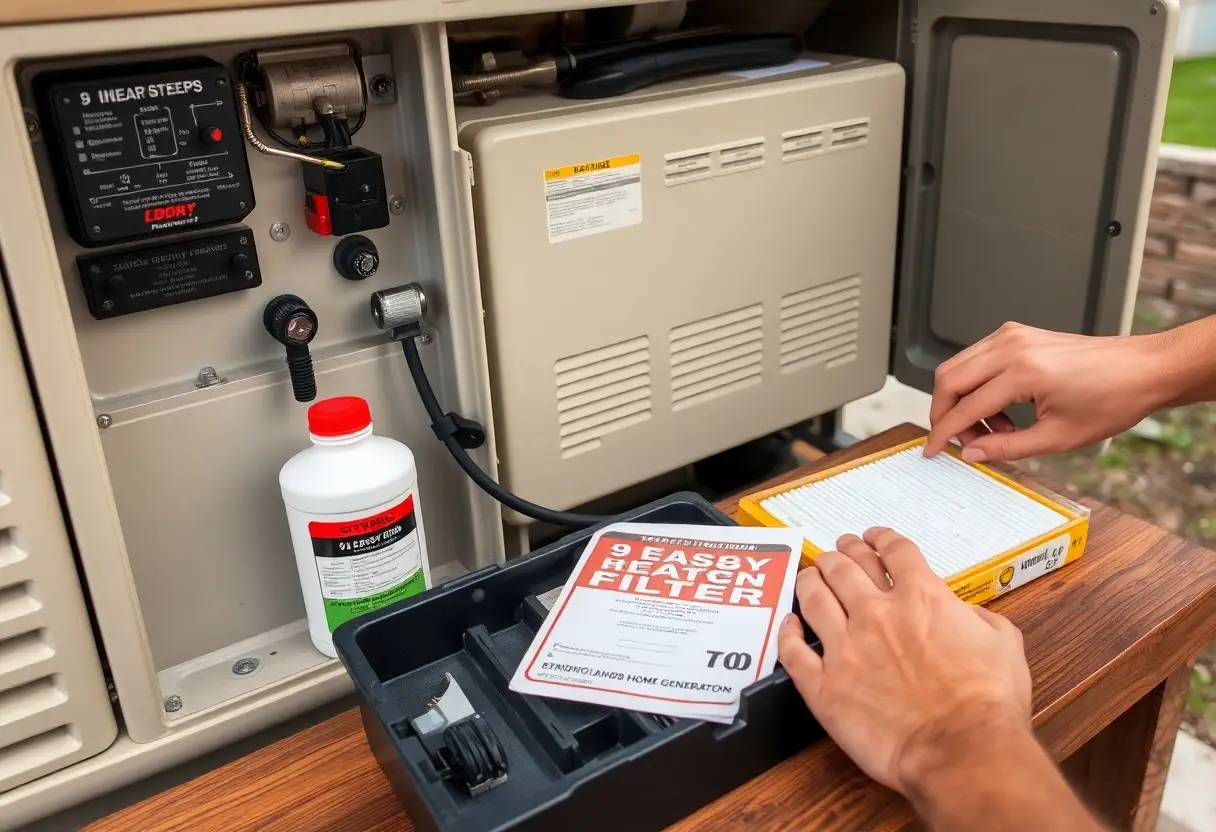
You should match backup capacity to crucials, prioritize medical devices, fridge, and heat, and plan safe operation; pick a unit with the correct wattage, include a transfer switch, and hire a licensed electrician for standby generators to ensure automatic switching and safe wiring.
Choosing Between Portable and Standby Generators
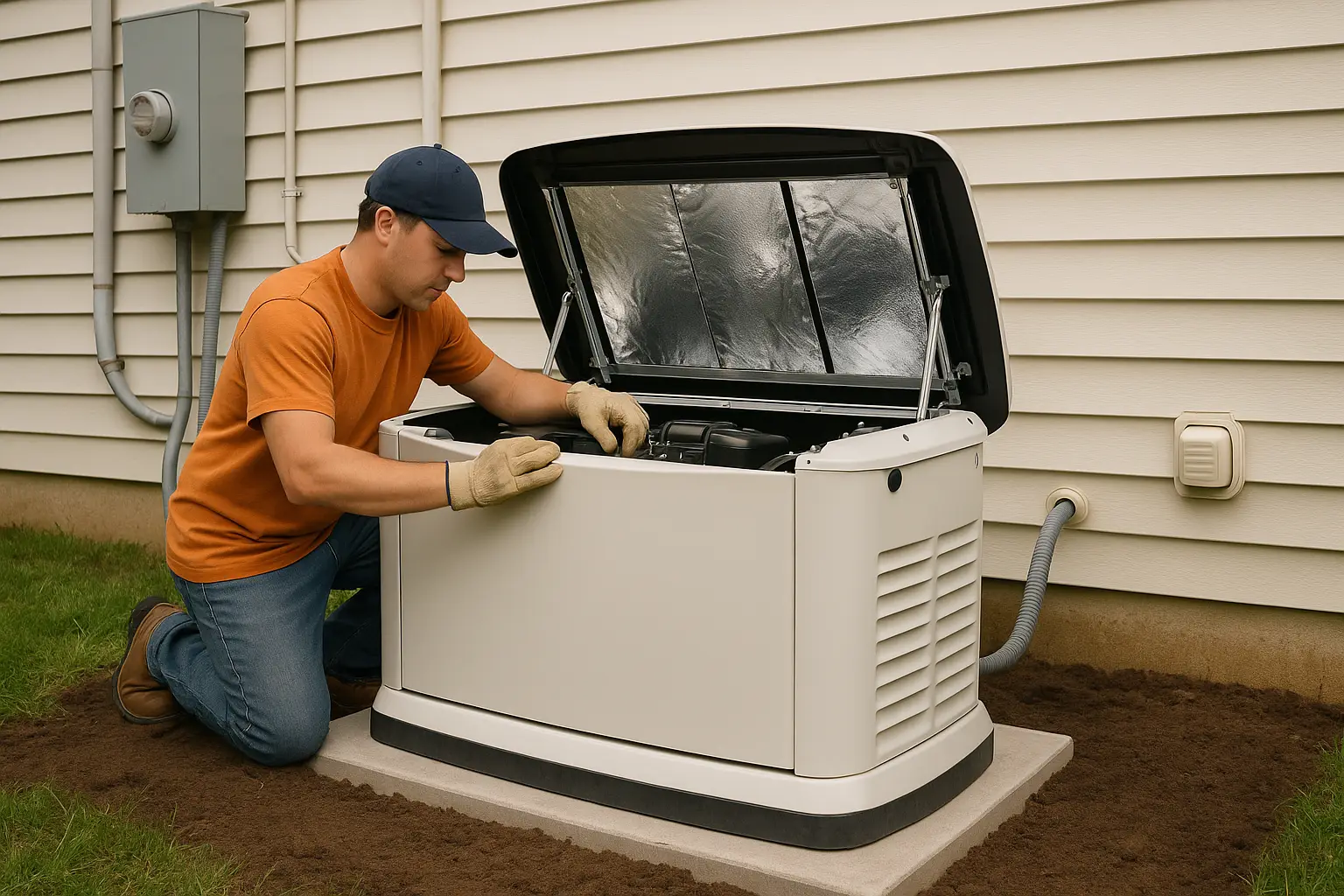
Compare portable units for short-term needs and outdoor use with manual hookup, and standby generators for whole-house coverage with automatic transfer; you must weigh cost, run time, and professional installation requirements.
Safe Fuel Storage and Ventilation Practices
Store fuel in approved containers, outside in a cool ventilated area, never inside and keep away from ignition sources; always run generators outdoors and away from windows to avoid carbon monoxide.
Keep all fuel in approved containers, clearly labeled and stored in a locked, ventilated shed at least 20 feet from your house and ignition sources. Use fuel stabilizer for gasoline and rotate stock every three to six months. Shut the generator down and let it cool before refueling, and keep a fire extinguisher within reach.
Critical Factors for Food and Water Safety
- food safety
- water supply
- shelf life
Check your perishable food and stored water: move items to ice-filled coolers and keep tap water covered to avoid contamination. Assume that food held above 40°F for more than two hours is unsafe.
Maintaining Refrigerator and Freezer Temperatures
Monitor fridge temperature and keep the freezer closed to retain cold; you should keep the refrigerator at 40°F or below and the freezer at 0°F.
| Temperature Guidelines | |
|---|---|
| Refrigerator | 40°F or below |
| Freezer | 0°F or below |
Managing Sump Pumps and Private Well Systems
Inspect your sump pump and well system for debris and test floats; you should have a generator or battery backup and stored replacement parts to reduce flooding and contamination risks.
Prepare for extended outages by placing your pump controller and electrical connections above potential flood levels and by testing a portable generator with a proper transfer switch; keep fuel stored safely. If floodwater contacts the wellhead or water tastes odd, shock the well with bleach and have your water tested for bacteria before drinking; hire a licensed technician for major repairs.
Communication Tips for Staying Informed
Use multiple channels to stay informed during an outage: sign up for county and utility alerts, follow local emergency accounts, and keep a charged phone plus a battery-powered radio. This keeps you alerted to downed power lines and safety instructions.
- Sign up for county and utility alerts
- Follow your utility on social media
- Keep a charged power bank
- Have a battery-powered radio ready
Utilizing Local Utility Alert Systems
Register with your utility and county alert systems, enable texts and push notifications, and set contact preferences so you receive outage times and restoration updates. Utility alerts may warn about downed power lines and safety steps.
Monitoring NOAA Weather Radio Channels
Tune a NOAA Weather Radio or the official app to receive continuous updates, especially for severe weather and tornado warnings that may affect power and safety.
NOAA Weather Radio stations broadcast 24/7 from the National Weather Service; you can program a receiver to your county frequency or use the NWS app for alerts. When a tornado warning or severe thunderstorm is issued, the radio sounds an alert tone even if your phone is dead, so you receive immediate safety instructions. Keep spare batteries, test the unit monthly, and learn the alert tones that indicate life-threatening hazards.
Summing up
The most practical actions put you ahead: stock potable water and nonperishable food, maintain a generator and fuel safely, insulate pipes, keep charged power banks and flashlights, and establish a clear family communication and medical plan so you can handle Illinois power outages confidently.